


In this guide14 sections
- The Two Main Types of Breast Implant
- Symptoms and Signs of a Ruptured Breast Implant
- Common Myths About Breast Implant Rupture
- What Causes a Breast Implant to Rupture?
- Is Breast Implant Rupture Common?
- How Is a Suspected Rupture Diagnosed?
- Can a Ruptured Breast Implant Kill You?
- Is It Dangerous to Have a Ruptured Breast Implant?
- How Is Breast Implant Rupture Treated?
- Recovery After Implant Removal or Replacement
- Potential Complications of Implant Rupture
- Choosing a Surgeon for Breast Implant Removal or Replacement
- Frequently Asked Questions
- Breast Implant Revision Surgery at Centre for Surgery
If you’re considering, or have already had, breast implants, it’s natural to wonder what happens if a breast implant ruptures — how you’d know, whether it’s dangerous, and what treatment involves. Breast implant rupture is a recognised but relatively uncommon complication of breast augmentation, and understanding the signs to look for means you can seek prompt assessment if something changes. Anxiety around this topic is understandable — implants are inside your body, and the idea of something going wrong without you noticing can feel unsettling. This guide covers everything: the two main implant types and how their rupture symptoms differ, what causes rupture, whether it can genuinely be dangerous, how it’s diagnosed, your treatment options, and what to expect if you need surgery.
The Two Main Types of Breast Implant
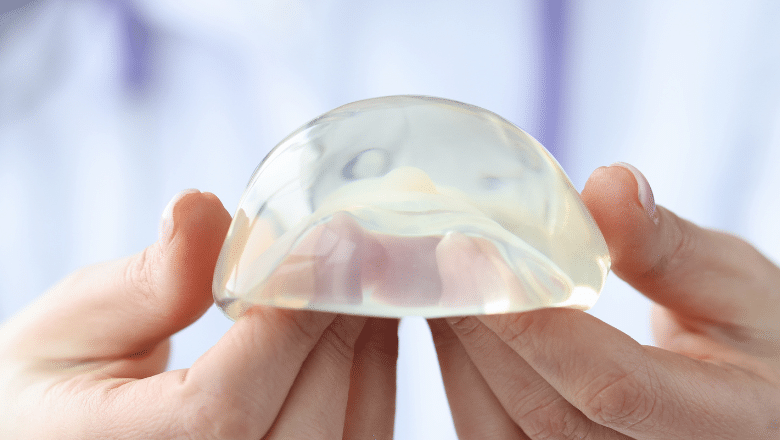
Breast implants are medical devices used to increase breast size or fullness, and rupture symptoms depend heavily on which type you have:
- Silicone implants are filled with a soft, cohesive silicone gel and tend to feel and move more naturally against the body.
- Saline implants are filled with sterile salt water — if these rupture, the saline solution is safely absorbed by the body.
Breast implants aren’t designed to last a lifetime, and will typically need replacing or removing every 10 to 15 years, depending on the manufacturer and individual factors. Rupture risk depends on several factors, including implant type, age, the surgical technique used, and lifestyle.
Symptoms and Signs of a Ruptured Breast Implant
Although most breast implant ruptures don’t lead to noticeable symptoms straight away, it’s worth knowing the signs so you can seek a prompt assessment from your surgeon.
Saline Breast Implant Rupture
A ruptured saline implant is usually easy to spot, because the body absorbs the leaking saline solution and the breast visibly deflates — leading to a sudden or gradual change in the shape and size of the affected breast. Common signs include:
- A sudden or gradual reduction in breast size
- An unusual or abnormal breast shape
- Visible wrinkling or rippling of the skin as the saline leaks out
- Pain or discomfort in the affected breast
- Hardening of the breast tissue
This can happen quite quickly, or unfold gradually over several days as the saline is reabsorbed. The implant shell itself remains in the breast until it’s surgically removed.
Silicone Breast Implant Rupture

A ruptured silicone implant behaves very differently. The gel is thick and cohesive, so it doesn’t deflate the way saline does, and ruptures often produce no obvious change in the breast’s appearance at all — this is commonly called a silent rupture. In many cases, silicone implant rupture can only be confirmed with a breast MRI or ultrasound scan. That said, in some instances a ruptured silicone implant may cause:
- Pain or discomfort in the breast
- A palpable lump or area of thickening
- Changes in breast contour or shape
- Breast tissue that feels harder or firmer than usual
- The breast appearing uneven or different in size compared to the other side
If you suspect a rupture in either type of implant, contact your plastic surgeon promptly for a thorough evaluation — don’t wait for symptoms to worsen.
Common Myths About Breast Implant Rupture
There’s a lot of anxiety-driven misinformation circulating about implant rupture. A few of the most common myths, and the facts:
“A ruptured implant will always be obvious.” Myth — this is only reliably true for saline implants. Silicone rupture is frequently “silent,” with no visible or physical change at all, which is exactly why imaging matters.
“Rupture means the silicone will spread throughout my body.” Myth. Modern cohesive silicone gel is thick and generally stays contained within the implant capsule even after rupture, rather than freely migrating through the body.
“A ruptured implant is a medical emergency.” Generally myth. Most ruptures — saline or silicone — aren’t emergencies, though they do warrant a prompt, unhurried assessment rather than being ignored indefinitely.
“Rupture is common with modern implants.” Myth. Rupture rates have fallen substantially as implant shell technology has improved, and rupture remains relatively uncommon, particularly in the years shortly after surgery.
What Causes a Breast Implant to Rupture?

Whether filled with silicone or saline, every breast implant has an outer silicone shell that can occasionally tear or become punctured. Several factors can contribute, regardless of filling type:
Natural ageing of the implant
Implants aren’t designed to last a lifetime — the shell gradually weakens over time, increasing rupture likelihood as the implant ages.
Mechanical pressure
Very rarely, pressure on the chest from a mammogram or ultrasound probe can contribute to a tear.
Surgical damage
One of the most common causes — if a sharp surgical instrument accidentally contacts the implant during augmentation, revision, or reconstruction, it can create a small cut in the shell that may eventually lead to rupture.
Chest trauma
A forceful impact to the chest, such as from a car accident or significant fall, can cause an implant to rupture.
Shell weakening
If silicone gradually leaks from the filling into the shell material itself, the shell can weaken over time and become more prone to rupturing.
Needle insertion during biopsy
Breast biopsies are generally safe for women with implants, but should always be performed by an experienced professional to avoid inadvertently puncturing the implant.
Is Breast Implant Rupture Common?
Breast implant rupture is relatively uncommon, particularly in the first several years after surgery, and risk increases only gradually as implants age. Implant design has improved substantially over recent decades — modern multi-layered shells are considerably more resistant to rupture than earlier generations of implants. That said, rupture rates do vary depending on several factors, including the implant manufacturer and generation, the implant shape, its age, the type of filling, and whether the surgery was a primary augmentation, revision, or reconstruction. Even accounting for these variables, rupture at any given point in an implant’s lifespan remains relatively rare — though revision surgery is still generally recommended after around 10–15 years to refresh the breasts and check implant condition, even where implants remain intact.
At Centre for Surgery, we use Silimed silicone implants exclusively, following a clinical review of surface technology and safety evidence. Every implant we use is CE-marked, MHRA-approved, and covered by a Silimed replacement guarantee.
How Is a Suspected Rupture Diagnosed?

If you believe your implant may have ruptured, here’s what to expect:
- Contact your plastic surgeon — they’re best placed to assess you and determine the appropriate next steps.
- Keep a record of your symptoms — note any changes in shape or size, pain, discomfort, or hardening, and bring these details to your appointment.
- Undergo a clinical examination — your surgeon will physically assess the breast for signs consistent with rupture.
- Get an imaging test — an ultrasound or MRI can confirm whether rupture has occurred, and how extensive it is. MRI is generally considered the most sensitive test for detecting silicone silent rupture, though ultrasound is often used first, being quicker and more widely available.
- Follow your surgeon’s recommendations — based on your examination and scan results, they’ll advise on the most appropriate treatment.
- Schedule regular follow-up appointments going forward, so any future changes are identified early.
Can a Ruptured Breast Implant Kill You?
This is a question we’re asked surprisingly often, and the reassuring answer is no — a ruptured breast implant, whether saline or silicone, is not considered life-threatening. Saline is simply absorbed harmlessly by the body. Silicone gel, even when it leaks, generally stays contained within the surrounding scar tissue capsule rather than travelling to vital organs or entering the bloodstream in any dangerous quantity. There’s no reliable evidence linking implant rupture to death, and it isn’t classified as a medical emergency in the way a genuine internal haemorrhage or organ injury would be.
That said, “not life-threatening” doesn’t mean “ignore it” — untreated rupture can lead to complications like capsular contracture, ongoing discomfort, or changes in breast appearance over time, and prompt assessment is still the right course of action once you suspect something has changed.
Is It Dangerous to Have a Ruptured Breast Implant?
Whether a ruptured implant is dangerous depends on the implant type, how extensively it’s ruptured, and your overall health.
If a saline implant ruptures, the saltwater solution is safely absorbed by the body without causing harm, though the rupture itself can still cause pain, swelling, and a visible change in breast shape — and the implant shell will need to be surgically removed or replaced.
If a silicone implant ruptures, the thick gel can leak into the surrounding tissue, and in some cases this is associated with capsular contracture — a hardening and tightening of the scar tissue surrounding the implant, which can cause pain and distort breast shape. According to current research, a ruptured breast implant does not increase the risk of breast cancer, and does not cause connective tissue or autoimmune diseases such as rheumatoid disease. In most cases, implant ruptures don’t pose a serious health risk, and many go entirely undetected until a routine check.
How Is Breast Implant Rupture Treated?

While a ruptured breast implant generally doesn’t pose a significant health risk, surgical intervention is usually recommended to remove the damaged implant. Your surgeon will typically access the implant via the original scar site, removing it — and, if a silicone implant has ruptured, performing a capsulectomy to ensure any leaked silicone is safely removed.
Removal only
The ruptured implant is taken out without a replacement, appropriate for women who no longer want implants or have experienced previous complications.
Removal and replacement
The damaged implant is removed and replaced with a new one, often during the same procedure. Since breast tissue and skin may have stretched around the original implant, some women choose to combine this with a breast lift to restore firmer positioning at the same time.
Monitoring (silent rupture only)
Where a ruptured silicone implant isn’t causing discomfort, symptoms, or visible change, it may be appropriate to monitor it rather than operate immediately — a silent rupture doesn’t alter breast shape or pose an urgent health risk on its own. This decision should always be made in discussion with your surgeon, factoring in your specific scan findings and overall health.
Surgery is typically performed as a day case, using a small incision for minor ruptures or a larger incision where more extensive repair is needed.
Recovery After Implant Removal or Replacement
Following surgery, incisions are dressed with waterproof dressings, and you’ll need to wear a support bra or compression garment throughout your recovery period to reduce swelling and support healing. Most women take a week or so off work, depending on the nature of their role and how extensive the surgery was, and should avoid heavy lifting or strenuous exercise for around four to six weeks. Swelling and bruising typically settle over two to four weeks, though the final result can take a few months to fully appear, particularly if a breast lift was performed at the same time. Your surgeon will schedule follow-up appointments to check your healing and confirm you’re recovering as expected.
Results depend on the size of implant removed and the quality and quantity of remaining breast tissue — occasionally, some additional scar tissue also needs to be addressed during the same procedure.
Potential Complications of Implant Rupture
Extensive research has been conducted on the possible complications following breast implant rupture. According to current evidence, a ruptured implant:
- Does not increase the risk of breast cancer
- Does not cause connective tissue or autoimmune diseases, such as rheumatoid disease
In most cases, rupture doesn’t cause any serious health complications, and many go undetected without ever causing symptoms. The most recognised complication associated with rupture is capsular contracture — a tightening and hardening of the tissue surrounding the implant.
Choosing a Surgeon for Breast Implant Removal or Replacement
Choosing the right surgeon for breast implant removal, replacement, or revision genuinely affects your outcome and overall experience. A few things worth doing:
- Do your research — learn about the different techniques for removal and replacement. Professional bodies including BAPRAS (British Association of Plastic, Reconstructive and Aesthetic Surgeons) and BAAPS (British Association of Aesthetic Plastic Surgeons) are useful, reliable resources.
- Look for genuine experience — choose a surgeon experienced specifically in implant removal and revision, not just augmentation. Membership of BAPRAS or BAAPS reflects proper training and ongoing engagement with current techniques.
- Check credentials — review your surgeon’s medical background, training, and specific experience with implant-related procedures. All UK consultant plastic surgeons should be on the GMC Specialist Register.
- Ask for recommendations — friends, family, or your GP may be able to point you towards qualified surgeons, or your current surgeon may be able to refer you if needed.
- Book a consultation — meet potential surgeons in person to discuss the procedure, risks, benefits, and their specific experience with cases like yours.
- Review before-and-after photographs — many surgeons can show you results from previous patients with similar starting points to your own.
- Trust your instincts — choose a surgeon who listens carefully, answers your questions fully, and makes you feel genuinely confident in their care.
Frequently Asked Questions
What are the visible changes in appearance with a ruptured implant?
This depends on implant type. A ruptured saline implant typically causes noticeable deflation, changing the size and shape of the breast fairly quickly. A ruptured silicone implant, due to the cohesive nature of the gel, often causes no visible change at all — though in some cases it may result in breast deformity, swelling, or pain.
Is it necessary to remove a ruptured implant?
Generally, yes — though in some cases, particularly with a silent silicone rupture causing no pain, discomfort, or visible change, removal may be delayed rather than urgent. This is a decision to make with your surgeon based on your specific scan findings.
How long can a ruptured implant be left in place?
This depends on the individual and implant type. A silent silicone rupture causing no symptoms may sometimes be left in place for a period without immediate harm, though ongoing monitoring is important. Your surgeon can advise on the most appropriate timeline for your situation.
Can a ruptured implant cause illness?
A ruptured implant doesn’t typically cause illness or serious health complications, though it can lead to capsular contracture, pain, and visible changes in breast appearance. Monitor any changes closely and consult your surgeon if you suspect a rupture.
Is a leaking breast implant an emergency?
Generally, no — a leaking implant isn’t usually a medical emergency. However, if you experience severe pain, significant swelling, or a dramatic change in breast appearance, contact your surgeon promptly for evaluation and guidance.
Will the NHS remove my ruptured implant?
The NHS may remove a ruptured implant in specific circumstances, such as where it’s causing significant pain, infection, or other health complications — though NHS funding for cosmetic implant replacement is limited, and eligibility varies by region. It’s best to discuss your specific situation with your GP or healthcare provider to understand the options and any associated costs.
How does an MRI compare to ultrasound for detecting silicone rupture?
MRI is generally considered the more sensitive imaging method for detecting silicone silent rupture, since it can pick up subtle changes that ultrasound might miss. Ultrasound is quicker, more widely available, and often used as a first-line investigation, with MRI reserved for cases where ultrasound findings are unclear or inconclusive.
Can I still breastfeed if I’ve had a ruptured implant removed?
Implant removal itself doesn’t typically prevent future breastfeeding, since the milk ducts and glandular tissue are generally unaffected by the implant or its removal. That said, individual anatomy and surgical history vary, so it’s worth discussing your specific situation with your surgeon if this is a priority for you.
Breast Implant Revision Surgery at Centre for Surgery
At Centre for Surgery, breast implant removal and replacement is performed by GMC-registered plastic surgeons, at our CQC-regulated Baker Street facility, under TIVA (Total Intravenous Anaesthesia). Our surgeons have extensive combined experience across all types of breast revision surgery, supported by a thorough face-to-face pre-operative assessment to ensure you’re in the best possible condition for your procedure.
If you suspect your breast implant has ruptured, or would like to discuss revision surgery, call 020 7993 4849 to speak with one of our patient coordinators, or complete the contact form below to book a consultation.

Related Articles
- Breast Implant Checks: How Often, Which Scan and When to See a Surgeon
- Breast Implant Replacement and Revision
- Breast Implant Safety: Capsular Contracture, Rupture and BIA-ALCL Explained
- Breast Reduction Surgery Before & After Photos