

In this guide22 sections
- Key Points
- What Causes a Rash Under the Breast?
- What Is Intertrigo Under the Breast?
- Sweat Rash Under the Breast
- Heat Rash Under the Breast
- Yeast Infection Under the Breast
- Rash Between the Breasts
- Why Do I Keep Getting a Rash Under My Breasts?
- Rash Under Breast Pictures: What Does It Look Like?
- Spots, Boils and Lumps Under the Breast
- Other Causes of a Rash Under the Breast
- Breast Cancer Rash: Could a Rash Under the Breast Be Cancer?
- Rash Under Breast Treatment
- How to Stop Sweating Under Your Breasts
- Sweat Rash Under Breast: NHS Advice and When to See a GP
- Can Breast Reduction Stop a Rash Under the Breast?
- Rash Under the Breast After Breast Surgery
- Rash Under the Breast in Pregnancy
- Rash Under the Breast in Men
- Frequently Asked Questions About Rash Under the Breast
- Breast Reduction at Centre for Surgery
- References
Key Points
- Most rashes under the breast are intertrigo, also called sweat rash or under-breast soreness. It is inflammation caused by skin rubbing on skin in a warm, damp fold. It is common, it is not contagious, and it is not caused by poor hygiene.
- A yeast infection often follows. Candida thrives in the fold beneath the breast. A bright red rash with small separate spots at its edge is the classic sign.
- Pharmacy antifungal creams work for most people. In a review of clinical trials, clotrimazole, miconazole and nystatin cleared skin candida in 73% to 100% of patients, and a single antifungal worked as well as combination creams.
- Keeping the fold dry matters as much as the cream. Washing gently, drying thoroughly, wearing a well-fitting cotton bra and changing it after sweating help the skin heal and stop the rash returning.
- See a GP if it has not improved after one to two weeks, keeps coming back, spreads, weeps, smells or you feel unwell. See a GP promptly if the skin of the breast itself becomes red, swollen or thickened, as this is not a fold rash.
- A breast reduction can end a recurring rash caused by large, heavy breasts. In a long-term study of women who had a breast reduction when young, 88.6% still had no rash under the breast an average of 15 years later.
A rash under the breast is one of the most common skin complaints women bring to a GP or pharmacist, and one of the least talked about. The skin rash usually appears in the crease where the breast meets the chest wall, the inframammary fold, and it may be red, itchy, sore or smelly. It tends to flare in hot weather, after exercise and in anyone whose breasts rest against the skin beneath them. For some women it is an occasional summer nuisance. For others, particularly those with large, heavy breasts, it comes back again and again despite every cream on the pharmacy shelf.
This guide explains what causes a rash under the breast, how to tell sweat rash, heat rash and a yeast infection apart, which creams work, how to stop sweating under your breasts and when to see a doctor. It also covers spots, boils and other causes worth knowing about, and the rare occasions when redness of the breast is a sign of something more serious. If a recurring rash is part of a wider problem with breast size, our guides to how to reduce breast size and breast reduction surgery explain the longer-term options, and our guide to skin irritation after weight loss covers rashes in other skin folds.
What Causes a Rash Under the Breast?
The most common cause is intertrigo, an inflammatory rash that develops wherever two areas of skin press and rub together. A review of the evidence on intertrigo in adults describes it as inflammation driven by skin-on-skin friction in a fold where poor air circulation traps moisture (Journal of Wound Care, 2023). The fold beneath the breast is a textbook example: it is warm, sweat cannot evaporate from it, and the skin on either side rubs together every time you move.
Over time, sweat trapped under the breast softens the outer layer of skin and friction breaks it down. The damaged skin becomes red, sore and itchy, and it is then easily colonised by yeasts and bacteria that live harmlessly on healthy skin. That is why a simple sweat rash so often turns into a yeast infection if it is left untreated.

Less often, a rash under the breast is caused by heat rash, erythrasma, inverse psoriasis, eczema, a reaction to something touching the skin, or hidradenitis suppurativa. Each is covered below.
What Is Intertrigo Under the Breast?
Intertrigo is the medical name for inflammation in a skin fold. Under the breast it is often called sweat rash, and many NHS patient leaflets call it under-breast soreness. It can also affect the armpits, groin, the skin under a tummy fold and between the toes, which is why some people have a rash under the armpit and breast at the same time.
Intertrigo under the breasts starts as mild redness on both sides of the crease and can progress to raw, cracked or weeping skin. On its own it is not an infection, but it often becomes infected with yeast or, less commonly, bacteria. It is not contagious and it is not caused by poor hygiene. It is a mechanical problem: heat plus moisture plus friction. That is also why treatment works best when it tackles the conditions in the fold as well as the rash itself.
Sweat Rash Under the Breast
Sweat rash under the breast looks like a patch of red, raw or shiny skin in the crease, usually on both sides of the fold where the skin touches, like a mirror image. It can sting or burn, particularly when you sweat, and the skin may crack or weep. UK searches for sweat rash under the breast more than double in July compared with the winter months, which says a lot about when it strikes.
A sweat rash under the breast usually settles within a few days once the fold is kept clean and dry. If it does not, or it starts to spread with small spots at its edge, it has probably become a yeast infection and needs an antifungal cream (see rash under breast treatment below).
Heat Rash Under the Breast
Heat rash, or prickly heat, is a different condition from sweat rash, although the two are often confused. It happens when sweat glands become blocked and sweat is trapped beneath the skin. The NHS describes it as small raised spots with an itchy, prickly feeling and mild swelling; the rash looks red on white skin but may look grey or white, and be harder to see, on brown or black skin (NHS). It cannot be passed on to other people.
Heat rash can appear under the breast, on the breast itself and between the breasts, and it often spreads beyond the fold onto the chest. It usually settles on its own within a few days once you cool down, whereas intertrigo tends to persist until the fold is kept dry and any infection is treated. Loose cotton clothing, cool showers and avoiding heavy creams on the area help; a pharmacist can suggest something to calm the itch.
Yeast Infection Under the Breast
A yeast infection under the breast, also called a fungal infection or yeast rash under the breast, is caused by Candida, most often Candida albicans, the same yeast behind oral and vaginal thrush. It is the most common infection to complicate intertrigo, because yeast thrives in exactly the warm, damp conditions the fold provides. A review of recurrent candidal intertrigo identified obesity, diabetes and conditions or medicines that suppress the immune system as the main factors that make it both more likely and more likely to come back (Clinical, Cosmetic and Investigational Dermatology, 2018).
The signs that a rash has become a yeast infection are:
- A bright or deep red rash with a well-defined edge
- Small separate red spots or pustules just beyond the main rash, known as satellite spots
- Intense itching or burning
- Moist, white or creamy material in the fold
- A rash that has spread despite keeping the area clean
A recent course of antibiotics or steroid tablets, poorly controlled blood sugar and hot, humid weather all make a yeast infection more likely. Bacterial infection can also complicate intertrigo, and it is more likely to produce an unpleasant smell or yellow crusting.
Rash Between the Breasts
A rash between the breasts follows the same rules as a rash underneath them. Sweat collects on the breastbone, particularly under a sports bra or a bra with a central gore that sits flat against the skin, and where the breasts touch each other the skin rubs. Sweat rash and heat rash between the breasts are both common in summer and after exercise. A rash that affects only the skin between the breasts, with red, slightly greasy, flaky patches, may be seborrhoeic dermatitis, which is covered below.
Why Do I Keep Getting a Rash Under My Breasts?
The usual reason is that the conditions in the fold have not changed: the breast still rests on the skin beneath it, sweat is still trapped and the skin still rubs. NHS patient information notes that under-breast soreness most often affects women who are larger-breasted or very sporty (Gloucestershire Hospitals NHS Foundation Trust). The main risk factors are:
- Large or heavy breasts, which sit on the chest wall and keep the fold closed. This is the single biggest factor, and it is why the rash so often comes with back, neck and shoulder pain and bra strap grooves.
- Sagging breasts, whether from ageing, pregnancy or weight loss, which fold down over the skin beneath. Our guides to breast changes with age and sagging breasts after weight loss explain why this happens.
- Being overweight, which deepens skin folds and increases sweating.
- Diabetes, which makes the skin more vulnerable to yeast and bacterial infection. A rash under the breast that keeps coming back can occasionally be the first sign of undiagnosed diabetes.
- Exercise and sweating, especially in a sports bra that stays damp afterwards, which also causes chafing under the breast.
- Hot, humid weather, which is why the rash is so seasonal.
- A poorly fitting bra, either too loose to lift the breast off the skin or too tight, so the band rubs.
- Stopping treatment too early, or using the wrong cream for the cause, for example an antifungal cream on psoriasis or erythrasma.
If one breast is larger or sits lower than the other, the rash may appear on one side only. Our guide to uneven breasts explains why breast asymmetry is so common.
Rash Under Breast Pictures: What Does It Look Like?
Many people search for pictures of a rash under the breast to work out what they have. We have not included clinical photographs here, but the most useful clues are where the rash is, what its edge looks like and whether there are separate spots:
- Sweat rash (intertrigo): red, raw or shiny skin confined to the crease, usually on both sides where the skin touches. It may crack, weep or peel.
- Yeast infection: a brighter red rash with a sharp edge and small satellite spots just outside it.
- Heat rash: clusters of tiny raised spots, often with a prickly feeling, which may spread beyond the fold onto the chest.
- Inverse psoriasis: a smooth, shiny, sharply defined red patch with little or no scale.
- Erythrasma: a flat pink to brown patch that spreads slowly and itches only a little.
- Hidradenitis suppurativa: painful lumps rather than a flat rash, which keep coming back.

A red rash under the breast is typical on white skin. On brown and black skin, redness is harder to see: a rash under the breast may look darker than the surrounding skin, purple, grey or brown, and the texture, soreness and itch may be more noticeable than the colour. An itchy rash under the breast points towards a yeast infection, heat rash or eczema, while a rash that hurts more than it itches is more typical of raw intertrigo.
Spots, Boils and Lumps Under the Breast
Not every problem under the breast is a flat rash. Spots under the breast are usually heat rash, satellite spots from a yeast infection or folliculitis, where hair follicles become inflamed or infected. Small, bright red, dome-shaped spots that do not itch are often cherry angiomas, which are harmless; our guide to red moles explains how to tell them apart.
A single painful boil under the breast is usually a skin infection that a GP can assess. If the problem is painful lumps or boils that keep coming back, leak fluid or leave scars, hidradenitis suppurativa is a possibility. This long-term inflammatory condition affects areas where skin rubs together, including the armpits, groin and under the breasts. It is not caused by poor hygiene and is not contagious, and it needs medical treatment (NHS).
A lump under the breast that is not a boil, particularly one that is firm, painless or growing, should always be checked by a GP.
Other Causes of a Rash Under the Breast
When a rash under the breast does not behave like simple intertrigo, or does not respond to treatment, one of these conditions may be responsible. They are all diagnosed by a GP or dermatologist, often on appearance alone.
Erythrasma
Erythrasma is a mild bacterial skin infection that causes a flat, pink to brown patch in a skin fold, which spreads slowly and may itch only a little. It is often mistaken for a fungal rash and does not respond to antifungal creams. A doctor can confirm it with an ultraviolet lamp, under which it glows coral red, and it is treated with an antibacterial cream or, occasionally, antibiotics.
Inverse Psoriasis Under the Breast
Psoriasis in skin folds looks different from the scaly plaques seen elsewhere. Inverse psoriasis under the breast produces smooth, shiny, sharply defined red patches without much scale, and it is easily mistaken for a fungal infection. A clue is psoriasis elsewhere, for example on the scalp, elbows or nails, or a family history of it. It does not respond to antifungal creams and needs treatment prescribed by a GP (NHS).
Eczema and Contact Dermatitis Under the Breast
Eczema can affect the skin under the breasts, particularly in people who have eczema elsewhere. A reaction to something touching the skin, known as contact dermatitis, can also cause an itchy red rash under the breast. Common culprits include a new bra, fabric conditioner, washing powder, perfumed body lotion and, after breast surgery, adhesive dressings or tape. The rash usually follows the outline of whatever caused it and settles once it is removed.
Seborrhoeic Dermatitis
The same condition that causes dandruff can affect the skin under the breasts and between them, producing red, slightly greasy, flaky patches. A clue is similar flaking on the scalp, eyebrows or sides of the nose.
Breast Cancer Rash: Could a Rash Under the Breast Be Cancer?
A rash confined to the fold beneath the breast is very unlikely to be cancer. However, searches for “breast cancer rash” and pictures of breast cancer rashes are common, and there are two rare types of breast cancer that can look like a skin problem, so it is worth knowing the difference.
Inflammatory Breast Cancer Rash
Inflammatory breast cancer is a rare, fast-growing type of breast cancer that makes the skin of the breast look red and inflamed because cancer cells block the small lymph vessels in the skin. Breast Cancer Now lists its symptoms as redness, warmth or swelling of the breast; skin that changes colour or looks bruised; ridges or thickening of the skin; skin that looks pitted like orange peel; an increase in breast size; persistent itching; and an inverted nipple (Breast Cancer Now). The symptoms can develop quickly, often over weeks.
The key difference is that intertrigo sits in the crease and affects the skin where it touches. Inflammatory breast cancer affects the skin of the breast itself, often a large area of it, and the breast may swell, feel warm or change shape. It can start as a smaller area of redness that spreads, so any new redness, swelling or thickening of the breast skin that does not settle within a week or two, or that does not respond to treatment, needs a GP appointment rather than more creams.
Paget’s Disease of the Nipple
Paget’s disease of the nipple causes a red, scaly, itchy or weeping rash on the nipple and areola that can look like eczema. It affects the nipple rather than the fold under the breast, and any persistent rash on the nipple should be checked by a GP. Our guide to breast reduction and breast cancer risk covers a related question many women ask.
Rash Under Breast Treatment
Most rashes under the breast can be treated at home with advice from a pharmacist. Treatment has two parts: getting the fold dry and healthy, and treating any infection. The evidence base is thinner than you might expect. A systematic review of treatments for intertrigo in large skin folds found 68 studies, only four of them randomised trials, and even patients given a placebo improved, which suggests that general skin care does a lot of the work (BMC Nursing, 2010). To get rid of a rash under the breast:
- Wash and dry the fold twice a day. Use warm water and a gentle, unperfumed wash, then pat the skin dry rather than rubbing. A hairdryer on a cool setting helps dry the crease completely.
- Keep the skin apart and dry. A well-fitting cotton bra lifts the breast off the skin. Some women tuck a soft cotton cloth or a moisture-wicking fabric strip made for skin folds into the crease. A review of intertrigo management recommends considering moisture-wicking textiles to reduce friction and draw moisture away (Journal of Wound Care, 2023).
- Use an antifungal cream if the rash looks infected. Clotrimazole and miconazole creams are available from pharmacies without a prescription. Apply a thin layer to clean, dry skin two or three times a day and continue for as long as the packet advises, which usually means carrying on for a while after the rash has cleared.
- Add a mild steroid only if the skin is very inflamed. NHS patient information suggests hydrocortisone cream if the skin is very red, inflamed or sore (Gloucestershire Hospitals NHS Foundation Trust). Combined antifungal and hydrocortisone creams are sold in pharmacies for inflamed, itchy fungal rashes, but should not be used for more than seven days without a doctor’s advice, because steroids thin the skin in folds.
- Don’t share towels or flannels while the rash is active.
Best Cream for Rash Under the Breast
For a rash that looks like a yeast infection, a simple antifungal cream is the evidence-based first choice. A review of clinical trials of skin candida treatments found that clotrimazole, nystatin and miconazole had similar cure rates of 73% to 100%, and that a single antifungal worked as well as combinations of antifungal, antibacterial and steroid creams (Journal of the European Academy of Dermatology and Venereology, 2019). In other words, the best intertrigo cream is not the most expensive combination product; it is the right one, used for long enough, on skin that is kept dry.
For a sweat rash with no sign of infection, keeping the fold dry and using a barrier cream containing zinc oxide, of the kind used for nappy rash, can protect the skin while it heals. Barrier creams do not treat a fungal infection. Powders are best avoided on broken or weeping skin because they clump in the fold; on dry, unbroken skin, an antifungal powder is a better choice than talc.
If creams have not worked, your GP may prescribe nystatin cream, a different steroid, an antibacterial treatment if bacteria or erythrasma are involved, or antifungal tablets for an extensive or stubborn infection. The same review found oral fluconazole as effective as clotrimazole cream.
Sweat Rash and Heat Rash Under the Breast Treatment
A sweat rash under the breast with no sign of infection often needs nothing more than keeping the fold clean, dry and apart, with a barrier cream to protect the skin. Heat rash under the breast is treated by cooling down: loose cotton clothing, a cool shower and a fan, and avoiding thick creams that trap more heat. If either rash starts to spread with satellite spots, treat it as a yeast infection.
How Long Does a Rash Under the Breast Last?
A simple sweat rash often settles within a few days of keeping the fold dry, and heat rash usually clears within a few days of cooling down. A yeast infection usually improves within a week of starting an antifungal cream, though it can take two weeks or more to clear completely. If there is no improvement after one to two weeks of treatment, see your GP, because the diagnosis may be something other than a yeast infection.
How to Stop Sweating Under Your Breasts
You cannot stop the skin sweating altogether, but you can stop sweat staying under your breasts, which is what causes the rash and the chafing under the breast. There are no trials of prevention strategies, so the advice rests on clinical experience and expert consensus (BMC Nursing, 2010). A review for family doctors recommends light, loose, absorbent clothing, avoiding wool and synthetic fibres, and showering after exercise and drying skin folds thoroughly (American Family Physician, 2005).
- Wear the right bra. A professionally fitted bra that lifts the breast off the chest wall makes more difference than any cream. NHS patient information notes that cotton is more effective than nylon, which is known to make the condition worse (Gloucestershire Hospitals NHS Foundation Trust).
- Change out of damp bras and sports bras as soon as you can after exercise or on a hot day, and have more than one bra so each can dry fully between wears.
- Dry the fold every time you wash, including after swimming.
- Use a moisture-wicking liner in the fold in hot weather or if you are prone to the rash.
- Consider an antiperspirant on the skin under the breasts, but only when the skin is healthy, as it stings broken skin.
- Avoid perfumed products on the skin under the breasts.
- Manage blood sugar if you have diabetes, and ask your GP about a diabetes test if you have other symptoms such as thirst or tiredness.
- Lose weight if you are overweight. This reduces sweating and the depth of skin folds, although it will not always change the fold beneath large breasts.
Sweat Rash Under Breast: NHS Advice and When to See a GP
NHS advice for sweat rash under the breast is to start with self-care and a pharmacist. See a GP if:
- the rash has not improved after one to two weeks of treatment
- it is spreading, weeping, bleeding or smells unpleasant
- you have painful lumps or boils under the breast
- you have a fever or feel generally unwell
- the rash keeps coming back
- you have diabetes or a weakened immune system
- you are breastfeeding and have a rash under the breast along with sore nipples, as you and your baby may both need treatment for thrush
See a GP promptly, rather than trying more creams, if the skin of the breast itself becomes red, swollen or warm, looks like orange peel, or your nipple changes.

Can Breast Reduction Stop a Rash Under the Breast?
For women whose rash is caused by large, heavy breasts, the fold itself is the problem, and no cream can change that. This is where a breast reduction can make a lasting difference. By removing breast tissue and skin and lifting the breast, surgery reduces the weight resting on the chest wall and makes the fold shallower, so the skin can stay dry.
The evidence supports this. In a long-term study of women who had a breast reduction for symptomatic large breasts before the age of 21, followed up for an average of 15.6 years, 88.6% reported that intertrigo had stayed resolved, alongside lasting relief from shoulder pain (94.7%) and breast pain (92.0%), and 95.9% said they would have the surgery again (Journal of Adolescent Health, 2013). The systematic review of intertrigo treatments found weak but consistent evidence that breast reduction helps a rash under the breast (BMC Nursing, 2010).
Recurrent rash rarely comes alone. A prospective study of 179 women having breast reduction found that conservative measures, including weight loss, physiotherapy, special bras and medication, had not given lasting relief, and that pain and overall health improved markedly after surgery (Plastic and Reconstructive Surgery, 2002). A systematic review of the wider benefits of breast reduction also found improvements in headaches, sleep and breathing, as well as self-esteem and quality of life (Plastic and Reconstructive Surgery, 2012).
Breast Reduction Before and After Photos
The photographs below show breast reduction results at Centre for Surgery. In each case the breast sits higher on the chest wall after surgery, with less tissue resting on the skin beneath it. All patients have given written consent for their photographs to be used for educational purposes, and individual results vary.


More results are shown in our breast reduction before and after gallery.
Can You Get Breast Reduction on the NHS for a Rash?
Breast reduction is available on the NHS in some areas, but criteria vary. A survey of English NHS trusts found that only 11 of 245 followed national guidelines exactly, 198 set a maximum BMI, and fewer than half, 117, accepted intertrigo as a reason for surgery, a variation the authors described as a postcode lottery (Journal of Plastic, Reconstructive and Aesthetic Surgery, 2007). Local criteria still differ today, so ask your GP what applies where you live.
If you are considering surgery privately, our guides explain what cup size you will be after a breast reduction, breast reduction recovery and the minimum age for breast reduction. Where the problem is mainly drooping rather than size, a breast lift raises the breast off the chest wall, and some women with fuller breasts and good skin are suitable for a liposuction breast reduction, which leaves smaller scars.
Rash Under the Breast After Breast Surgery
Many breast operations leave a scar in or near the fold beneath the breast, and the area is often kept covered with dressings and a supportive bra during recovery. A red, itchy rash that follows the outline of a dressing or tape is usually a skin reaction to the adhesive and settles once it is removed. A rash in the fold can also develop during recovery in hot weather, because the surgical bra is worn for most of the day.
Contact your surgeon rather than treating it yourself if a rash appears along a healing scar, particularly if the skin is hot, increasingly painful, swollen or leaking, or if you have a fever, as these can be signs of a wound infection. Do not apply creams to a healing wound without checking first.
Rash Under the Breast in Pregnancy
A rash under the breast is common in pregnancy. The breasts become larger and heavier (our guide to breast changes in pregnancy explains why), you sweat more, and breastfeeding adds leaking milk and damp breast pads. Choose a well-fitting cotton maternity or nursing bra, change breast pads often and check with your pharmacist, midwife or GP before using any cream, particularly if you are breastfeeding. Our guide to pregnancy, breastfeeding and breast changes covers this period in more detail.
Rash Under the Breast in Men
Men can get a rash under the breast too, usually when enlarged breast tissue or fat creates a fold on the chest. The causes and treatment are the same as in women. Where the fold is caused by fat, weight loss can help; where it is caused by glandular tissue, it will not. Our guides to pseudogynecomastia and man boobs explain the difference and the options for male breast reduction.
Frequently Asked Questions About Rash Under the Breast
Is a rash under the breast contagious?
No. Intertrigo is not contagious. The yeast that often infects it lives on everyone’s skin, so you cannot really catch it from someone else, but it is sensible not to share towels or flannels while the rash is active. Heat rash cannot be passed on either.
Why does the rash under my breast smell?
A smelly rash under the breast usually means the skin has become infected with yeast or bacteria. NHS patient information notes that untreated under-breast soreness can lead to a creamy discharge with a strong smell (Gloucestershire Hospitals NHS Foundation Trust). See a pharmacist or GP, as you may need an antifungal or antibacterial treatment.
What is under-breast soreness?
Under-breast soreness is the term many NHS leaflets use for intertrigo under the breast: red, sore, sometimes cracked or weeping skin in the fold, often infected with yeast. Soreness under the breast that is felt deeper, in the breast tissue, ribs or chest wall, rather than on the skin, is a different problem and should be assessed by a GP.
Can I use nappy rash cream under my breasts?
A zinc oxide barrier cream can protect irritated skin from moisture and friction, but it does not treat a yeast infection. If the rash looks infected, use an antifungal cream first.
Can I use thrush cream under my breasts?
Clotrimazole cream, sold for thrush and athlete’s foot, is also licensed for fungal skin infections and is a common first choice for a yeast infection under the breast. Check the packet or ask a pharmacist, and see a GP if it has not helped after one to two weeks.
Why is the skin under my breasts dark?
Dark skin under the breast is often a patch of darker pigment left behind after a rash or long-term rubbing, which fades slowly once the cause is treated. Erythrasma can also leave a brown patch. Velvety, thickened, dark skin in the folds can be acanthosis nigricans, which is linked to insulin resistance and is worth mentioning to your GP.
Is intertrigo the same as a fungal infection?
Not exactly. Intertrigo is the inflammation caused by friction and moisture in the fold. A fungal infection, usually candida, often develops on top of it, but not always. That is why keeping the fold dry is as important as the antifungal cream.
Breast Reduction at Centre for Surgery
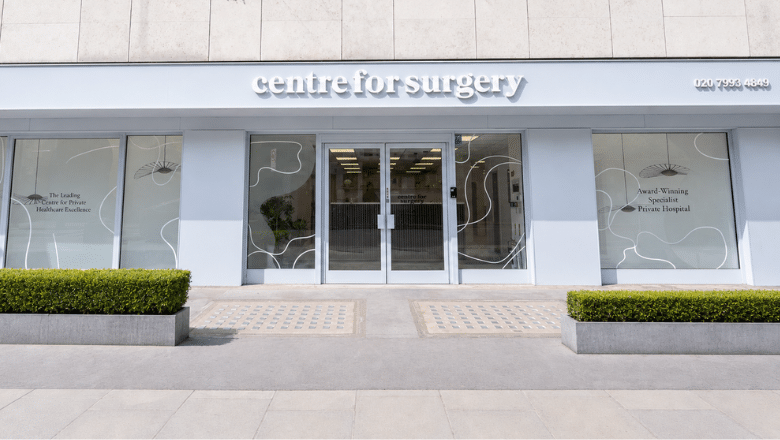
If a rash under your breasts keeps coming back despite treatment, or heavy breasts are also causing back, neck or shoulder pain, a consultation at Centre for Surgery is a good place to start. A consultant plastic surgeon will assess your breasts and the skin in the fold, explain whether a breast reduction or breast lift would help, and talk you through the results you can expect and the recovery. Our plastic surgeons are registered with the General Medical Council, the surgeon who assesses you is the surgeon who operates, and all surgery takes place at our CQC-regulated hospital at 95–97 Baker Street, Marylebone. Call 020 7993 4849 or complete the form below.
References
- Romanelli M, Voegeli D, Colboc H, et al. The diagnosis, management and prevention of intertrigo in adults: a review. J Wound Care. 2023;32(7):411–420. doi:10.12968/jowc.2023.32.7.411
- Taudorf EH, Jemec GBE, Hay RJ, Saunte DML. Cutaneous candidiasis – an evidence-based review of topical and systemic treatments to inform clinical practice. J Eur Acad Dermatol Venereol. 2019;33(10):1863–1873. doi:10.1111/jdv.15782
- Metin A, Dilek N, Bilgili SG. Recurrent candidal intertrigo: challenges and solutions. Clin Cosmet Investig Dermatol. 2018;11:175–185. doi:10.2147/CCID.S127841
- Mistiaen P, van Halm-Walters M. Prevention and treatment of intertrigo in large skin folds of adults: a systematic review. BMC Nurs. 2010;9:12. doi:10.1186/1472-6955-9-12
- Janniger CK, Schwartz RA, Szepietowski JC, Reich A. Intertrigo and common secondary skin infections. Am Fam Physician. 2005;72(5):833–838. PubMed 16156342
- Nguyen JT, Palladino H, Sonnema AJ, Petty PM. Long-term satisfaction of reduction mammaplasty for bilateral symptomatic macromastia in younger patients. J Adolesc Health. 2013;53(1):112–117. doi:10.1016/j.jadohealth.2013.01.025
- Collins ED, Kerrigan CL, Kim M, et al. The effectiveness of surgical and nonsurgical interventions in relieving the symptoms of macromastia. Plast Reconstr Surg. 2002;109(5):1556–1566. doi:10.1097/00006534-200204150-00011
- Singh KA, Losken A. Additional benefits of reduction mammaplasty: a systematic review of the literature. Plast Reconstr Surg. 2012;129(3):562–570. doi:10.1097/PRS.0b013e31824129ee
- Wraight WM, Tay SKL, Nduka C, Pereira JA. Bilateral breast reduction surgery in England: a postcode lottery. J Plast Reconstr Aesthet Surg. 2007;60(9):1039–1044. doi:10.1016/j.bjps.2007.03.002
- NHS. Heat rash (prickly heat).
- Gloucestershire Hospitals NHS Foundation Trust. Understanding under-breast soreness (Candida intertrigo). Patient information leaflet.
- Breast Cancer Now. Inflammatory breast cancer.