

In this guide14 sections
- Key Points
- Can Weight Loss Cause Itchy Skin and Rashes?
- What Is Intertrigo?
- What Causes Intertrigo After Weight Loss?
- Where Intertrigo Occurs: Under the Belly, Breasts, Groin and Armpits
- Intertrigo Treatment: How to Treat Skin Irritation After Weight Loss
- How to Prevent Skin Irritation After Weight Loss
- When to See a Doctor About Intertrigo
- Excess Skin Removal Surgery for Recurrent Intertrigo
- Am I a Candidate for Skin Removal Surgery?
- Recovery After Skin Removal Surgery
- Frequently Asked Questions
- Skin Irritation and Excess Skin Treatment at Centre for Surgery
- References
Key Points
- Can weight loss cause itchy skin? Yes. The most common cause is intertrigo, a rash that forms where loose skin folds rub together and trap sweat. It is a friction and moisture problem, not a sign that anything has gone wrong with your weight loss.
- Loose skin is the root cause. Skin that has been stretched for years does not fully shrink back, and studies of skin after major weight loss show damaged collagen and elastin long after the weight has gone.
- Intertrigo under the belly is usually the most troublesome. The overhanging fold of lower abdominal skin is the largest fold, the hardest to keep dry and the most likely to become infected.
- Intertrigo treatment starts at home: keep the fold clean and dry, use a barrier cream and treat any fungal or bacterial infection. The research behind individual creams is weak, so a consistent routine matters more than any single product.
- Other causes of itchy skin while losing weight include dry skin, keto rash (prurigo pigmentosa) on very low-carbohydrate diets, and skin reactions to weight-loss injections.
- When the rash keeps coming back, surgery removes the fold. Excess skin removal, such as an apronectomy, takes away the skin-on-skin contact that causes the irritation, and pooled studies show clear gains in physical and social wellbeing afterwards.
Losing a significant amount of weight is a real achievement, but for many people it brings an unexpected side effect: skin irritation. Rashes, redness, soreness, itching and chafing in the body’s folds are common after major weight loss, and they range from a mild nuisance to a painful, recurring problem that affects daily life. The medical name is intertrigo, often described as a skin fold rash or sweat rash, and it is usually caused by the loose skin left behind after weight loss. With weight-loss injections now producing large, fast weight loss alongside bariatric surgery and diet and exercise, more people than ever are living with it.
At Centre for Surgery in London, our GMC-registered plastic surgeons treat the excess skin behind recurrent irritation with excess skin removal surgery at our CQC-regulated Baker Street hospital. This guide explains why weight loss can cause itchy skin and rashes, what intertrigo is, how to treat it, when to see a doctor, and when surgery is the lasting answer.
Can Weight Loss Cause Itchy Skin and Rashes?
Yes, and far more often than most people expect. When you lose a large amount of weight, the skin that stretched to accommodate it often cannot retract fully. The loose skin folds over on itself, and inside those folds skin rubs on skin, sweat is trapped and air cannot circulate. That warm, damp environment is where weight loss itchy skin, rawness and infection develop. It is a mechanical problem created by the loose skin, not a sign that anything has gone wrong with your weight loss.
The amount of weight people can now lose makes this more common. In the STEP 1 trial of a once-weekly weight-loss injection, adults lost an average of 14.9% of their body weight over 68 weeks[1], and in the SURMOUNT-1 trial the highest dose of a newer injection produced an average loss of 20.9% over 72 weeks[2]. Losses on that scale, reached in little more than a year, give the skin less time to adapt, which is why skin irritation after weight loss is now one of the concerns we hear most often at consultation.
Why loose skin does not shrink back after weight loss
Skin that has been stretched for years is structurally changed. When surgeons examined skin removed during body lift surgery, on average about 20 months after bariatric surgery and a loss of around 60 kg, they found poorly organised collagen, broken-down elastin and patches of scar-like tissue[3]. A 2024 comparison found collagen was reduced to a similar degree whether the weight had come off through surgery or without it[4], so the same applies after diet, exercise or weight-loss injections. This limited ability to spring back is why exercise and creams cannot tighten a significant overhang. Our guide to loose skin vs fat explains how to tell which one you are dealing with.
Keto rash (prurigo pigmentosa)
Not all itching while losing weight comes from skin folds. On very low-carbohydrate or ketogenic diets, some people develop keto rash, known medically as prurigo pigmentosa: itchy red bumps, usually on the trunk and neck, that leave a net-like brown mark as they fade. A systematic review of 369 reported cases found dietary change was the most common trigger, and 40% of those people had started a ketogenic diet; the antibiotic minocycline cleared the rash completely in 48% of those given it on its own[5]. Keto rash usually settles once ketosis stops. It is not caused by loose skin, so it needs a GP or dermatologist rather than a surgeon.
Itchy skin on weight-loss injections
Weight-loss injections can occasionally affect the skin directly. A 2025 systematic review of 51 studies of GLP-1 medicines found reports of injection-site reactions, itching, hives and, rarely, more serious allergic reactions[6]. Itching or redness around the injection site, or a rash spreading across the body, is worth raising with whoever prescribes the medicine. Itching confined to skin folds, on the other hand, is far more likely to be intertrigo caused by the weight loss than a reaction to the medicine itself.
Dry skin is another common and simpler cause, and usually settles with a fragrance-free emollient. Itching all over the body with no visible rash should be checked by a GP, because it can have causes that have nothing to do with weight loss.
What Is Intertrigo?
Intertrigo is inflammation of the skin where two skin surfaces touch, caused by the combination of friction, moisture and poor ventilation. Sweat and other body fluids make it worse, and once the surface breaks down, yeast and bacteria can get in: Candida yeast, streptococcal bacteria and Corynebacterium are the usual secondary infections[7]. It belongs to a wider group of conditions called moisture-associated skin damage, and it is strongly linked with obesity and the skin folds that remain after it[8].
An intertrigo rash typically appears as red, raw, sometimes shiny or weeping skin in the depth of a fold, and it can sting or burn when you move or exercise. It tends to progress in stages: first mild redness and tenderness where the skin touches, then inflamed, raw skin that may crack or weep, and finally broken skin colonised by yeast or bacteria, producing a painful, smelly, slow-healing rash that keeps returning. Knowing where you are on that spectrum tells you whether careful home care will be enough or whether the fold itself needs dealing with.
Is intertrigo bacterial or fungal?
Intertrigo itself is neither: it starts as irritation, and infection is what can follow. A fungal (Candida) infection usually shows as bright red, moist skin with small separate red spots, called satellite lesions, just beyond the edge of the rash. Bacterial infection is more likely when the rash is oozing, crusting, spreading or strongly smelly. When the picture is unclear, a doctor can confirm the cause with a skin scraping or swab[7], and the answer decides whether you need an antifungal, an antibiotic or both.
Why does intertrigo smell?
A healthy skin fold does not smell, but an infected one often does. The odour comes from yeast and bacteria multiplying in trapped sweat and skin debris. If you are worried that other people can smell it, the answer is to treat the infection and keep the fold dry rather than masking it with perfume or deodorant, which can sting and irritate raw skin further. A strong smell, discharge or spreading redness means the fold needs medical treatment.
What Causes Intertrigo After Weight Loss?

Four factors combine to cause intertrigo after weight loss, and in most people several act together.
Loose, excess skin. The root cause. After significant weight loss, skin that has lost its elasticity cannot shrink back, leaving overhanging folds, most notably the abdominal “apron” (pannus). These folds create the skin-on-skin contact where all the other problems begin.
Friction and chafing. As loose skin rubs against the skin next to it during walking, exercise and everyday movement, the constant friction wears away the skin’s protective surface, causing rawness, soreness and redness.
Trapped moisture and sweat. Sweat, and simple dampness after washing, becomes trapped in the depth of a fold where air cannot circulate to dry it. Constant moisture softens the skin and makes it far more likely to break down.
Fungal and bacterial growth. The warm, moist, dark environment inside a fold is ideal for yeast (Candida) and bacteria that normally live harmlessly on the skin. When they multiply, simple irritation becomes an itchy, inflamed, sometimes infected rash.
Where Intertrigo Occurs: Under the Belly, Breasts, Groin and Armpits

Intertrigo develops wherever skin folds against skin. Our article on the areas most affected by loose skin after weight loss covers each one in more detail.
Intertrigo under the belly (rash under the stomach fold)
The underside of the abdominal overhang, the pannus or “apron”, is usually the most troublesome site. It is the largest fold, the hardest to lift, wash and dry, and it rubs with every step. In a 2021 Swedish study that followed 147 people for 18 months after bariatric surgery, most were left with an abdominal overhang of 3 cm or more, reported more symptoms from their excess skin than before surgery, and 70% asked for an operation to remove it[9]. The same research group found that people often become more aware of, and more troubled by, excess skin after weight loss, even though the overhang is measurably smaller than before[10].
Intertrigo under the breasts
The fold beneath the breasts traps sweat against the chest wall, particularly when the breasts have deflated and dropped after weight loss. We cover this in detail in our guide to a rash under the breast.
Groin intertrigo and inner thigh chafing
Loose inner-thigh skin rubs with every step, so chafing and groin intertrigo are common, especially in warm weather and during exercise. Anti-chafing balm and close-fitting, moisture-wicking shorts reduce the friction while you walk or train.
Intertrigo in the armpits and inner arms
The armpit is a natural fold, and loose upper-arm skin can create a second fold against the side of the chest. Keeping the area dry, using an antiperspirant and wearing breathable sleeves usually help.
Intertrigo Treatment: How to Treat Skin Irritation After Weight Loss

For mild to moderate irritation, and as a first step for everyone, home care brings real relief. The aim is to reduce friction, keep the fold clean and dry, and treat any infection. It helps to know that the evidence for individual products is thin: a 2010 systematic review of intertrigo treatments found 68 studies, only four of them randomised trials, and could not draw firm conclusions about any cream or powder; even people given a placebo improved[11]. A 2023 review reached a similar view and recommended a structured daily skin-care routine, treating infection with the right topical medicine, and moisture-wicking fabric in large skin folds[12]. In practice, doing the basics every day matters more than which product you choose.
Keep the fold clean and dry
Wash the folds once a day, and again after exercise or heavy sweating, with a mild, fragrance-free cleanser. Then dry them completely, patting rather than rubbing; leaving even a little moisture in a fold undoes much of the benefit. A hairdryer on a cool setting dries deep folds that a towel cannot reach. Daily washing is right for most people, but scrubbing or harsh soaps strip the skin barrier and make irritation worse.
Moisture-wicking fabric in the fold
A strip of moisture-wicking textile laid in the fold separates the two skin surfaces, draws sweat away and cuts friction, and the 2023 review supports this approach for large folds[12]. Breathable cotton clothing, and changing promptly out of damp exercise kit, help in the same way. Some people also find that an antiperspirant applied to the fold, not just the armpit, reduces sweating there.
What is the best cream for intertrigo?
For irritation without infection, a barrier cream is the usual choice: zinc oxide or dimethicone-based products form a protective layer against moisture and friction. Apply a thin layer to clean, dry skin, because a thick layer in a damp fold can hold moisture in. Where there is a fungal infection, an antifungal cream such as clotrimazole, ketoconazole or nystatin is used, and an infection that does not respond may need antifungal tablets. Bacterial infection needs an antibiotic, as a cream or tablets, on prescription[7]. A mild steroid is sometimes added for a short time to calm inflammation, but only on the advice of a pharmacist or doctor, because steroids thin the skin and used alone can make a fungal infection worse. Keeping the surrounding skin moisturised, without over-applying inside a damp fold, supports the skin barrier and reduces cracking.
These measures control the symptoms well for many people. What they cannot do is remove the loose skin that creates the fold in the first place, so where intertrigo keeps returning they treat the effect rather than the cause.
How to Prevent Skin Irritation After Weight Loss
Loose skin itself cannot be prevented once significant weight has been lost, but a great deal can be done to stop the irritation it causes from taking hold, and prevention is far easier than treating an established, infected rash. The principles are the same as for treatment, applied every day rather than only once a problem appears.
Keeping the folds clean and, above all, dry is the single most effective measure. A short daily routine of washing gently, drying thoroughly and applying a barrier product before dressing stops the cycle of moisture and friction before it starts. For a heavy stomach overhang, a supportive garment that lifts the fold away from the skin below can help keep it dry through the day. Choose breathable, moisture-wicking clothing rather than synthetic fabrics that trap sweat, change out of damp exercise clothing promptly, and use anti-chafing balm on at-risk areas before exercise. If you are still losing weight and expect loose skin, starting these habits early is the best way to stay ahead of it.
When to See a Doctor About Intertrigo
Most fold irritation can be managed at home, but some situations need medical attention. See a doctor or pharmacist if the rash is spreading, weeping or not improving after one to two weeks of good care; if there is increasing pain, warmth or swelling; if there is a foul smell or discharge; if the skin has broken down into an open sore or ulcer inside the fold; or if you develop a fever alongside the skin changes. These can be signs of a significant skin infection (cellulitis) or a persistent fungal infection that needs prescription treatment. If you have diabetes or a weakened immune system, seek advice sooner. Infection in a fold that keeps returning despite good care is itself a strong signal that the underlying excess skin may need removing.
Excess Skin Removal Surgery for Recurrent Intertrigo
For people whose irritation is recurrent, severe or affecting daily life, removing the excess skin is the lasting solution, because it removes the fold itself and with it the friction, trapped moisture and warm environment that infection needs. The benefits go beyond the skin: a meta-analysis of 15 studies and 7,339 patients found that people who had body contouring after bariatric surgery scored substantially better for body image and for physical, psychological, sexual and social function than those who had weight-loss surgery alone[13], consistent with an earlier systematic review from Imperial College London[14]. The right procedure depends on which area is affected.
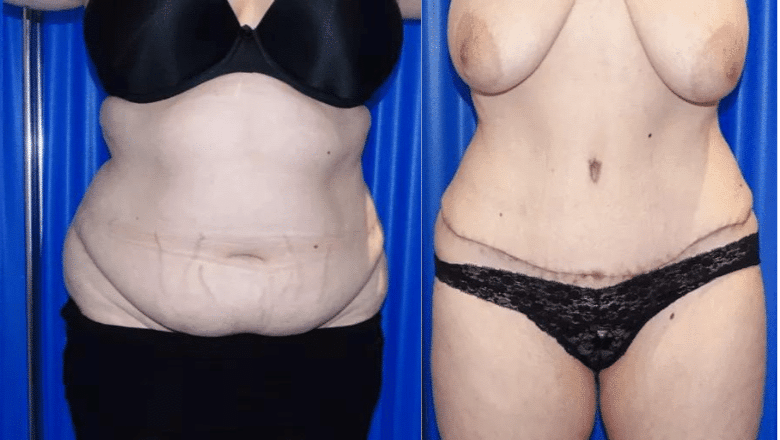
Abdomen. An apronectomy (panniculectomy) removes the overhanging apron of lower abdominal skin, the single most common source of post-weight-loss fold irritation. Where muscle tightening and a fuller improvement in shape are also wanted, a tummy tuck (abdominoplasty) addresses both. Our guide on the difference between an apronectomy and a tummy tuck explains which suits which patient.
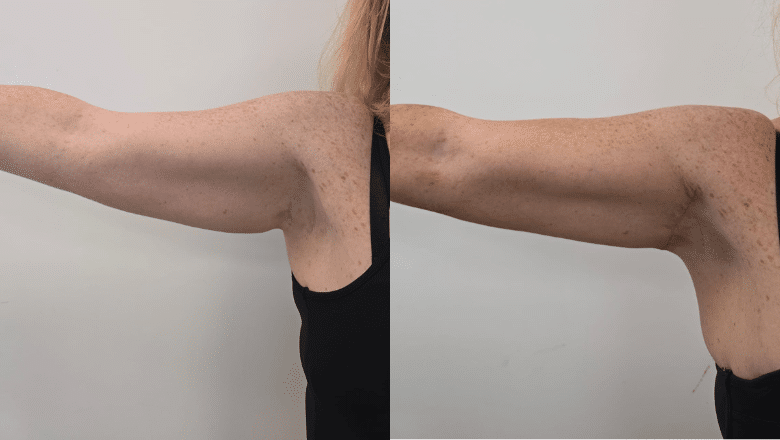
Arms. An arm lift (brachioplasty) removes loose inner-arm skin that folds and chafes.
Thighs. A thigh lift removes excess inner-thigh skin, one of the most common sites of chafing and irritation when walking.
Breasts and chest. A breast uplift (mastopexy) lifts and reshapes the breast, easing irritation in the fold beneath.
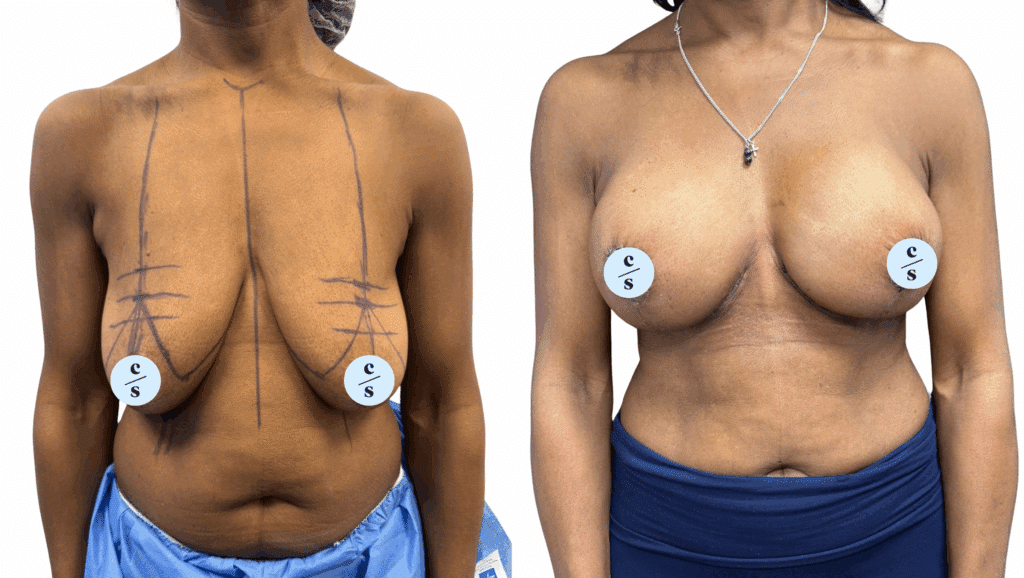
Multiple areas. Where excess skin affects the whole lower trunk, a lower body lift (belt lipectomy) treats the abdomen, flanks, back and buttocks all the way round.
Am I a Candidate for Skin Removal Surgery?
Skin removal surgery is generally most appropriate for people who have reached and kept a stable weight, ideally for around six months or more, are in good general health, do not smoke or are willing to stop, and have realistic expectations. Weight matters for safety as well as for the result: in a study of 511 body contouring operations after massive weight loss, complications were linked to the highest weight people had reached and the amount they had lost, and in single-procedure cases to their current BMI[15]. Where fold irritation and recurrent infection are significant, the case for surgery becomes both functional and aesthetic. An honest consultation will assess your skin, your general health and the impact the irritation is having, and advise whether surgery is the right step and, if so, whether it is best staged across more than one operation. Our post on skin removal after losing weight quickly covers timing in more detail.
Recovery After Skin Removal Surgery
Recovery depends on which procedure is performed and how extensive it is. Whether you go home the same day or stay overnight depends on the operation, and your surgeon will explain this, along with the anaesthetic used, at consultation. Swelling, bruising and tenderness settle over the first couple of weeks. A compression garment is typically worn for around six weeks to support the tissues, reduce swelling and help the skin settle to its new contour, and drains are sometimes used for the first few days after larger procedures such as an abdominoplasty or body lift.
Most people take around two weeks off a desk-based job, longer for physically demanding work, and avoid strenuous activity and heavy lifting for around six weeks. Light walking is encouraged early to support circulation. Scars are the necessary trade-off of any skin removal procedure: they are placed as discreetly as possible and fade significantly over 12 to 18 months, though they are permanent. The reward for people who were struggling with recurrent fold irritation is not only a better shape but an end to the chafing, rashes and infections the excess skin was causing. Where several areas need treatment, the plan is often staged, and your surgeon will set out a realistic timeline at consultation.
Frequently Asked Questions
Is skin irritation after weight loss normal?
Yes. It is very common, particularly after large or rapid weight loss. Loose skin folds create friction and trap moisture, leading to intertrigo that ranges from mild to severe. It is not a sign that anything has gone wrong.
How do I get rid of intertrigo under my belly?
Lift the fold to wash and dry underneath it every day, use a cool hairdryer to dry it completely, lay moisture-wicking fabric in the fold, and apply a thin layer of barrier cream. Treat any infection with an antifungal or antibiotic as advised by a pharmacist or GP. If the rash keeps coming back despite this, the overhang itself is the problem, and an apronectomy removes it.
Why did I suddenly get intertrigo?
Intertrigo often appears suddenly when something tips a fold into constant moisture: hot weather, a new exercise routine, tighter clothing, or weight loss that has created a new overhang. A course of antibiotics or poorly controlled diabetes can also make yeast overgrowth more likely.
Is intertrigo contagious?
No. Intertrigo is caused by friction and moisture in a skin fold, so you cannot catch it or pass it on. A secondary yeast infection within it is rarely spread by everyday contact, although it is sensible not to share towels while it is active.
Can I use Sudocrem on intertrigo?
A zinc oxide cream such as Sudocrem can protect mildly irritated, uninfected skin from moisture and friction. It does not treat a fungal or bacterial infection, so if the rash is spreading, smelly, has small satellite spots or is not improving within one to two weeks, ask a pharmacist about an antifungal cream or see your GP.
Does intertrigo go away on its own?
Mild intertrigo often settles within days to a couple of weeks with good care: keeping the area clean, dry and protected. Where it is caused by significant loose skin, it tends to return, because the fold remains. Removing the excess skin is the only way to stop it permanently in that situation.
Can loose skin cause infections?
Yes. The warm, moist environment inside a skin fold encourages fungal and bacterial overgrowth, which can cause repeated infections and occasionally cellulitis. Recurring infection in a fold is one of the most common reasons people seek surgical skin removal.
Does the NHS remove excess skin after weight loss?
NHS funding for skin removal is limited and usually requires evidence of significant functional problems, such as recurrent infections or ulceration that have not responded to treatment, along with strict eligibility criteria. Many people choose private surgery for quicker access. Our guide on skin removal surgery on the NHS explains the criteria.
How soon after weight loss can I have skin removal surgery?
Most surgeons advise waiting until your weight has been stable for around six months, so the result is not affected by further change. This also allows time to see how much the skin retracts on its own.
Does rapid weight loss cause more loose skin?
The amount of loose skin depends mainly on how much weight you lose, your age, your genetics, sun damage and how long the skin was stretched. Losing weight quickly gives the skin less time to adapt, so large losses on weight-loss injections or after bariatric surgery commonly leave loose skin. The method matters less than the amount: collagen loss in the skin is similar after surgical and non-surgical weight loss[4].
Will surgery completely stop the irritation?
Removing the overhanging skin removes the fold that causes the friction and traps moisture, so it deals with the cause. Most people find the chafing and rashes in that area stop. The scar needs care while it heals, and keeping your weight stable protects the result.
Skin Irritation and Excess Skin Treatment at Centre for Surgery
Centre for Surgery treats the excess skin behind recurrent post-weight-loss intertrigo with apronectomy, tummy tuck, arm lift, thigh lift and body lift surgery at our CQC-regulated hospital on Baker Street in central London. Every procedure is performed by a GMC-registered plastic surgeon after a thorough consultation to assess your skin, your general health and the impact the irritation is having, and to advise honestly on whether surgery is right for you.
Finance is available through Chrysalis Finance, subject to status. See our finance options page for details.
Phone: 020 7993 4849 | Address: 95–97 Baker Street, Marylebone, London W1U 6RN
Contact us to schedule a consultation
References
- Wilding JPH, Batterham RL, Calanna S, et al. Once-weekly semaglutide in adults with overweight or obesity. New England Journal of Medicine 2021;384(11):989–1002. doi:10.1056/NEJMoa2032183
- Jastreboff AM, Aronne LJ, Ahmad NN, et al. Tirzepatide once weekly for the treatment of obesity. New England Journal of Medicine 2022;387(3):205–216. doi:10.1056/NEJMoa2206038
- Light D, Arvanitis GM, Abramson D, Glasberg SB. Effect of weight loss after bariatric surgery on skin and the extracellular matrix. Plastic and Reconstructive Surgery 2010;125(1):343–351. doi:10.1097/PRS.0b013e3181c2a657
- Hany M, Zidan A, Ghozlan NA, et al. Comparison of histological skin changes after massive weight loss in post-bariatric and non-bariatric patients. Obesity Surgery 2024;34(3):855–865. doi:10.1007/s11695-024-07066-y
- Mufti A, Mirali S, Abduelmula A, et al. Clinical manifestations and treatment outcomes in prurigo pigmentosa (Nagashima disease): a systematic review of the literature. JAAD International 2021;3:79–87. doi:10.1016/j.jdin.2021.03.003
- Persson C, Eaton A, Mayrovitz HN. A closer look at the dermatological profile of GLP-1 agonists. Diseases 2025;13(5):127. doi:10.3390/diseases13050127
- Kalra MG, Higgins KE, Kinney BS. Intertrigo and secondary skin infections. American Family Physician 2014;89(7):569–573. PMID: 24695603
- Voegeli D. Intertrigo: causes, prevention and management. British Journal of Nursing 2020;29(12):S16–S22. doi:10.12968/bjon.2020.29.12.S16
- Elander A, Biörserud C, Fagevik Olsén M. Excess skin after weight loss following bariatric surgery: focus on the abdomen. Surgery for Obesity and Related Diseases 2021;17(5):986–993. doi:10.1016/j.soard.2021.01.005
- Biörserud C, Olbers T, Staalesen T, Elander A, Fagevik Olsén M. Understanding excess skin in postbariatric patients: objective measurements and subjective experiences. Surgery for Obesity and Related Diseases 2016;12(7):1410–1417. doi:10.1016/j.soard.2016.01.033
- Mistiaen P, van Halm-Walters M. Prevention and treatment of intertrigo in large skin folds of adults: a systematic review. BMC Nursing 2010;9:12. doi:10.1186/1472-6955-9-12
- Romanelli M, Voegeli D, Colboc H, et al. The diagnosis, management and prevention of intertrigo in adults: a review. Journal of Wound Care 2023;32(7):411–420. doi:10.12968/jowc.2023.32.7.411
- Mokhtar J, Akbarpoor F, Hadi M, et al. Patient-reported outcome measures following postbariatric body contouring: a systematic review and meta-analysis. Plastic and Reconstructive Surgery 2026;157(5):698e–711e. doi:10.1097/PRS.0000000000012544
- Toma T, Harling L, Athanasiou T, Darzi A, Ashrafian H. Does body contouring after bariatric weight loss enhance quality of life? A systematic review of QOL studies. Obesity Surgery 2018;28(10):3333–3341. doi:10.1007/s11695-018-3323-8
- Coon D, Gusenoff JA, Kannan N, et al. Body mass and surgical complications in the postbariatric reconstructive patient: analysis of 511 cases. Annals of Surgery 2009;249(3):397–401. doi:10.1097/SLA.0b013e318196d0c6