


In this guide6 sections
Losing a large amount of weight can be life-changing. Whether through diet, exercise or bariatric surgery, achieving your goal weight can dramatically improve health, mobility and self-confidence. However, a common and often frustrating side effect of major weight loss is the presence of excess or sagging skin. Despite your success, loose skin left behind can make it difficult to fully enjoy the results you worked so hard for — and it doesn’t affect every part of the body equally. This guide breaks down exactly which areas are most commonly affected and which procedure addresses each one.
Excess Skin After Weight Loss
When the body gains weight, the skin stretches to accommodate the additional volume. Over time, the skin’s collagen and elastin fibres can become damaged, making it less able to contract once the fat beneath is lost. The longer the skin has been stretched, the more likely it is to remain loose after weight loss.
Excess skin may hang or fold in various areas, leading not only to cosmetic concerns but also to physical discomfort such as rashes, irritation and hygiene problems. While exercise can strengthen underlying muscles, it cannot tighten skin that has lost its elasticity. For those seeking a lasting solution, surgical removal of excess skin provides the most effective and durable outcome.
The Most Common Areas Affected by Excess Skin
Abdomen — Loose Skin Stomach After Weight Loss

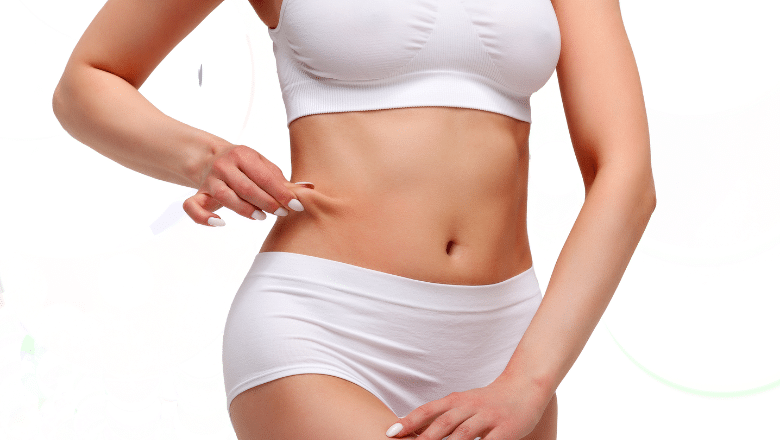
The abdomen is the area most often affected by sagging skin after weight loss, and loose skin on the stomach after weight loss is the single most common complaint we see at consultation. Many patients develop folds that hang over the lower abdomen, sometimes called a “skin apron” or pannus. This can affect comfort, confidence and even cause skin irritation where the fold traps moisture against the skin.
A tummy tuck, or abdominoplasty, removes this loose skin and tightens weakened abdominal muscles. At Centre for Surgery, several types of abdominoplasty are available, including mini, full and extended tummy tucks, depending on the extent of excess skin. The incisions are placed low along the bikini line, allowing them to be easily hidden under clothing. Where the primary concern is the overhanging apron itself rather than a fully contoured result, an apronectomy (panniculectomy) is a more focused alternative — see our guide on abdominoplasty vs apronectomy for the distinction.
For patients who have lost a very large amount of weight, an extended abdominoplasty or Fleur-de-Lis tummy tuck may be recommended. These techniques remove both vertical and horizontal excess skin, restoring balance to the entire midsection.
Arms — Bingo Wings Surgery

Loose or hanging skin along the upper arms — commonly called “bingo wings” or “bat wings” — is another frequent concern after significant weight loss. Loose skin on the arms after weight loss can make it difficult to wear short-sleeved clothing and often causes self-consciousness during everyday activities, particularly when the arm is raised or extended.
Bingo wings surgery, medically known as an arm lift or brachioplasty, removes excess skin and tissue from the upper arms while reshaping the underlying structure. The incision is placed discreetly along the inner arm, typically running from the armpit to the elbow, with the length tailored to the degree of laxity present. For less extensive cases, a mini arm lift may be sufficient, addressing the upper portion only through a shorter incision. For patients with stubborn fat pockets alongside the loose skin, liposuction can be combined with the arm lift to refine the results further — see our guide on arm lift vs arm liposuction if fat, rather than skin, may be the primary concern.
Loose skin under the armpit and around the axilla is a variation of the same problem, and it’s an area patients often ask about specifically, separately from general upper-arm bingo wings. It’s addressed as part of the same arm lift (brachioplasty) procedure, since a full-length brachioplasty incision naturally extends into the armpit region, where excess skin is often at its most pronounced immediately after significant weight loss. For patients whose main concern is isolated to the armpit and the immediately adjacent upper arm rather than the whole arm, a mini arm lift may be enough to address this without a longer incision running to the elbow.
Thighs — Loose Skin Thighs After Weight Loss

After weight loss, loose skin on the thighs can cause genuine discomfort and chafing, particularly on the inner thighs where skin rubs against skin during everyday movement. This area tends to be resistant to natural tightening through exercise alone, making surgery the most effective way to achieve firmer legs.
A thigh lift targets loose skin on the inner, outer or upper thighs. The surgeon removes excess skin, tightens the remaining tissue and contours the thighs for a slimmer, more sculpted appearance. Incisions are placed strategically along the groin or inner thigh to minimise visibility once healed, and the procedure can be combined with liposuction for enhanced shaping.
Breasts — Breast Lift and Augmentation
Both men and women often experience skin laxity on the chest after weight loss. For women, the breasts can lose volume and firmness, resulting in a deflated or drooping appearance. For men, stretched skin can create sagging in the chest area that resembles gynaecomastia.
A breast lift (mastopexy) removes excess skin and reshapes the breasts to restore a youthful contour. Depending on the patient’s goals, the procedure can be combined with breast augmentation using implants or fat transfer to enhance fullness and projection. Men can benefit from a male chest reduction, which removes both excess skin and glandular tissue for a flatter, firmer chest.
Lower Body — Belt Lipectomy or Lower Body Lift
When weight loss affects multiple areas of the body, many patients are left with skin folds around the abdomen, hips, lower back and buttocks. In these cases, a lower body lift offers a comprehensive solution. Also known as a belt lipectomy, this procedure combines a tummy tuck with removal of excess skin from the flanks, back and buttocks through a circumferential incision around the lower torso — lifting and tightening the entire midsection in a single operation.
Buttocks — Buttock Lift or Fat Transfer
After major weight loss, the buttocks can lose shape and appear flat or sagging. A buttock lift removes excess skin and lifts the underlying tissues to restore a firmer contour. In some cases, a Brazilian Butt Lift (BBL) using fat transfer can be used to enhance volume and shape.
Face and Neck — Facelift and Neck Lift
Facial weight loss can leave behind sagging skin around the jawline and neck. The loss of volume in the face may create jowls, hollow cheeks or loose neck folds. A facelift or neck lift tightens the skin and repositions underlying tissues to restore definition without an over-tightened look.
Combining Procedures for Complete Transformation
Many patients benefit from combining multiple body contouring procedures during one operation. For example, an extended tummy tuck can be combined with a thigh lift and an arm lift as part of a coordinated post-bariatric plan. Combining surgeries means a single recovery period and can yield more balanced, harmonious results throughout the body. Your surgeon will assess your overall health, BMI, and fitness for anaesthesia to determine what can safely be combined in one session.
Recovery and Aftercare Following Excess Skin Removal Surgery
Recovery depends on the extent and number of procedures performed. Most patients are advised to take two to three weeks off work and avoid strenuous activity for at least six weeks. Mild swelling and bruising are common after surgery but gradually subside over several weeks. Wearing compression garments as instructed helps reduce swelling and supports healing. Patients typically notice visible improvements soon after surgery, with results continuing to refine as swelling resolves over the following months.
Benefits of Surgical Skin Removal After Weight Loss
Surgical removal of excess skin offers both physical and emotional benefits. Patients frequently report improved comfort, freedom of movement, and the ability to wear fitted clothing confidently. The risk of skin irritation and infection is also reduced once excess folds are removed. Many patients describe a significant boost in self-esteem and body image — after the hard work of achieving weight loss, surgical contouring often completes the transformation and allows the results to be fully appreciated.
Frequently Asked Questions
Which area of the body is most commonly affected by loose skin after weight loss?
The abdomen is by far the most commonly affected area, followed by the upper arms and thighs. The extent of loose skin in each area depends on where the weight was carried, how much was lost, and individual factors such as age and skin elasticity.
Can I have multiple areas treated at once?
Yes. Many patients choose combination procedures, such as a tummy tuck with a thigh lift or arm lift, during one surgery. Your surgeon will assess your overall health and suitability to ensure the safest approach for your goals.
How long should I wait after losing weight before surgery?
You should maintain a stable weight for at least six months before undergoing surgery — some surgeons recommend twelve months for patients who lost a very large amount of weight quickly. Rapid fluctuations in weight can affect the outcome and healing process. See our guide on timing skin removal surgery after rapid weight loss for more detail.
Are the scars visible after surgery?
All surgery involves some degree of scarring, but incisions are placed in discreet locations wherever possible — along the bikini line, inner arm, groin crease, or hairline depending on the procedure. Scars fade over time and can be managed with scar care advice as part of your aftercare plan.
What are the risks of skin removal surgery?
All surgical procedures carry some risk, including bleeding, infection or delayed healing. See our detailed guide on reducing complications from excess skin removal surgery for the specific risk factors and precautions involved.
Is liposuction used during body contouring surgery?
Yes. Liposuction is often combined with skin removal surgery to remove stubborn fat pockets and enhance contouring, particularly in the thighs, arms and flanks — though liposuction alone does not address loose skin.
How long will my results last?
As long as you maintain a stable weight and healthy lifestyle, your results are generally long-lasting. Natural ageing will continue to affect the skin, but the improvement achieved through surgery does not reverse.
Why Choose Centre for Surgery
Every excess skin removal procedure at Centre for Surgery is performed by a GMC-registered plastic surgeon, at our purpose-built, CQC-regulated Baker Street clinic, rated “Good” overall. We offer the full range of skin-excision procedures across every body area covered above, so your surgeon can recommend what your specific anatomy genuinely needs rather than defaulting to a single approach.
Reviewed by Dr Spyridon Vlachos, Specialist Plastic Surgeon, GMC 7522950.
For more information about our clinic and services, visit our About Us and Meet the Team pages. You can also explore our Before & After Photos, FAQs & Guides, Finance Options, and Plastic Surgery Blog.
To book a consultation, call 020 7993 4849 or email contact@centreforsurgery.com. Your initial consultation is £100, redeemable against the cost of your procedure if you proceed. Finance is available through Chrysalis Finance, subject to status.







