

In this guide4 sections
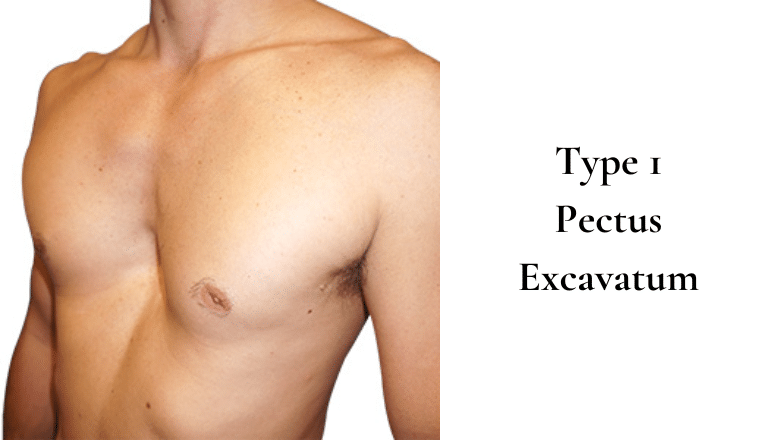
Pectus Excavatum, also known as funnel chest, is a deep indentation in the middle of the chest that gives the chest a scooped-out appearance. Pectus Excavatum affects around 1 to 2 per cent of the population and is more common in boys than in girls. The cause of pectus excavatum is currently unknown; however, it is thought to be hereditary. Around 37 per cent of people with this condition have a family member with pectus excavatum.
Symptoms and Signs of Pectus Excavatum
When a child is born, they may have a slight indentation in their chest. This depression will usually get worse in the adolescent growth spurt and can continue to get worse into adulthood.
Signs and symptoms of severe pectus excavatum include:
- Chest pain
- Heart murmur
- Fatigue
- Respiratory infections, which may recur
- Fast heartbeat
- Shortness of breath
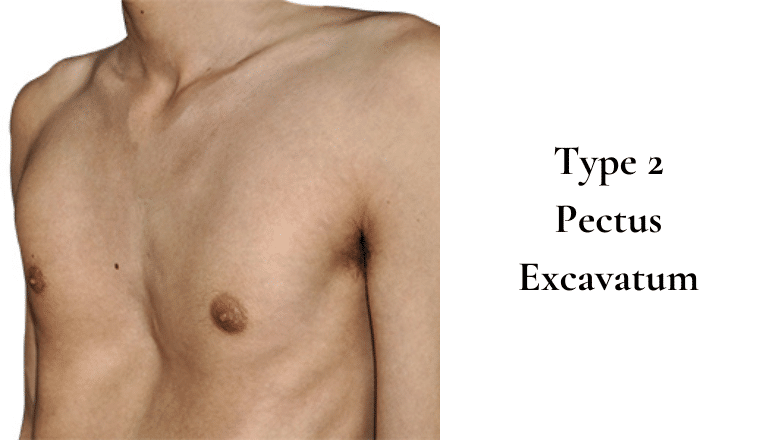
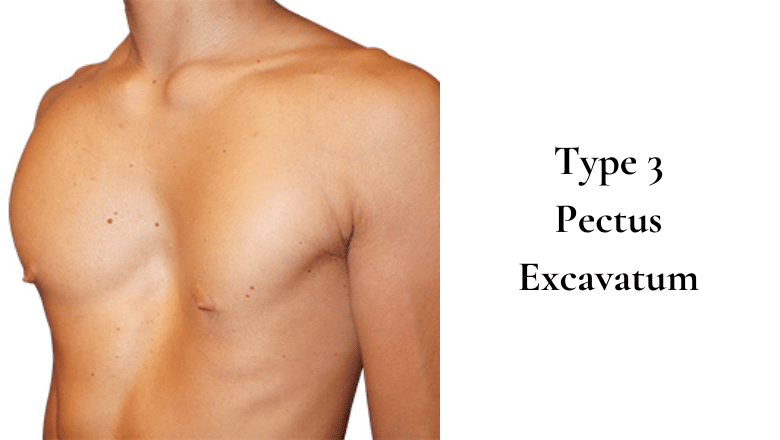
Can I have pectus surgery?
Fortunately, there are ways to fix pectus excavatum. Surgery is suitable for both adolescents and adults who are concerned with the way their chest looks as a result of the condition. Those who have shortness of breath or who have been unable to exercise are also suitable candidates for corrective surgery.
As this is a surgical procedure, candidates need to ensure they are in good health. Those who have disorders that impact healing, have diabetes, are obese, or have poor nutrition will not be suitable for this procedure.
What does the surgical procedure involve?
Understandably, some people are hesitant to correct pectus excavatum because the solution is perceived as invasive surgery. However, there is a more straightforward surgical procedure available.
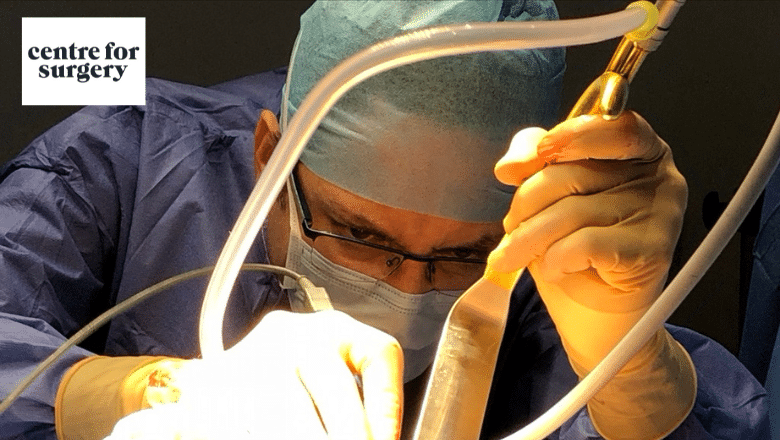
To treat pectus excavatum, we use a custom-made implant. The use of 3D technology helps to reduce any complications. During your initial consultation, your chest will be measured, and you will have a 3D scan. This scan will allow the implant to be custom-made to suit your body.
Pectus excavatum treatment is performed under TIVA and takes around one hour to complete. A vertical incision will be made across the chest, and a locus will be made to the size of the 3D implant. The implant is then placed under the muscle, giving the bone a remodelled shape. The incision is then closed with absorbable sutures.
Recovery
As this surgery is a day procedure, you will have a shorter recovery time than with more invasive surgeries. You may experience pain for a few hours following the procedure; however, you will be able to return home the same day. However, you will only be discharged when your breathing and eating are normal, and you are fine with the pain medication.
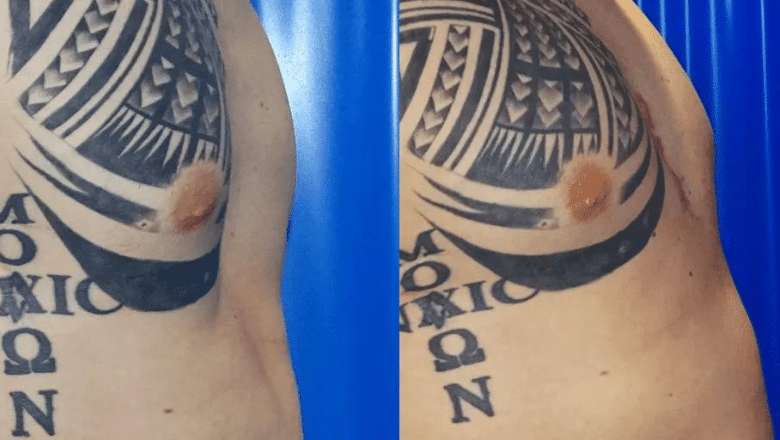
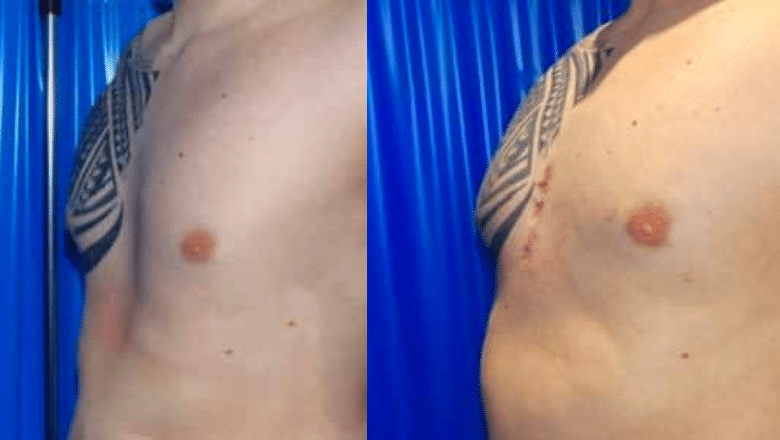
You will be required to wear a surgical dressing for the first few days after the procedure, and then you will have to wear a compression vest for a month. You will have to avoid sports and vigorous physical activity for three months. You will be given 15 days of sick leave.
This is an effective way to treat pectus excavatum, allowing those with the condition to boost their self-esteem and confidence.