

In this guide7 sections
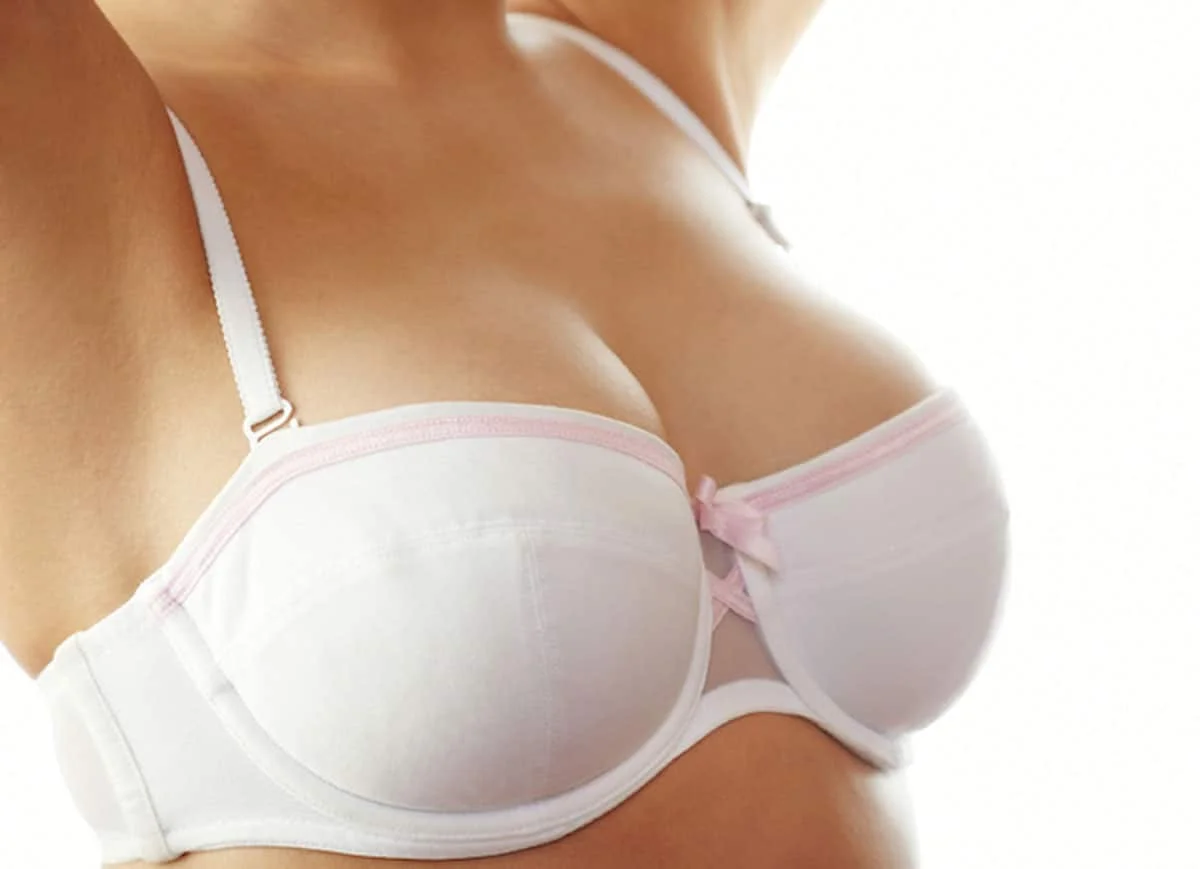
Breast augmentation is one of the most popular cosmetic surgeries. While you may have originally been happy with the results of your initial breast augmentation, over time, your body may have changed, or you may now be unhappy with the size of your implants.
Fortunately, you can reduce the size of your breast implants.
However, there are numerous things to consider before you undergo a breast implant replacement.
Which surgeon do I choose?
Before undergoing another cosmetic surgery, make sure you are choosing the best possible surgeon. You may not wish to return to your original surgeon – particularly if you were unhappy with the results initially, or felt pressured into getting implants which are too big.
If you’re going to choose a new surgeon, make sure you choose someone who has extensive experience in breast implant replacement, rather than just breast augmentation. They will also have to be able to perform revision surgery, as they will have to analyse the work another surgeon has previously done.
Before settling on a surgeon, ensure you verify their credentials. If they are based in the UK, they must be registered with the GMC. You may also wish to request before-and-after photographs, which will highlight the surgeon’s work and show you the results you can expect to achieve.
Breast implants may have changed.
This will depend on how long ago you had your original implants. If it has been 10 or so years since your initial operation, you will find there will be more choices now when it comes to picking your breast implants.
You will be able to decide on the texture, size, shape and profile. Your surgeon will also be able to assess your shape and help give recommendations as to the best breast implants for you to choose.
Do you need a breast lift?
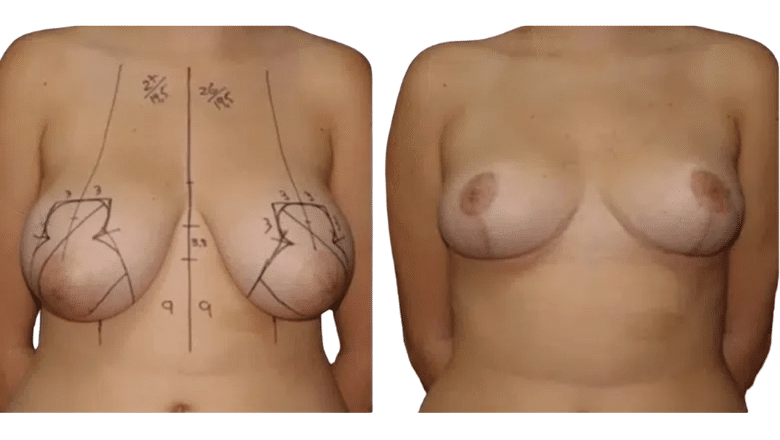
A breast augmentation won’t address the problem of droopiness. You may also experience sagging if you are drastically reducing the size of your implants. If you have existing droopiness or are going to experience increased droopiness as a result of the breast reduction, your surgeon may also suggest that you undertake a breast lift.
A breast lift will remove excess skin and tighten the surrounding skin. This will not increase the size of the breasts; however, it will make them appear to sit higher, firmer, and more youthful.
It is important to note that a breast lift will result in more scarring than what you would experience after a breast implant exchange. Scarring can often be a reason why women opt to avoid surgery. However, many will find that the scars are worth it to achieve the best results.
During your consultation, your surgeon will be able to assess your breasts, the level of existing droopiness and will be able to advise whether or not you should undergo a breast lift as well as an implant exchange.
How long has it been since your initial breast augmentation?
It is not uncommon for women to feel buyer’s remorse and be unhappy with the size of their implants. In the first few months following your initial breast augmentation, you will experience swelling, and your body will still be adjusting to the implants. During this period, your breasts may feel particularly firm and sit higher than usual. This can cause some people to feel unsatisfied with the results and think that the implants are too large.
If you have only had your breast augmentation recently, you may want to consider waiting until you consider undergoing a breast implant reduction. Once the swelling subsides and your body adjusts, you may feel more comfortable with the size of your implants.
However, if you are unhappy with the appearance of your breasts and the implants, make sure to discuss this with your surgeon, as they will be able to offer solutions.
Is Capsular Contracture a Reason to Downsize?
Not every reason to consider smaller implants is about personal preference. Capsular contracture — where the scar tissue capsule that naturally forms around any implant tightens and hardens more than it should — is a genuine medical reason some patients seek breast implant exchange, and it’s worth being able to recognise it separately from simply wanting a different look.
Symptoms typically include the breast feeling unusually firm or hard, a change in shape (often becoming rounder or more ball-like), the implant appearing to sit higher than the other, and in more advanced cases, tightness or discomfort. Capsular contracture is graded on the Baker scale from I (normal, soft) to IV (hard, painful, and visibly distorted). Grades III and IV typically warrant surgical correction.
If capsular contracture is the underlying cause of your dissatisfaction, downsizing alone won’t necessarily resolve it — your surgeon will usually need to remove or release the tightened capsule (a capsulectomy or capsulotomy) as part of the same procedure, sometimes alongside placing a new implant in a different position (for example, moving from subglandular to dual-plane) to reduce the risk of recurrence.
What Happens During Implant Exchange Surgery?
Breast implant exchange follows a broadly similar surgical pathway to a first-time augmentation, with a few important differences. At Centre for Surgery, the procedure is performed under TIVA (Total Intravenous Anaesthesia) as a day case, and typically takes slightly longer than an original augmentation — usually between 90 minutes and two hours — to allow for careful assessment and management of the existing capsule.
Where possible, your surgeon will use your existing scar to minimise additional scarring, though this depends on where the new implant needs to sit and whether any capsule work is required. If the capsule around your current implant is healthy and appropriately sized, it can often simply accommodate the new implant. If it isn’t — whether due to contracture, stretching, or a change in implant position — your surgeon will need to modify or remove it, which adds complexity and time to the procedure.
Recovery from implant exchange is generally comparable to, or slightly easier than, your original augmentation recovery, particularly if you’re downsizing rather than increasing volume — less tissue stretching typically means less swelling and a more comfortable first week. Most patients return to light activity within a few days and normal exercise within four to six weeks, though your surgeon will give you a timeline specific to your procedure.
Are you interested in breast implant reduction? This is a procedure Centre for Surgery currently offers. Contact us today to learn more or to schedule a consultation with one of our surgeons.
Frequently Asked Questions
How long does breast implant exchange surgery take?
Typically 90 minutes to two hours, somewhat longer than a first-time augmentation, depending on whether capsule work is needed.
Will my results look different from my original augmentation?
Likely yes, to some degree. Skin and tissue have already been stretched by your existing implants, which can affect how a smaller implant settles and how much natural tissue coverage remains. Your surgeon will talk you through what’s realistic for your specific anatomy at consultation.
How soon can I have implant exchange after my original surgery?
Most surgeons recommend waiting at least six months, and ideally closer to a year, to allow swelling to fully resolve and your tissue to settle — unless there’s a medical reason such as capsular contracture or implant rupture that requires earlier intervention.
Is recovery from downsizing easier than my first augmentation?
Often, yes. Moving to a smaller implant generally involves less tissue stretching than the original augmentation, which can mean less swelling and a more comfortable early recovery — though this varies by individual and by how much capsule work is required.