


In this guide10 sections
- What is FUPA?
- What Causes a FUPA?
- FUPA: A Concern for Both Women and Men
- Best Ways to Get Rid of Pubic Fat
- Which FUPA Treatment Is Right for You?
- Recovery After FUPA Surgery
- How to Get Rid of FUPA Naturally
- How Much Does FUPA Surgery Cost?
- Frequently Asked Questions: FUPA Surgery
- FUPA Treatment at Centre for Surgery
The accumulation of fat in the upper pubic area, commonly referred to as FUPA (Fat Upper Pubic Area) or a ‘bulging mons,’ is a particularly stubborn type of fat deposit that tends to gather just below the bikini line. This area can be challenging to target with diet and exercise alone, leading many people to consider surgical options for more targeted fat removal. Several procedures are designed specifically to address it, including monsplasty, panniculectomy, and abdominoplasty, while less invasive options such as liposuction can also be effective in reducing the appearance of a FUPA.
While a healthy diet and consistent exercise can help you lose weight overall and may slightly improve the appearance of your lower abdomen, these lifestyle changes are usually not sufficient to eliminate fat concentrated in the upper pubic area. In many cases, surgical intervention is the most effective way to achieve significant, targeted results.
At Centre for Surgery, our GMC-registered plastic surgeons regularly perform monsplasty, panniculectomy, abdominoplasty, and liposuction at our CQC-regulated clinic in the heart of London, offering a range of options to suit individual needs. Our clinic holds a “Good” rating from the Care Quality Commission (CQC).
What is FUPA?
FUPA stands for “Fatty Upper Pubic Area.” It generally refers to the area of fat that accumulates just below the bikini line, around the mons pubis, and gained mainstream attention when Beyoncé referred to her own “mummy pouch” in a 2018 interview. It can develop due to a variety of factors, including pregnancy, C-sections, and weight loss or gain.
The fat in this area can be particularly stubborn and resistant to traditional weight-loss methods. While it’s often considered a cosmetic issue, leading to a bulging effect that many find bothersome, FUPA can also be associated with functional concerns — excess fat in the area can contribute to skin irritation, inflammation, and difficulty with hygiene. Owing to its stubborn nature, FUPA may require specialised treatment for effective reduction, ranging from targeted lifestyle changes to surgical intervention depending on the severity and individual circumstances.
What Causes a FUPA?

There are several recognised causes of FUPA:
Genetics
Hereditary factors strongly influence the development of FUPA, as the distribution of body fat is largely determined by genetics. Some people are more prone to storing excess fat in the upper pubic area, leading to a bulging mons. Genetics also affects how fat is lost through diet and exercise — which is why these often fail on their own to eliminate fat from stubborn areas such as the mons pubis.
Pregnancy
Pregnancy causes several physiological changes, and fat distribution may shift due to hormonal factors. Many women find it difficult to lose the post-pregnancy pouch after childbirth, and a bulging mons pubis can affect the way certain clothing fits. FUPA can be effectively treated with mons pubis liposuction in those with good skin elasticity, or with a monsplasty for a flatter mons pubis.
Significant weight gain or loss
People who gain significant weight in a short period often accumulate excess fat in unwanted areas, and this is one of the most common reasons for a bulging mons pubis. Substantial weight loss can also result in loose skin affecting the mons pubis, which may also present as FUPA.
FUPA: A Concern for Both Women and Men
FUPA isn’t exclusive to one gender — anyone can experience a build-up of fat in this area, though women may notice it more, especially following pregnancy. The underlying reasons are mostly the same for both: genetics, changes in weight, ageing, and hormonal shifts.
For women, pregnancy and childbirth are often pivotal, as the abdominal muscles stretch and the skin expands, while the body tends to store extra fat in the pubic region. In men, a FUPA may appear with weight gain, ageing, or a decline in hormone levels. A bulging mons pubis in men can make the penis appear shorter, and mons reduction can help create a flatter contour.
Best Ways to Get Rid of Pubic Fat

Surgery is the most effective way to get rid of FUPA permanently. Some people achieve improvement through diet and exercise, but most find non-surgical methods alone insufficient because the fat in the pubic area is particularly stubborn. Whether the fat has accumulated due to pregnancy or significant weight loss, monsplasty or liposuction is generally the most effective treatment, and in some cases combining techniques — liposuction with excess skin removal, for example — gives the best result.
Monsplasty
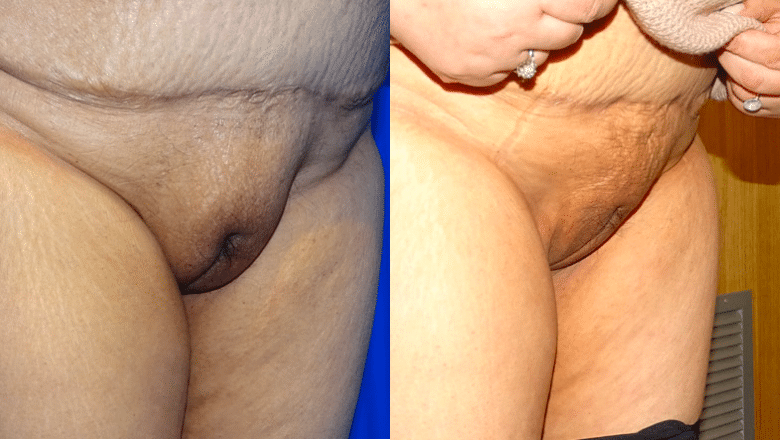
A monsplasty, also known as a pubic lift, is a targeted procedure designed to address the fatty upper part of the pubic area — the mons pubis. During the procedure, the surgeon removes excess fat and tissue from the mons pubis, eliminates excess skin, and tightens the underlying tissues.
The primary goal is to reduce the prominence of the mons pubis, sculpting the area for a smoother, more streamlined appearance. Beyond the aesthetic improvement, monsplasty can also offer functional benefits: easier hygiene and a reduced risk of rashes and infections, greater comfort during intercourse, and easier urination where drooping tissue was previously an issue. Our guides on how a monsplasty is done and recovery after monsplasty go into more detail.
A monsplasty or mons pubis liposuction can also form part of a more extensive mummy makeover, combined with procedures such as breast surgery, a tummy tuck, or other body contouring to restore the pre-pregnancy physique.
Abdominoplasty

An abdominoplasty (tummy tuck) is a more extensive procedure that improves the appearance and tone of the abdomen. It removes excess fat and loose skin and tightens the underlying abdominal muscles for a more sculpted, flatter result — particularly beneficial for those who have experienced muscle separation due to pregnancy or weight gain.
A tummy tuck in the presence of FUPA can make a bulging mons look more obvious, so our surgeons frequently recommend combining an abdominoplasty with a monsplasty. Performing both together addresses cosmetic and functional concerns across the entire abdominal region for a more harmonious, proportionate outcome.
Panniculectomy (Apronectomy)

A panniculectomy, also known as an apronectomy, is tailored to removing excess fat and skin from the lower abdomen, which can include the upper pubic region. It is especially beneficial for those left with an overhanging “apron” of skin and fat after significant weight loss.
Where a monsplasty focuses exclusively on the upper pubic area, a panniculectomy has a broader scope, removing overhanging skin and fat from the lower belly. Unlike an abdominoplasty, it does not tighten the abdominal muscles — it focuses solely on removing the excess skin and fat, resolving the cosmetic and functional problems of a sagging lower abdomen such as skin irritation, hygiene difficulties, and mobility issues.
Pubic Liposuction (FUPA Lipo)
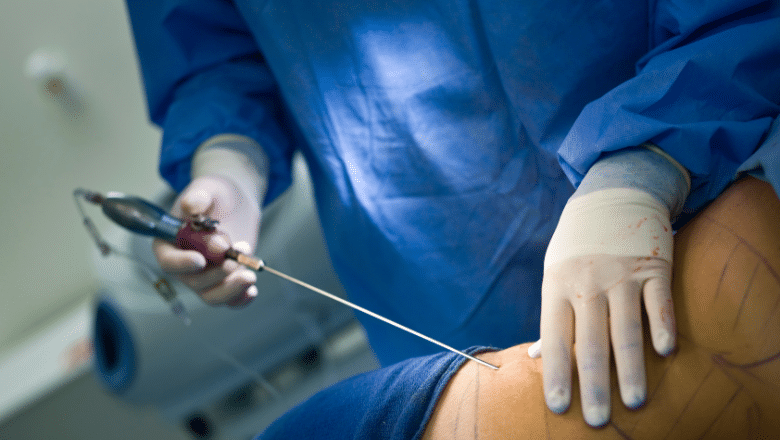
Pubic liposuction, often called FUPA Lipo, removes excess fat from the upper pubic area through suction and is generally less invasive than a monsplasty or panniculectomy. The surgeon makes small incisions and uses a cannula to loosen and remove fatty tissue, allowing precise sculpting.
The ideal candidate is someone with a small to moderate amount of excess fat but without significant skin laxity or muscle looseness. Its benefits are a less invasive procedure, quicker recovery, and less scarring; its limitation is that it does not remove excess skin or tighten muscle, so it’s less suitable where there is significant loose skin. In such cases, liposuction can be combined with a monsplasty to address both the fat and the excess skin.
Non-Surgical Fat Reduction
Non-surgical fat-reduction techniques are less effective at eliminating FUPA but may suit patients who prefer to avoid surgery. Options include laser fat reduction and laser skin tightening, which target subcutaneous fat while stimulating collagen to tighten the skin. These are outpatient treatments with minimal recovery, but they achieve only a modest reduction compared with surgery.
Which FUPA Treatment Is Right for You?

The best procedure depends on what’s driving your FUPA. As a general guide: if the issue is mainly stubborn fat with good skin elasticity, liposuction may be enough; if there’s excess skin and fat concentrated on the upper pubic area, a monsplasty is usually the answer; if there’s a broader overhanging apron of skin, a panniculectomy addresses it; and if there’s loose skin combined with abdominal muscle separation, a tummy tuck (often with a monsplasty) gives the most complete result. Your surgeon will confirm the right approach at consultation after assessing the balance of fat, skin, and muscle.
Recovery After FUPA Surgery
FUPA surgery is typically a day-case procedure, so you can go home the same day. Mild bruising, swelling, and discomfort for the first three to four days are normal, and most of these settle within the first week. It’s important to take prescribed medication as directed, attend all post-operative review appointments, and follow your surgeon’s instructions. Most patients return to desk-based work after about a week (two weeks for physically demanding jobs), with complete healing generally by around six weeks, after which normal activities can resume.
How to Get Rid of FUPA Naturally
Spot reduction — losing fat from just one area of the body — is not possible through natural means. However, a well-rounded approach to diet and exercise can reduce your overall body fat, which may improve the appearance of the upper pubic area.
On diet, the foundation is a modest calorie deficit — consuming slightly fewer calories than you burn — built around nutrient-dense, higher-protein foods, whole grains and vegetables, good hydration, and limiting sugar, processed foods, and alcohol. On exercise, a combination of regular cardiovascular activity (the American Heart Association suggests at least 150 minutes of moderate-intensity cardio a week), some higher-intensity interval work, and strength training to build calorie-burning muscle is most effective. Core-focused moves such as planks, pelvic tilts, and leg raises can tone the lower abdominal muscles beneath the area, though they cannot selectively burn the fat above them. Consistency, good sleep, and stress management all support the process.
These measures can genuinely help with overall body fat and tone, but they may not shift fat concentrated in the upper pubic area or tighten loose skin — which is why many people, particularly those who are already slim but still have a FUPA, ultimately consider a targeted procedure.
How Much Does FUPA Surgery Cost?
There’s no single price for FUPA surgery, as the cost depends on which procedure is needed, its complexity, and additional factors such as anaesthesia and facility fees. The right treatment varies so much between individuals that the total is best established at a personal consultation, where your surgeon can assess your case and provide a tailored quote. Finance options are available through our partner Chrysalis Finance for procedures over £1,500 — visit our Finance Options page for details.
Frequently Asked Questions: FUPA Surgery
What does FUPA stand for?
FUPA stands for the Fatty (or Fat) Upper Pubic Area — the extra fat that sits just above the pubic bone, which can protrude more than the rest of the tummy.
When does the pubic fat pad go away?
It varies from person to person. Genetics, lifestyle, and hormones all play a role, and there’s no set age or point at which it simply disappears — it depends on your body’s individual way of handling fat.
Why do I have a FUPA even though I’m slim?
The upper pubic area is one of the body’s more stubborn fat stores, so it can remain prominent even when the rest of you is slim — particularly if you’re genetically predisposed to store fat there. For slim people who don’t want to lose weight elsewhere, general weight loss isn’t ideal, and a monsplasty (which targets the area specifically) is often the better solution.
Can a monsplasty be combined with a tummy tuck?
Yes — a monsplasty is very commonly combined with an abdominoplasty. A tummy tuck in the presence of FUPA can make a bulging mons look more obvious, so your surgeon may recommend addressing both together in a single procedure.
Is mons pubis reduction painful?
Monsplasty is most commonly performed under TIVA, so you won’t feel anything during the procedure. Your surgeon will prescribe painkillers for afterwards, and most patients experience only mild discomfort for the first few days.
When can I go back to work after monsplasty?
Most patients return to work after about a week. Those in physically demanding jobs may be advised to take two weeks off.
When will I see the results of monsplasty surgery?
Results are visible immediately, though post-operative swelling takes around four to six weeks to settle. Once most of the swelling has resolved by about six weeks, you’ll see the final result.
Will I have visible scars after mons pubis reduction?
All surgical incisions leave some scarring, but our surgeons are experienced in positioning incisions within natural creases and body folds to keep scars discreet, and in scar-minimisation techniques such as silicone gel and massage to help them fade.
Can men have FUPA?
Yes. Women are more likely to develop FUPA, but men commonly request treatment too, particularly where excess weight has been gained. In men, a bulging mons pubis can make the penis appear shorter, and mons reduction creates a flatter pubic area.
Can losing weight get rid of FUPA?
Losing weight can reduce a FUPA by reducing overall body fat, but you can’t choose to lose fat from the FUPA area alone. To target it specifically, a procedure designed for the area is usually needed.
Can I get a mons pubis reduction on the NHS?
Mons pubis reduction is considered cosmetic surgery, which the NHS does not routinely fund. The usual route is a reputable private clinic.
What’s the difference between liposuction and a tummy tuck?
Liposuction is purely fat removal — it reshapes areas where fat accumulates but doesn’t address excess skin or tighten muscle. A tummy tuck goes further, removing excess fat and skin and tightening the abdominal muscles, making it the more comprehensive option where loose skin or muscle separation is present.
FUPA Treatment at Centre for Surgery
Centre for Surgery is an experienced provider of body-contouring surgery, with particular expertise in monsplasty and FUPA treatment. Your care is led by GMC-registered plastic surgeons at our CQC-regulated clinic at 95–97 Baker Street, London, which holds a “Good” rating from the Care Quality Commission (CQC). From your first consultation through to post-operative review, our team guides you through every step with a tailored plan built around your anatomy and goals.
Finance options are available through our partner Chrysalis Finance for procedures over £1,500 — visit our Finance Options page for details.
Phone: 020 7993 4849 | Email: contact@centreforsurgery.com | Address: 95-97 Baker Street, London W1U 6RN







