


In this guide8 sections
- What Are the Common Side Effects of Liposuction?
- What Are the Rare Side Effects of Liposuction? Is Liposuction Safe?
- Warning Signs That Need Urgent Medical Attention
- How Long Does Recovery Take After Liposuction?
- How Does the Body React After Liposuction?
- Liposuction Risks and Complications: Does Technique Choice Matter?
- Frequently Asked Questions
- Liposuction at Centre for Surgery
Liposuction side effects are relatively rare due to the safety protocols we follow at our London clinic, but there are risks and side effects involved with any surgery, and it’s essential to understand them before making an informed decision. This guide covers the genuinely common side effects you should expect, the rarer but more serious risks, the warning signs that need urgent medical attention, how the recovery timeline actually plays out, and how technique choice affects your risk profile — honestly, without exaggerating the risk of any specific method.
Liposuction is one of the most commonly performed procedures at Centre for Surgery. Our surgeons have many years of experience managing the common side effects of liposuction to ensure your procedure progresses as smoothly as possible, and we have a dedicated post-operative nursing team available to assess you at any time if you think you may be experiencing side effects.
What Are the Common Side Effects of Liposuction?
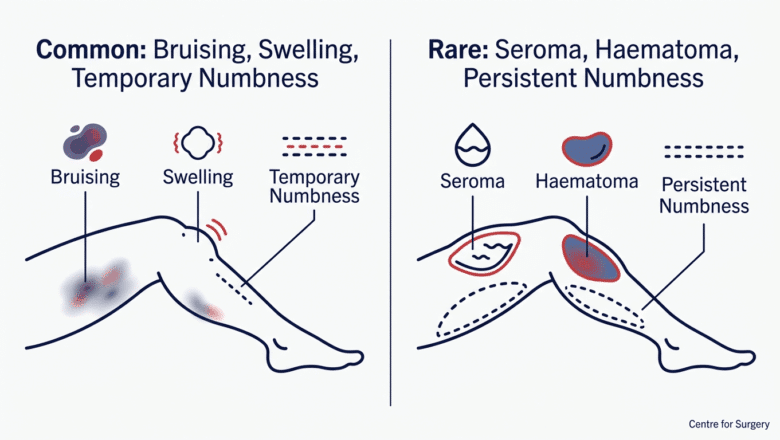
Choosing to have liposuction at Centre for Surgery should be based on a thorough understanding of the common risks and side effects involved with the procedure, and these include:
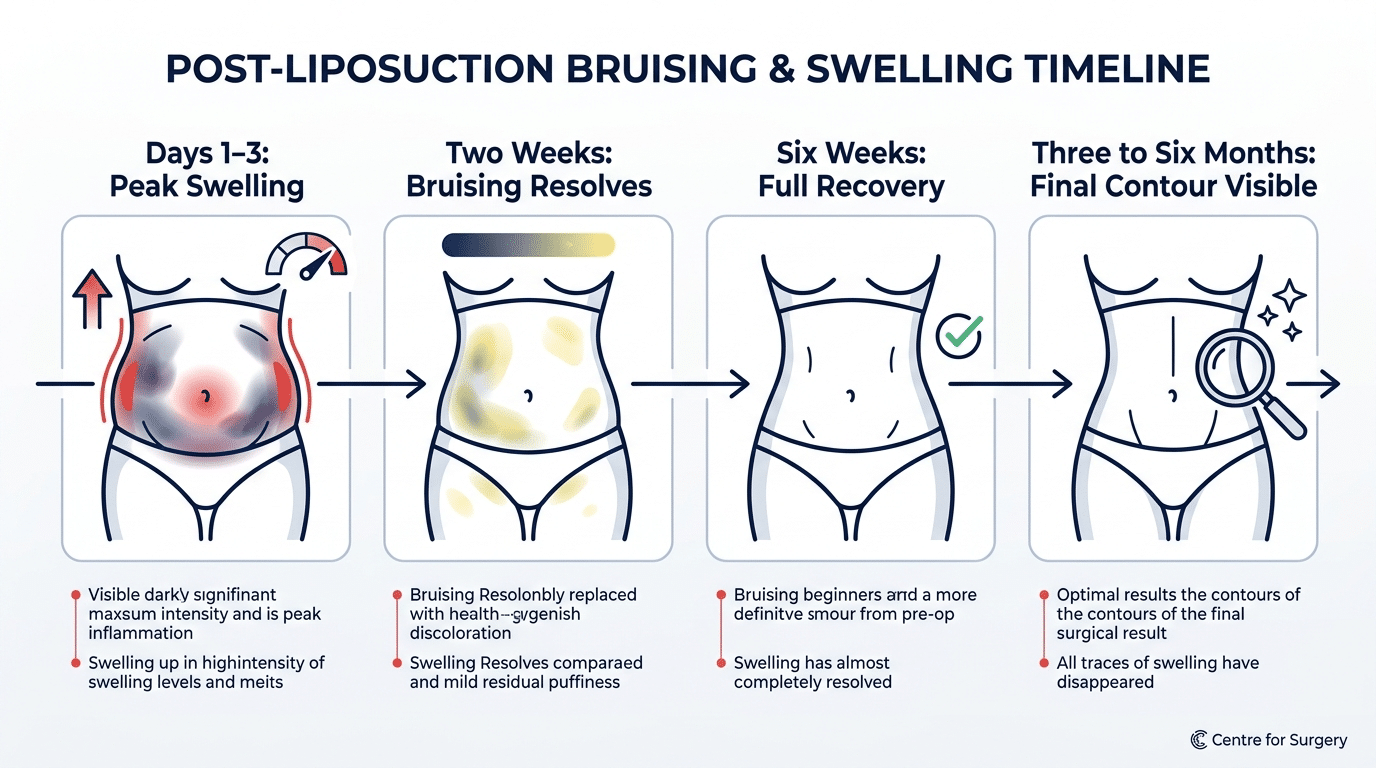
- Bruising and swelling, most evident during the first two weeks, though occasionally lasting between three and six months in some cases
- Temporary numbness, which usually settles entirely within six weeks
- Localised inflammatory changes that may cause temporary redness or discolouration of the overlying skin as bruising resolves
- Leakage of tumescent fluid from the small incisions during the first two days after surgery
- Swollen ankles after calf and ankle liposuction
- Swollen hands after arm liposuction
What Are the Rare Side Effects of Liposuction? Is Liposuction Safe?
When performed by an expert liposuction surgeon, liposuction is a very safe procedure — this genuinely is the honest answer to “is liposuction safe?” for the vast majority of appropriately selected patients. That said, there are several less common side effects your surgeon will discuss at consultation, including:
- Skin rippling with uneven or lumpy results
- Haematoma
- Seroma
- Persistent numbness lasting several months
- Localised skin discolouration
- Pulmonary embolism (a blood clot in the lungs)
- Pulmonary oedema from fluid overload
- Visceral organ injury — genuinely rare, and typically associated with deeper cannula placement than is used in modern, carefully controlled techniques
All types of surgery carry a risk of excessive bleeding, deep vein thrombosis, anaphylaxis, or wound infection. Thanks to the safety protocols used at Centre for Surgery, the risk of these complications is very low, and your surgeon will discuss every relevant risk with you individually at your face-to-face consultation before you decide to proceed.
Warning Signs That Need Urgent Medical Attention
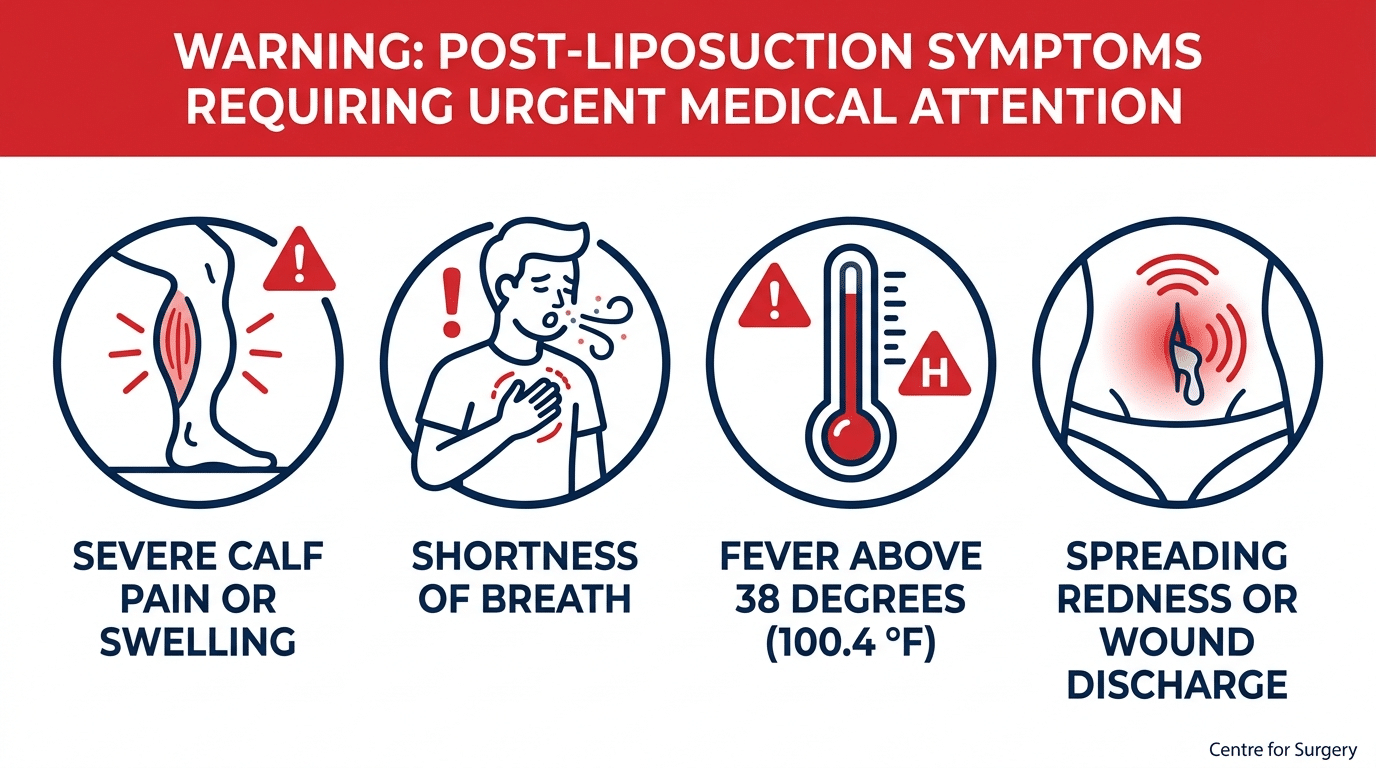
Most side effects after liposuction are normal and expected, but a small number of symptoms genuinely warrant urgent attention rather than waiting for your next scheduled check-in. Contact our nursing team immediately, or seek emergency care, if you experience:
- Severe calf pain or swelling, particularly in one leg — a possible sign of deep vein thrombosis
- Sudden shortness of breath or chest pain — a possible sign of pulmonary embolism, requiring emergency assessment
- A fever above 38°C
- Spreading redness, increasing pain, or discharge from an incision site — possible signs of wound infection
These complications are genuinely rare, but knowing what to watch for — and having your surgeon’s direct number for the first 24 hours, as standard with every procedure — means anything unusual is caught and managed quickly.
How Long Does Recovery Take After Liposuction?
At Centre for Surgery, liposuction is performed under TIVA (Total Intravenous Anaesthesia) for larger or combined-area procedures, or under local anaesthetic alone for smaller, more targeted areas such as MicroLipo — never a traditional gas-based general anaesthetic. All liposuction is performed as a day-case procedure, meaning you recover at home once your procedure is complete.
Most patients are fit enough to drive and return to work after one week. We recommend avoiding sexual activity for a minimum of two weeks, and while a full recovery is generally expected within six weeks, we advise avoiding strenuous exercise, including the gym, for that same period. You’ll need to wear your compression garment for at least six weeks to support healing, minimise swelling, and protect your final result. You can learn more in our liposuction recovery guide.
How Does the Body React After Liposuction?
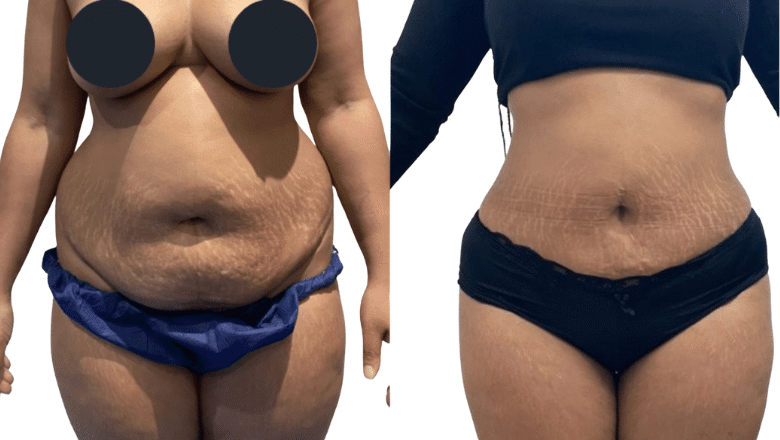
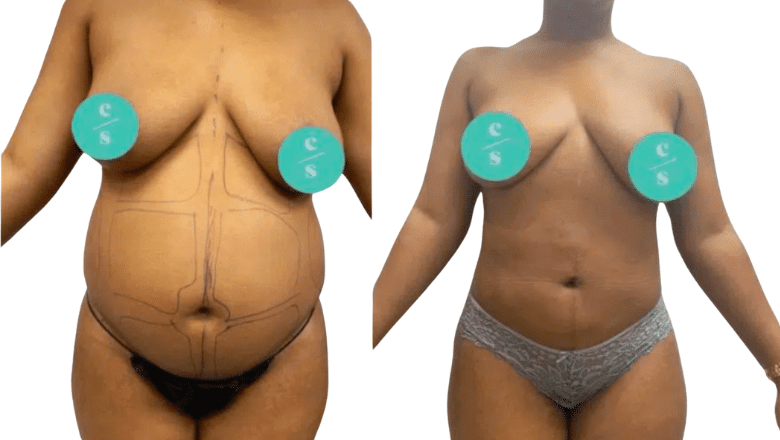
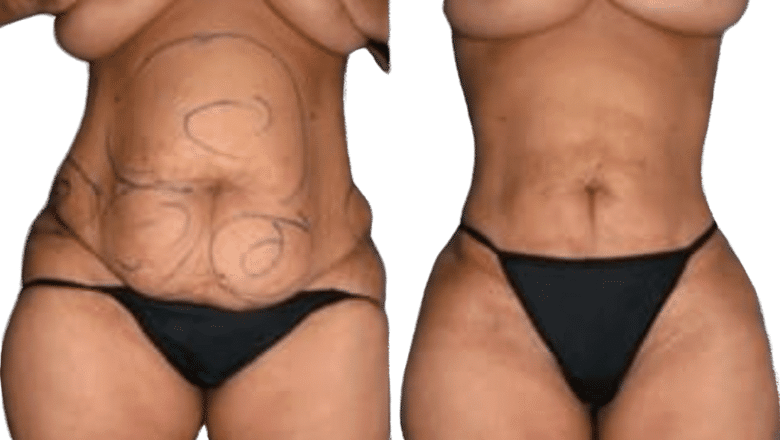
Liposuction can safely remove up to 5 litres of fat in a single treatment. In cases where more than 3 litres is removed, swelling and fluid retention are common and may cause a temporary bloated sensation, which settles within a couple of days. Once swelling has fully resolved, you’ll see your final result. Bruising after liposuction is very common and completely harmless, with full resolution typically expected within 10 to 14 days. Once bruising and swelling have settled, the treated areas will appear more contoured, firmer to the touch, and more sculpted.
SEE ALSO: Liposuction Before And After Photos
Liposuction Risks and Complications: Does Technique Choice Matter?
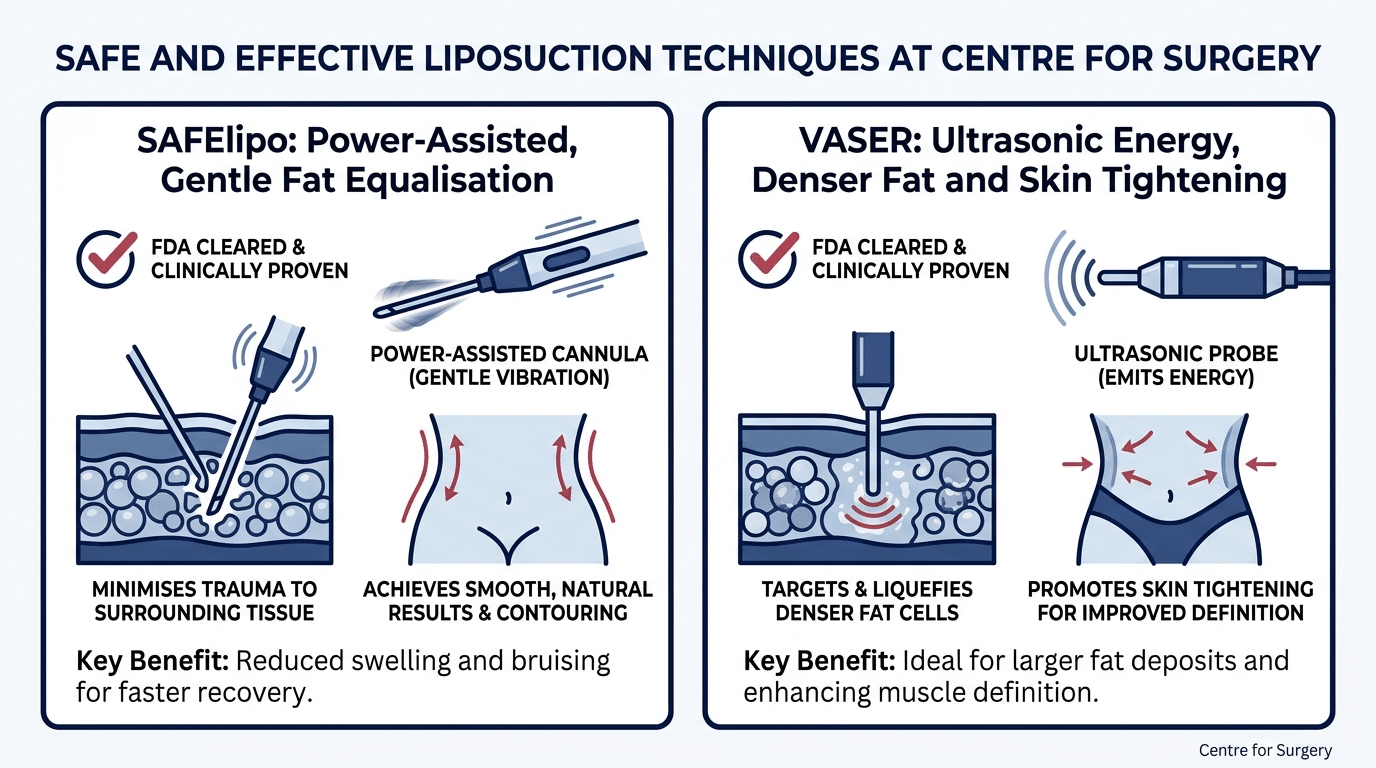
Centre for Surgery uses proven, well-established liposuction techniques with a strong safety track record. Our surgeons perform both power-assisted liposuction (PAL), a refined three-stage technique combining tumescent preparation, power-assisted fat removal and fat equalisation, and VASER liposuction, which uses ultrasonic energy to emulsify denser or more fibrous fat before it’s gently suctioned out.
Both techniques are genuinely safe when performed by an experienced surgeon, and your surgeon will recommend the right one for your anatomy — PAL for most areas, VASER where fat is particularly dense or fibrous, such as the waist, flanks, or male chest, or where a modest additional skin-tightening effect is desired. Neither technique carries a meaningfully different risk profile in experienced hands; the differences that matter are about which suits your tissue, not one being inherently riskier than the other.
We also offer BodyTite and Argo Plasma for body skin tightening, both of which can be combined with PAL or VASER in the same procedure for patients with mild to moderate skin laxity. Liposuction alone doesn’t tighten skin, and BodyTite or Argo Plasma can tighten skin without needing more invasive surgery such as a tummy tuck.
A note on technique choice: we don’t offer laser-assisted liposuction (SmartLipo) at Centre for Surgery. It was more commonly used a decade or so ago, but VASER and BodyTite now achieve comparable or better results with a more established modern safety profile, which is why we’ve moved away from laser-based techniques in favour of these more current alternatives.
Frequently Asked Questions
Is liposuction safe?
Yes, for appropriately selected patients treated by an experienced consultant plastic surgeon. Serious complications are genuinely rare, and the common side effects — bruising, swelling, temporary numbness — are a normal, expected, and manageable part of recovery rather than a sign of anything going wrong.
What are the most common liposuction side effects?
Bruising and swelling are by far the most common, typically resolving within two weeks, alongside temporary numbness that usually settles within six weeks. These are expected parts of healing, not complications.
What are the biggest liposuction risks to be aware of?
The rare but more serious risks include seroma, haematoma, persistent numbness, and — very rarely — blood clots or fluid overload. Your surgeon will discuss your individual risk profile at consultation, and our safety protocols keep the likelihood of these complications very low.
What liposuction complications require immediate medical attention?
Severe calf pain or swelling, sudden shortness of breath, a fever above 38°C, or spreading redness or discharge from an incision site all warrant urgent assessment rather than waiting. You have your surgeon’s direct number for the first 24 hours after your procedure for exactly this reason.
Is VASER liposuction riskier than traditional liposuction?
No — in experienced hands, both power-assisted liposuction and VASER carry a similarly low risk profile. The right choice for you depends on your tissue type and goals, not on one technique being inherently safer than the other.
Liposuction at Centre for Surgery
Liposuction at Centre for Surgery is performed by GMC-registered plastic surgeons, at our CQC-regulated Baker Street facility, rated Good overall. Our medical content is reviewed by Specialist Plastic Surgeon Dr Spyridon Vlachos (GMC 7522950).
If you would like to learn more about liposuction side effects and how these are effectively managed during and after your procedure, speak to us today at 020 7993 4849 or complete the contact form below to book a face-to-face consultation with one of our expert liposuction surgeons at our Baker Street clinic in Marylebone, central London.