


In this guide2 sections
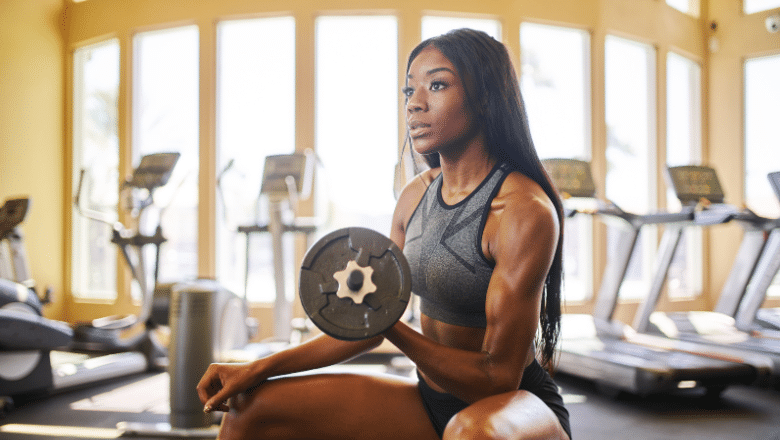
In this guide, we’re going to talk about breast implants specifically for women who train seriously — weightlifters, bodybuilders, fitness competitors, and anyone with significant upper-body muscle mass. We’ve treated many women in this category over the years, and their needs genuinely differ from the general patient population: implant placement decisions, recovery timelines, and long-term considerations all interact differently with a muscular, athletic frame than they do for less active patients. This guide covers what’s genuinely different about breast augmentation for athletic women, and the specific factors worth discussing at consultation.
Making Confident Choices: Understanding Breast Implants for Athletic Women
Opting for breast implants is a personal choice, not a decision anyone needs to justify. Many of our patients have spent a considerable part of their lives feeling their proportions weren’t quite in sync with the physique they’d built through training, which is a completely valid reason to consider augmentation — distinct from, and no less legitimate than, any other motivation.
Athletic and muscular women considering augmentation tend to approach the decision methodically — weighing options carefully, setting realistic expectations, and wanting specific answers about how surgery interacts with an established training routine rather than generic guidance. This is exactly the kind of detail worth getting right at consultation.
1. Discuss Your Fitness Routine With Your Surgeon in Detail
Your specific training split, the muscle groups you load most heavily, and your goals for returning to full training all genuinely affect both your recovery plan and your implant placement decision. Being specific — not just “I go to the gym” but “I bench press three times a week and compete in powerlifting” — allows your surgeon to give advice tailored to your actual training demands rather than a generic recovery timeline.
2. Limited Exercise During Recovery Is Temporary, Not Permanent
At Centre for Surgery, gentle exercise can typically begin around two weeks after surgery, with a full return to intense upper-body training, running, and other high-impact activity generally recommended from around the four-week mark, extending further for competitive lifters returning to maximal loads. Your body is genuinely healing during this period in a way comparable to recovering from any significant soft-tissue injury — rushing back into heavy training too early doesn’t just risk discomfort, it can genuinely affect your surgical result.
3. Which Exercises Carry the Most Risk During Recovery
Not all exercise carries equal risk to your results during the healing period. Movements that heavily load the pectoral muscles — bench press, chest press, push-ups, and overhead pressing — place direct strain on exactly the tissue and muscle your implant sits against or beneath, and are generally the last movements cleared for a full return. Pulling movements and lower-body training typically carry lower risk and are often reintroduced earlier, though always on your surgeon’s specific guidance rather than a generic split.
This matters beyond simple discomfort: returning to heavy pectoral loading too early is one of the genuine risk factors for implant displacement, since the pocket needs time to properly heal and support the implant before it’s placed under significant muscular strain again. This is a real, avoidable risk specific to patients who train seriously — worth being genuinely patient about, even if it means a longer break from certain lifts than you’d like.
4. Over the Muscle or Under the Muscle? Individual Considerations Matter
One of the key decisions for any augmentation patient is whether the implant sits over or under the chest muscle — and for athletic women specifically, this decision interacts with training in a way it doesn’t for less active patients.
Placing the implant under the muscle (submuscular or dual-plane) often gives a more natural look, particularly for leaner women with less existing breast tissue — common among serious athletes and bodybuilders. The trade-off is that strong pectoral contractions, of exactly the kind involved in heavy pressing movements, can cause visible or felt movement of the implant during flexing, sometimes called “animation deformity.” This is a cosmetic effect rather than a safety issue, but it’s worth knowing about and discussing directly if it matters to you, since some patients find it more noticeable than others.
Placing the implant over the muscle (subglandular) avoids this animation effect entirely, since the implant isn’t affected by muscle contraction, but requires sufficient existing breast tissue coverage to look and feel natural — which is why it’s used less often in leaner, more muscular patients, though it remains a genuine option worth discussing if animation deformity is a significant concern for you.
There’s no single right answer — the appropriate placement depends on your existing tissue, your specific training demands, and how much animation effect you’re comfortable with. This is very much a conversation to have in detail at consultation rather than a decision to make from general research alone.
5. Long-Term Considerations for Ongoing Training
Beyond the initial recovery period, it’s worth having an honest conversation with your surgeon about your long-term training goals. Significant changes in muscle mass or body fat percentage over time — common for competitive athletes who cut and bulk in training cycles — can affect how your results look and feel over the years, distinct from how any implant might change in a less physically active patient. This isn’t a reason to avoid augmentation if you’re a serious athlete, but it’s genuinely useful context to factor into your expectations from the outset, and worth raising directly at your consultation.
Breast Augmentation for Athletic Women at Centre for Surgery
Our plastic surgeons are registered with the General Medical Council, with genuine experience treating bodybuilders, fitness competitors, and athletic patients whose training routines require a more tailored approach to placement and recovery planning than a generic augmentation timeline. Breast augmentation is performed under TIVA (Total Intravenous Anaesthesia) at our CQC-regulated Baker Street facility, rated “Good” overall by the Care Quality Commission.
Frequently Asked Questions
How soon can I go back to bench pressing after breast augmentation?
Heavy pectoral-loading exercises like bench press are typically among the last movements cleared, often from around four to six weeks post-surgery depending on your individual healing and your surgeon’s assessment — returning too early raises the risk of implant displacement.
Will breast implants move when I flex my chest muscles?
With submuscular or dual-plane placement, some visible movement during pectoral contraction — known as animation deformity — is a recognised, non-dangerous cosmetic effect. Subglandular (over the muscle) placement avoids this entirely, though it requires adequate natural tissue coverage to suit.
Can I still compete in bodybuilding or powerlifting after breast augmentation?
Many athletic patients return to full competitive training after proper healing. The main considerations are allowing sufficient recovery time before resuming maximal pectoral loading, and discussing placement options that suit your specific training demands at consultation.
Contact Us for a Consultation
To book a consultation and discuss which breast implant placement is right for your training routine:
- Phone: 020 7993 4849
- Email: contact@centreforsurgery.com
Your initial in-person consultation fee is redeemable against the cost of surgery if you proceed.

Related Articles
- Can Breast Implants Cause Back Pain?
- Can Breast Reduction Help Prevent Breast Cancer?
- Can You Get Breast Implants Under Local Anaesthetic?
- How to Avoid Boob Greed with Breast Augmentation
- Breast Augmentation Recovery and Aftercare
- Over Muscle vs Under Muscle: Best Placement for Breast Implants
- Breast Implant Options






