


In this guide15 sections
- Key Points
- Can You Get Breast Implants Under Local Anaesthetic?
- What Anaesthesia Is Used for Breast Implant Surgery?
- Is Breast Augmentation Under Local Anaesthetic Safe?
- Does Breast Augmentation Under Local Anaesthetic Hurt?
- What Happens During Awake Breast Augmentation?
- Who Is Suitable for Breast Implants Without General Anaesthesia?
- Benefits and Risks of Awake Breast Augmentation
- Breast Augmentation Before and After Photos
- Is the MIA Femtech 15-Minute Boob Job the Same as Awake Breast Augmentation?
- Breast Augmentation Recovery After Local Anaesthetic or TIVA
- What Happens at a Breast Augmentation Consultation?
- Frequently Asked Questions
- Breast Augmentation in London
- References
Key Points
- Can you get breast implants under local anaesthetic? Yes, for suitable patients. The chest is numbed and sedation keeps you relaxed, so you are awake but comfortable. It is one option, not an automatically better one than being asleep.
- The evidence is reassuring but limited. Large case series from specialist centres report no switches to general anaesthesia and low major complication rates[1][2], but none compares awake and asleep surgery head to head.
- Our standard is TIVA. Breast augmentation at Centre for Surgery is normally a day case under total intravenous anaesthesia (TIVA), taking around 90 minutes. If you would prefer to stay awake, raise it at your consultation.
- Suitability matters. Smaller to moderate implants, a straightforward operation, good general health and a calm temperament make an awake approach more realistic.
- Recovery follows the same pattern either way. Most people are back at a desk and driving within 7 to 10 days, with full exercise after the six-week review.
- Costs are confirmed after consultation, once your surgeon and anaesthetist agree the plan. Finance options are available.
Breast implants under local anaesthetic are possible, and more patients are asking about them, usually because the thought of general anaesthesia worries them. Awake breast augmentation numbs the chest and uses sedation so that you stay relaxed, rather than putting you to sleep. This guide explains how it works, what the published evidence shows, who it suits and how it compares with the TIVA approach used for breast augmentation at Centre for Surgery.
Searches such as awake boob job, breast implants while awake and breast augmentation without general anaesthetic all ask the same thing: do you have to be asleep? We answer that honestly, including where an awake approach has limits. For the anaesthetic options across all our procedures, see our guide to anaesthesia for cosmetic surgery.
If you are still comparing options, our guides to breast implant sizes and implants over or under the muscle cover two decisions that affect how long surgery takes, and therefore which anaesthetic is realistic.
Can You Get Breast Implants Under Local Anaesthetic?
Yes. Breast augmentation can be performed under local anaesthetic with sedation, and the technique is well described in the medical literature. A 2026 multicentre analysis of 1,644 consecutive augmentations ↗ in the Journal of Clinical Medicine, all done under tumescent local anaesthesia with conscious sedation and no general anaesthetic, reported that every operation was completed without switching to general anaesthesia, with a major complication rate of 4.74%[1]. A 2013 series of 461 breast implant patients under conscious sedation ↗ in Plastic and Reconstructive Surgery found that no patient needed a deeper level of anaesthesia and the overall complication rate was 4.34%[2].
The NHS notes that breast implant surgery is usually carried out under general anaesthetic ↗, so awake surgery is the less common route. Whether it is right for you depends on the operation planned and your anaesthetist’s assessment as well as your preference. Awake does not mean unmedicated: our guide to twilight sedation in cosmetic surgery explains what sedation does and where it works.
What Anaesthesia Is Used for Breast Implant Surgery?
Three approaches are used for breast augmentation in the UK, and a consultant anaesthetist helps choose between them.
Local anaesthetic with sedation
Local anaesthetic is injected around the breast and chest wall so the area is numb. A sedative given through a drip makes you relaxed and often drowsy. You breathe on your own and can usually respond when spoken to. Some surgeons add nerve blocks that numb the chest wall, such as pectoral (PECS) or intercostal blocks. In a 2021 randomised trial of 73 women having augmentation under general anaesthesia, a pectoral nerve block lowered pain scores and opioid use over the first days after surgery[7], and a 2023 meta-analysis of randomised trials reached a similar conclusion[8].
TIVA: asleep with total intravenous anaesthesia
At Centre for Surgery most operations, including breast augmentation, are performed with you asleep under TIVA. It is given through a cannula with no anaesthetic gases, a consultant anaesthetist monitors you throughout, and waking is typically quick with less nausea. Our guide to what TIVA anaesthesia is explains why we use it.
General anaesthesia with inhaled gases
This is the traditional alternative and is still widely used. You are asleep and a breathing tube or airway device is placed. It suits longer or more complex operations, and some people simply prefer to be unaware of the surgery.
Is Breast Augmentation Under Local Anaesthetic Safe?
In experienced hands and carefully selected patients, the published series describe it as safe. A 2019 series of 1,541 aesthetic breast operations under cold tumescent anaesthesia, 762 of them augmentations, reported a mean augmentation operating time of 37 minutes, no conversions to general anaesthesia and discharge within three hours for every patient, with capsular contracture in 0.8%[3]. A series of 171 patients using intercostal blocks and intravenous sedation reported no serious complications or hospital admissions, with postoperative nausea in 10.6% of those having augmentation alone[4]. A 2022 Danish series of 335 women ↗ concluded that augmentation under local anaesthetic with light sedation can be performed safely, although 16.1% had a reoperation over an average two years, mostly for cosmetic reasons[5].
There are important caveats. These are retrospective case series from specialist centres. They show that awake surgery can be done safely in selected patients, but they cannot show that it is safer than general anaesthesia, and results depend heavily on the team. Sedation has its own risks, including slowed breathing and drug reactions. In a 2012 randomised trial of 40 women sedated with propofol, a paravertebral block gave better cooperation and less pain at home than surgeon infiltration alone, but the authors cautioned that its added risks matter, particularly outside a hospital[6]. Choosing local anaesthetic also does not change the risks of the implants themselves, covered in our guides to breast implant safety and common breast implant problems.

Does Breast Augmentation Under Local Anaesthetic Hurt?
Most patients describe pressure and tugging rather than pain once the chest is numb. The injections of local anaesthetic are the uncomfortable part, which is why sedation is given first. The numbness wears off over a few hours, so pain relief is taken before it fades. After that, discomfort follows the usual pattern for any augmentation: tightness and soreness for the first week that paracetamol usually controls. Our guide to how painful breast augmentation is goes through it day by day.
What Happens During Awake Breast Augmentation?
A typical awake augmentation follows four steps.
- Review and marking. Your anaesthetist checks your health and medicines, and your surgeon marks the incision and implant position.
- Sedation and numbing. A sedative is given through a cannula, then local anaesthetic is injected into the breast and chest wall.
- Implants placed. Through an incision in the fold beneath the breast, the surgeon creates a pocket and places the implant. Our guide to breast augmentation incisions compares the options.
- Recovery and discharge. You rest, have something to eat and drink, and go home the same day with a responsible adult.
For comparison, under TIVA at Centre for Surgery the operation takes around 90 minutes through a 3.5 to 5 cm incision in the fold, with dissolvable stitches.
Who Is Suitable for Breast Implants Without General Anaesthesia?
An awake approach is more realistic if you:
- are in good general health (we only operate on patients with an ASA score of one or two) and have a BMI below 30;
- do not smoke, as smoking affects healing and anaesthesia;
- are planning a straightforward first augmentation with smaller to moderate implants;
- feel calm enough to lie still for an hour or two while awake.
It is less suitable if you have marked anxiety about needles or being aware during surgery, are planning larger implants or a more extensive pocket, or need a combined operation or revision. In the 2026 analysis, placing implants under the muscle took longer (141 against 90 minutes) and caused more haematomas (3.51% against 1.83%) than placing them above it[1]. Augmentation with a breast lift has been reported awake too, but takes longer[4]. Age alone is not the deciding factor, and our guide to the best age for breast augmentation explains how timing is judged.
Benefits and Risks of Awake Breast Augmentation
The main benefit is avoiding general anaesthesia for people who dread it or have a reason to avoid it. Some patients also like being able to talk to the team. The gain over TIVA may be smaller than expected, as TIVA already gives a quick wake-up with low rates of nausea. The risks of the operation itself, including capsular contracture, rupture, rippling and the possibility of replacement later, are identical whichever anaesthetic you choose. The practical downsides of awake surgery are the injections, the sounds and sensations of surgery, and the small chance that sedation needs to be deepened or the plan changed on the day.
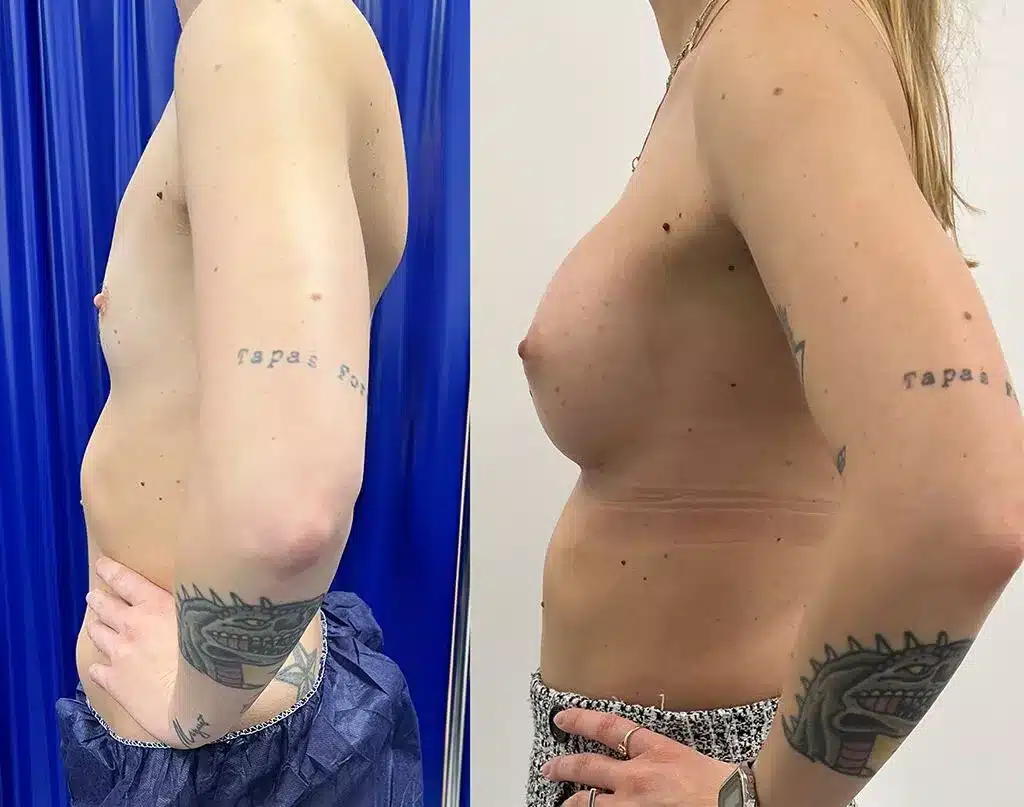
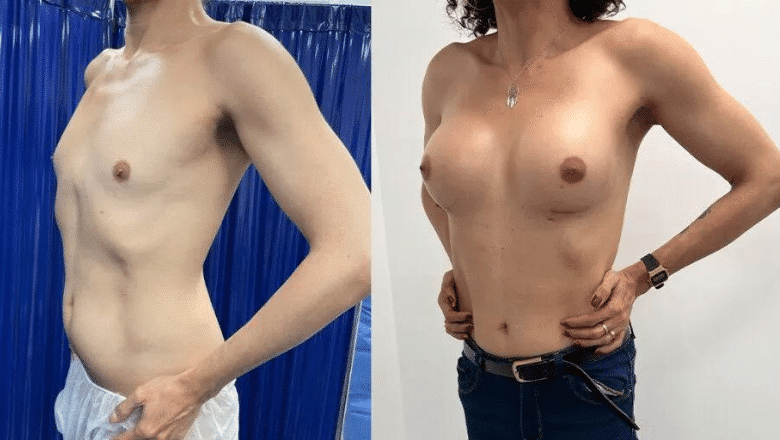
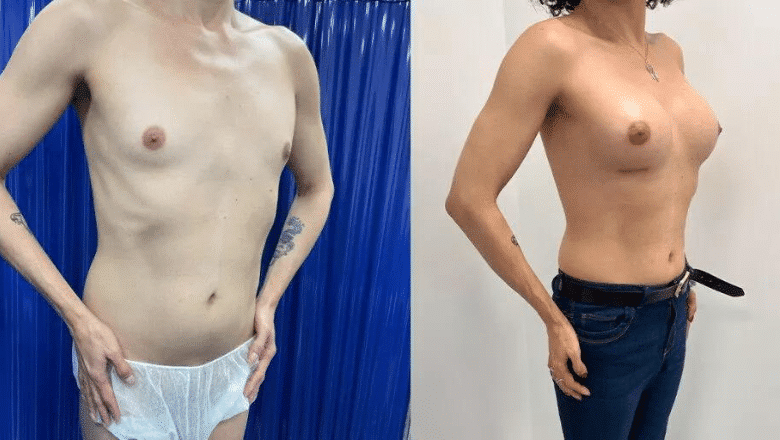
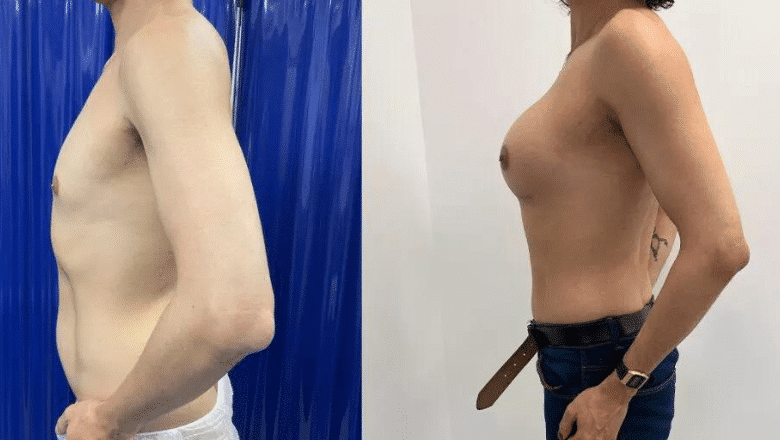
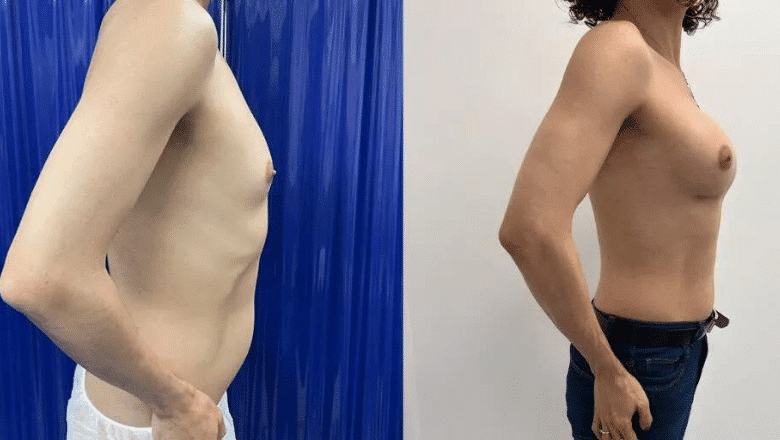
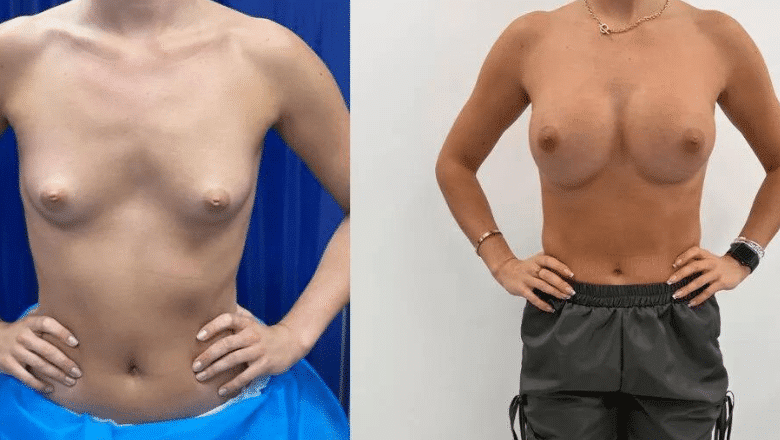
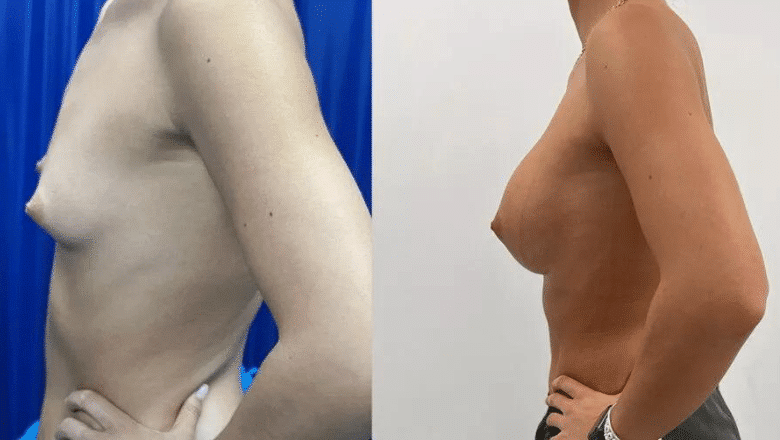
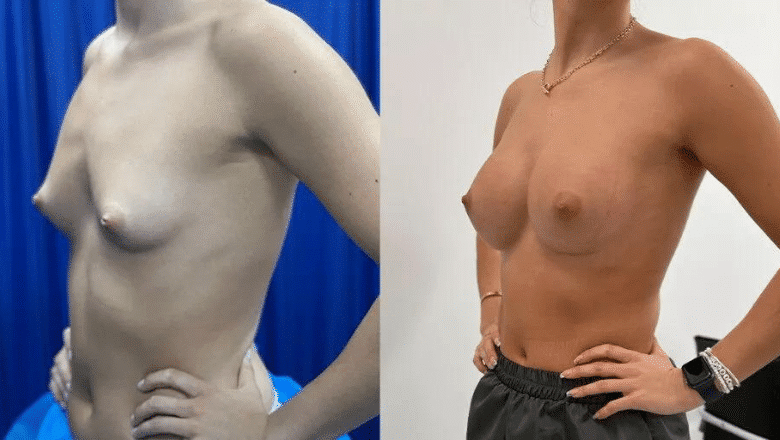
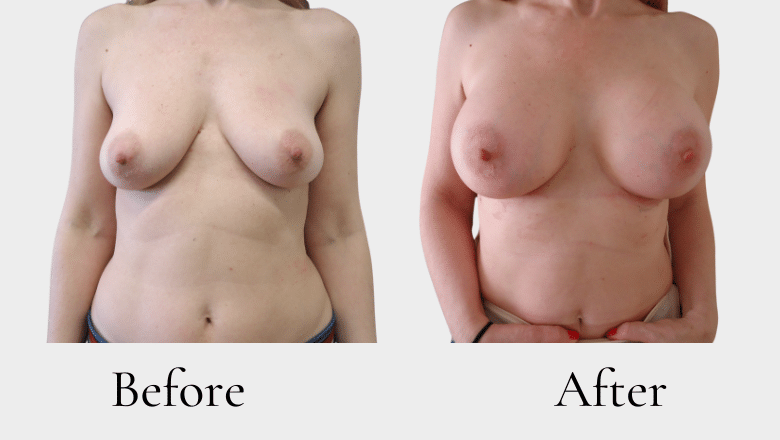
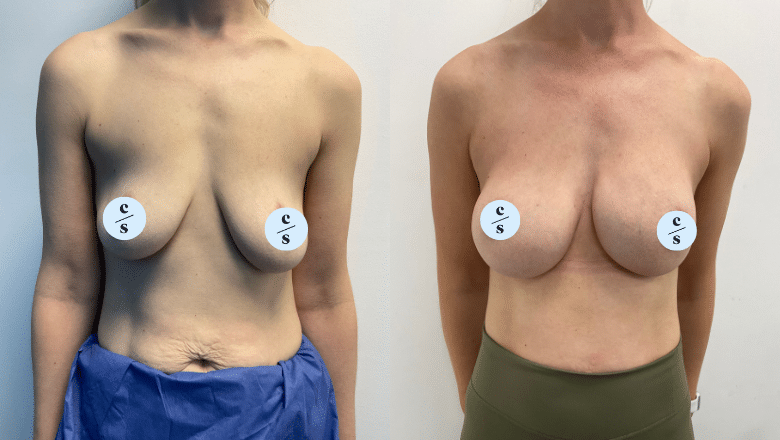
Breast Augmentation Before and After Photos
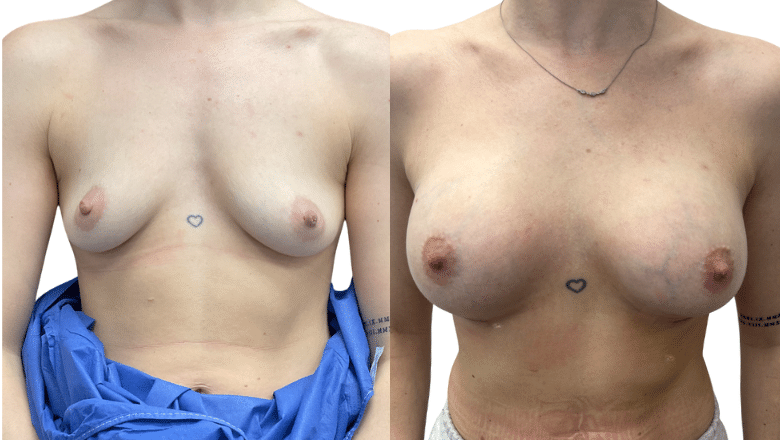
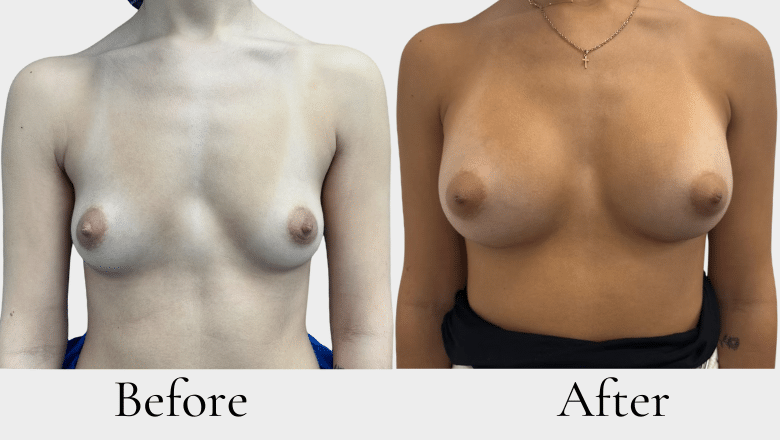
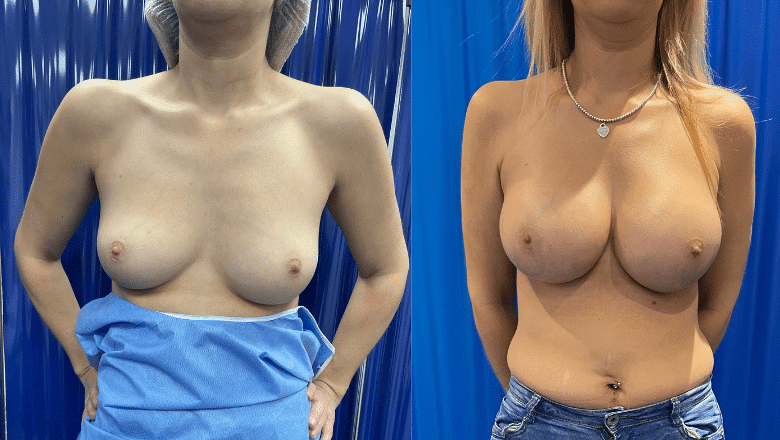
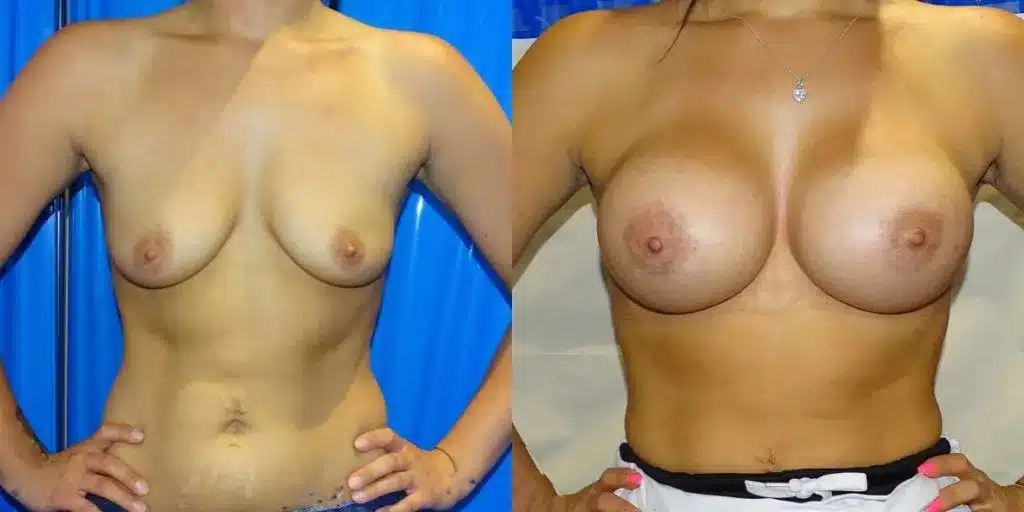
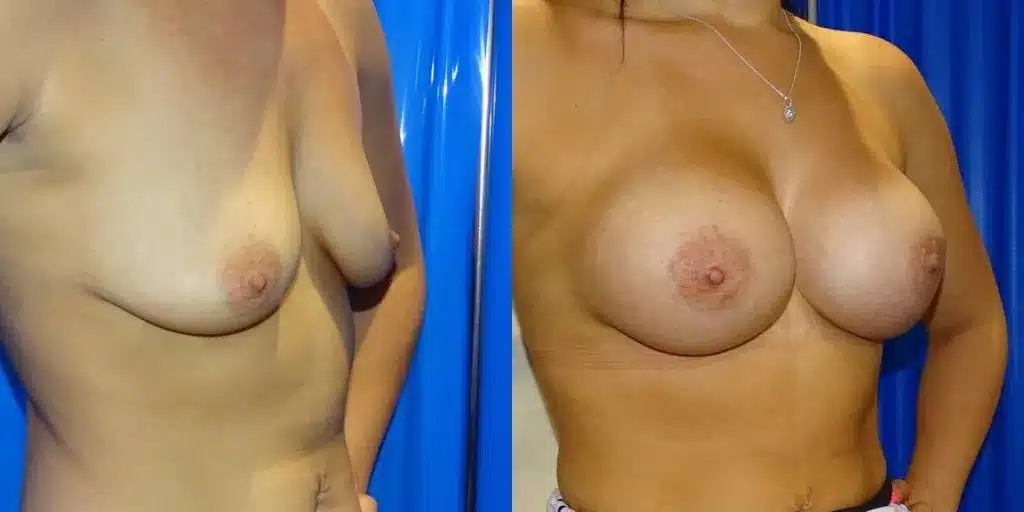
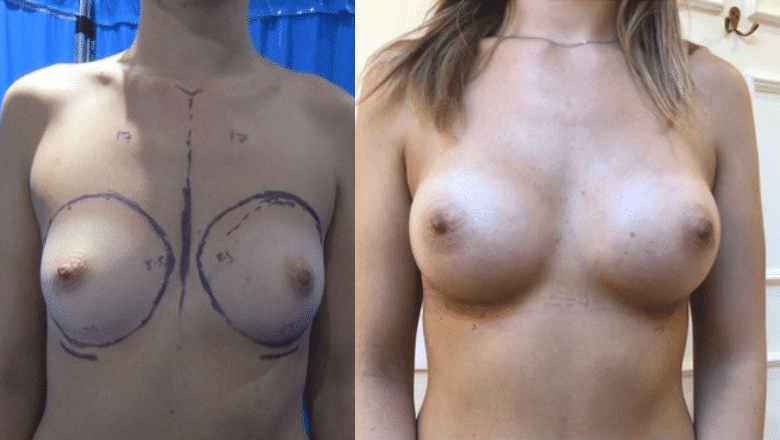
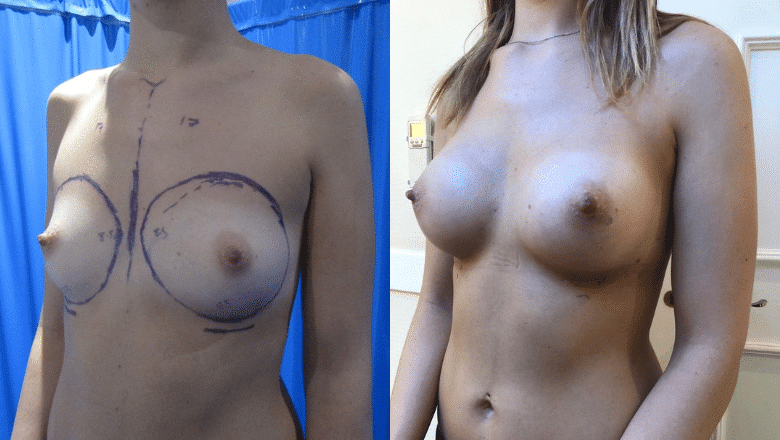
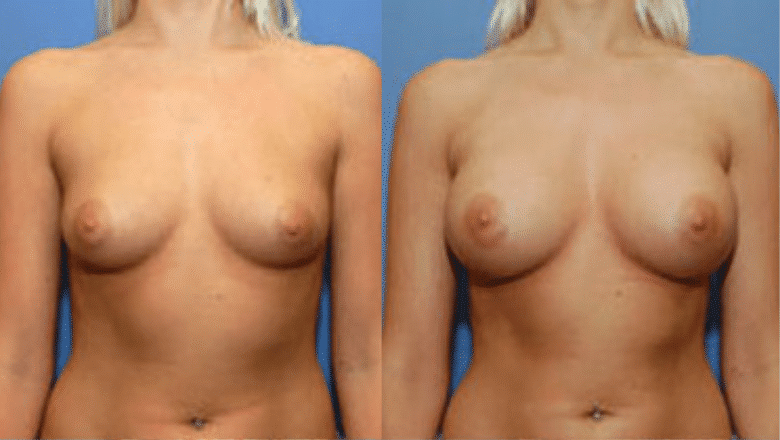
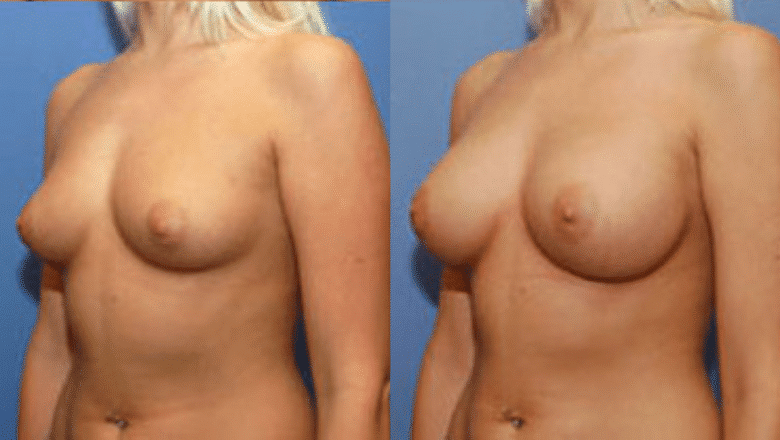
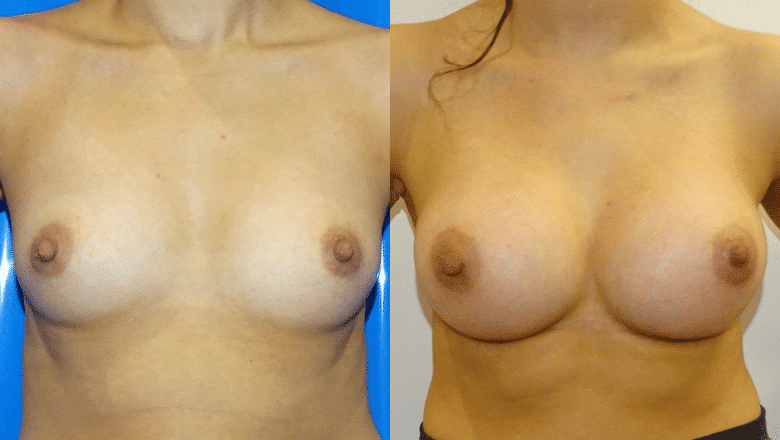
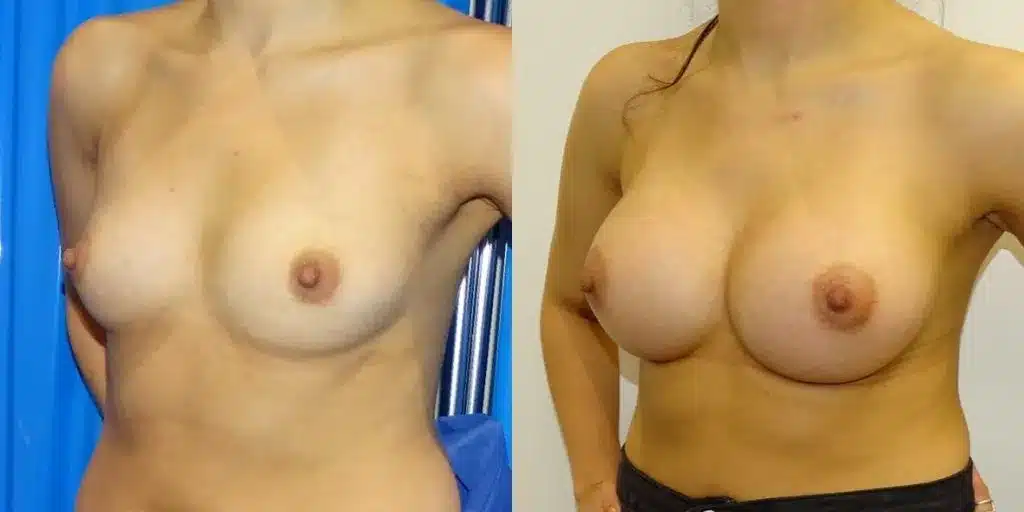
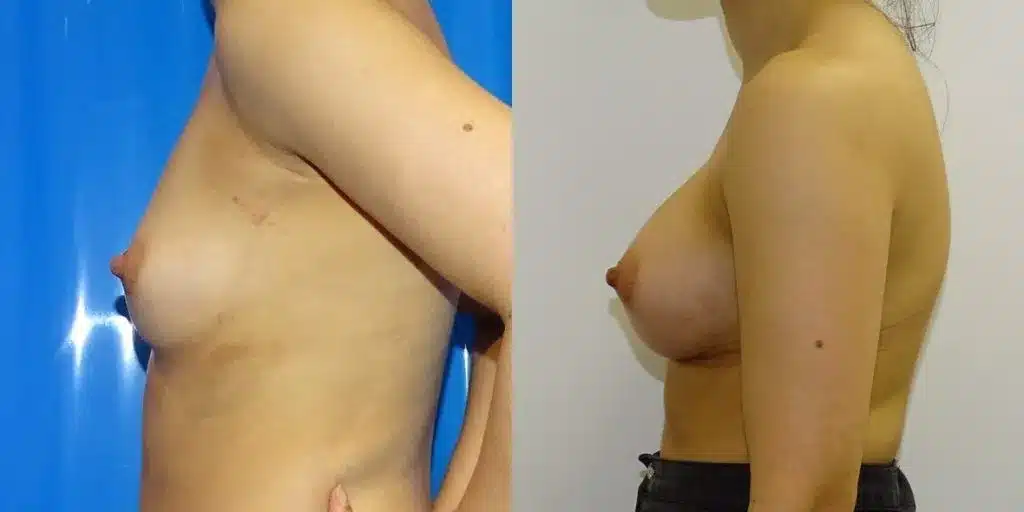
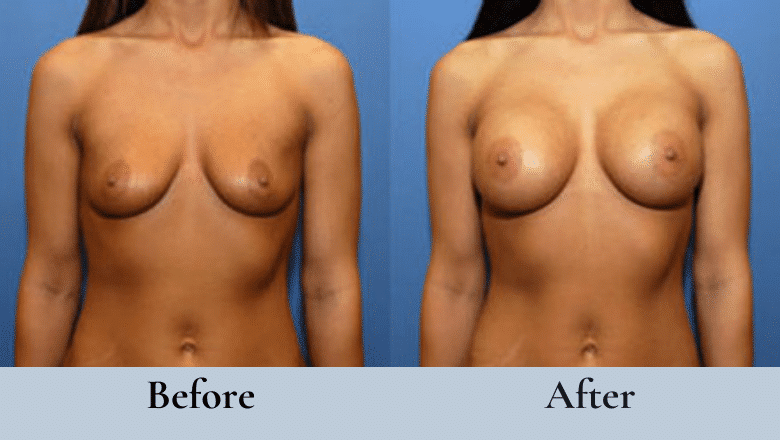
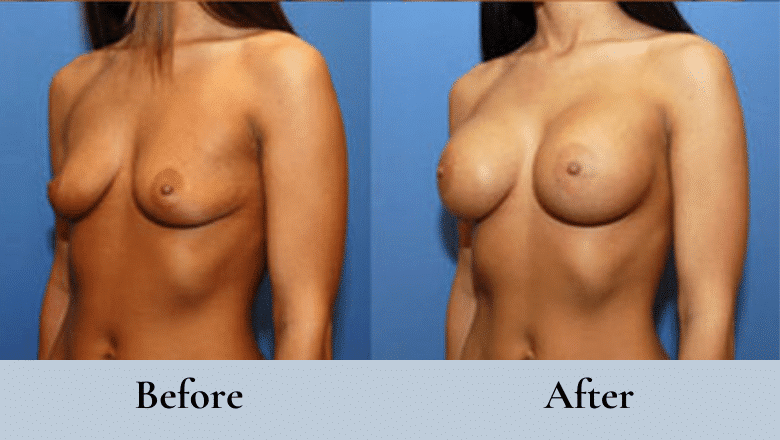
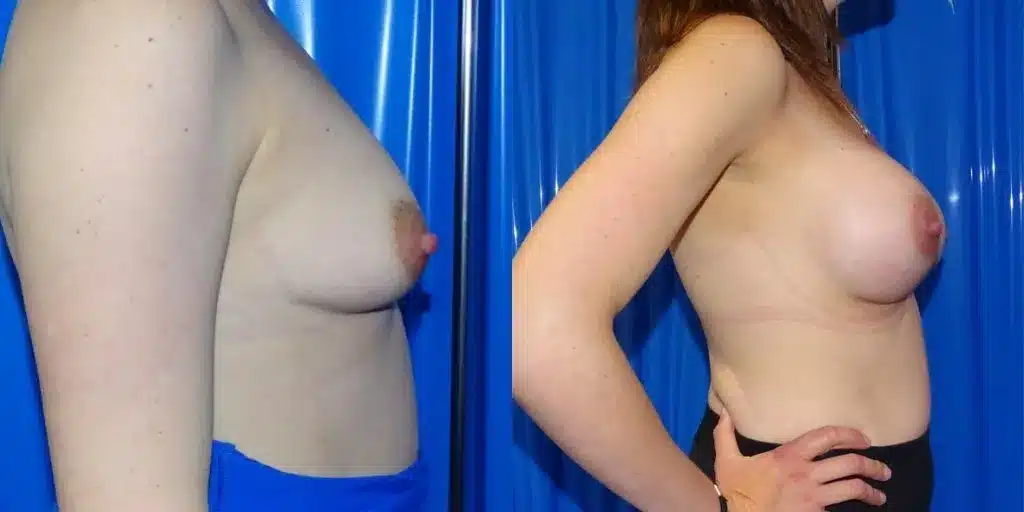
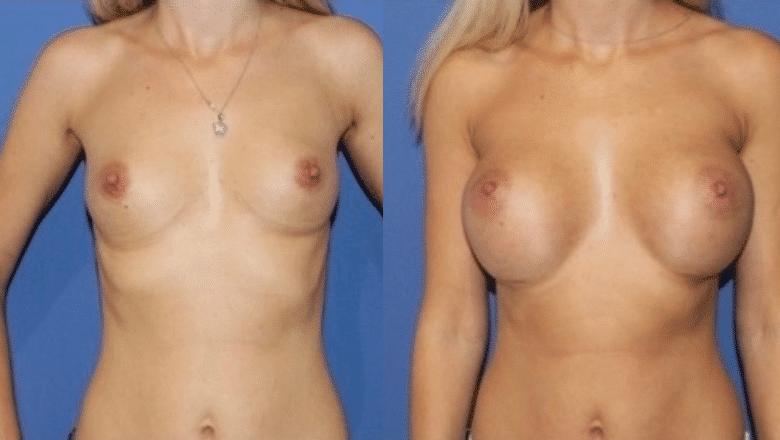
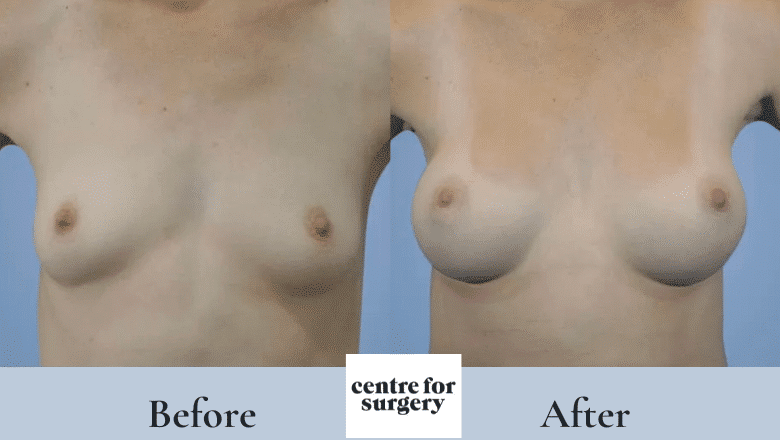
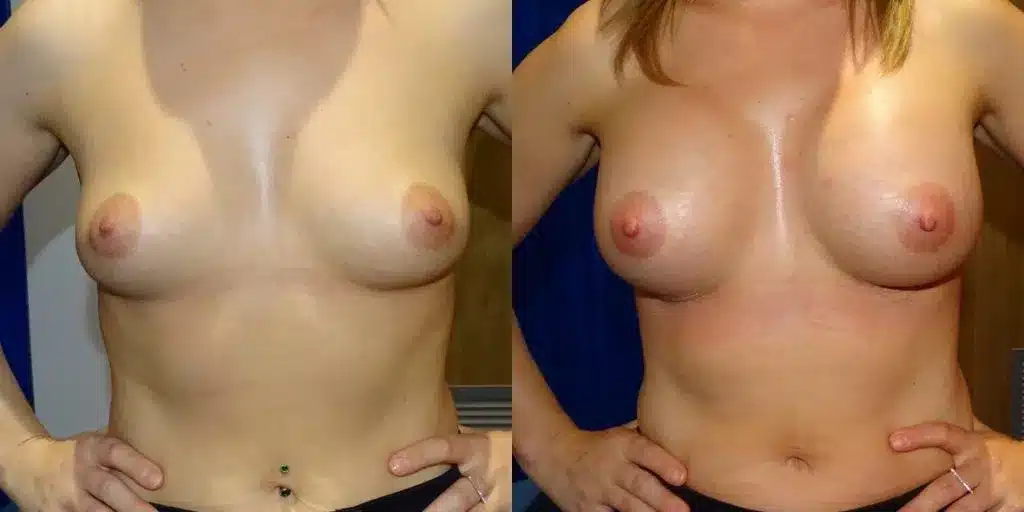
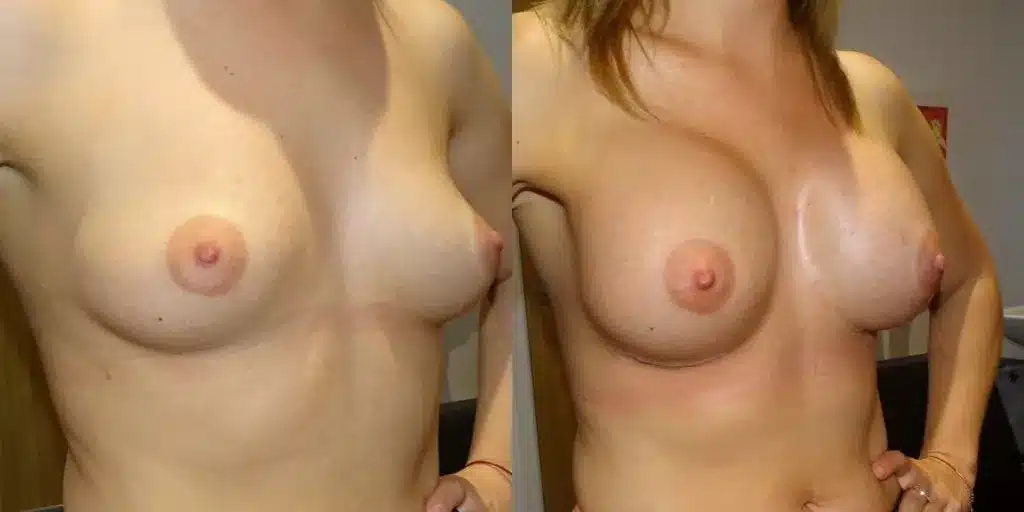
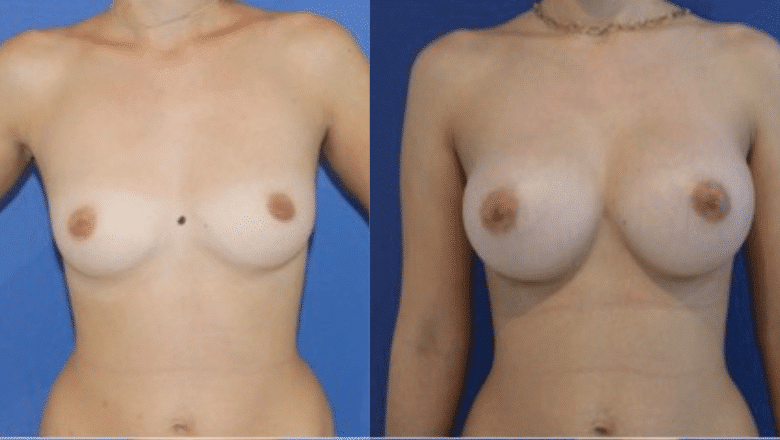
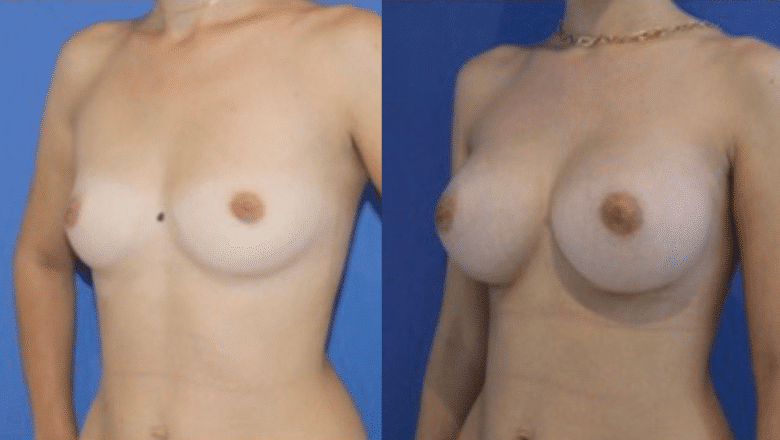
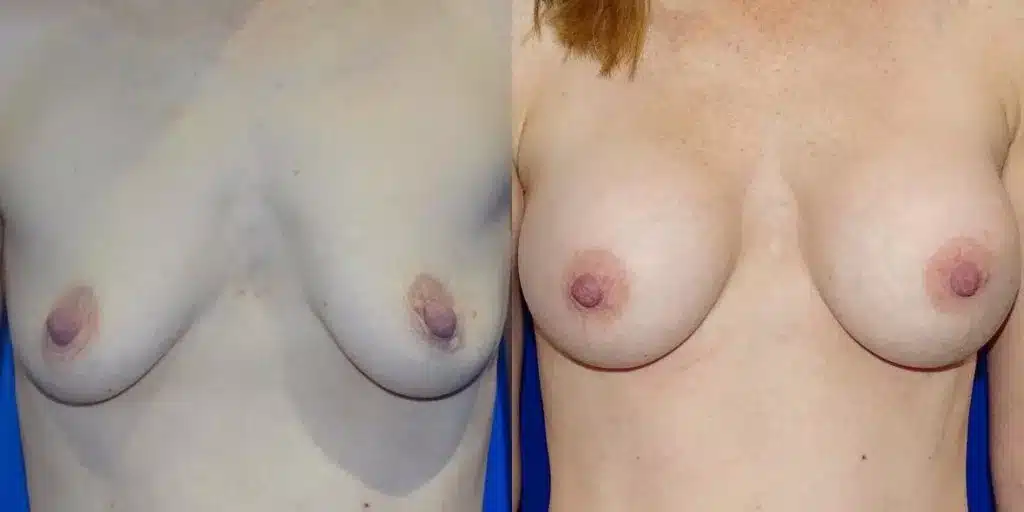
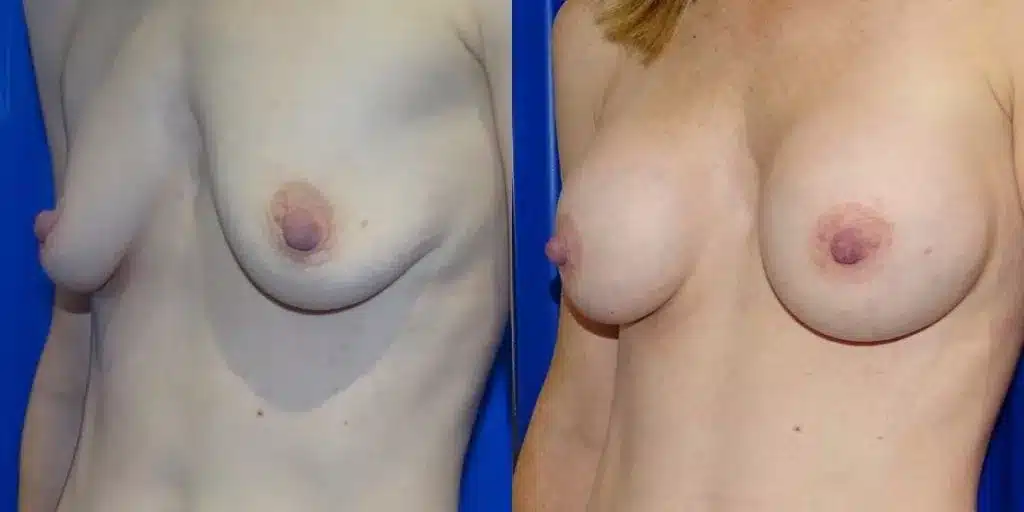
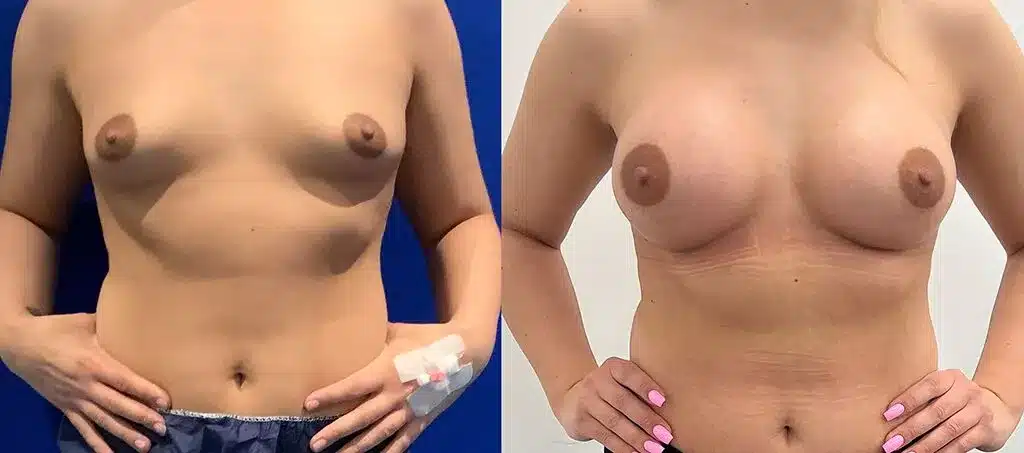
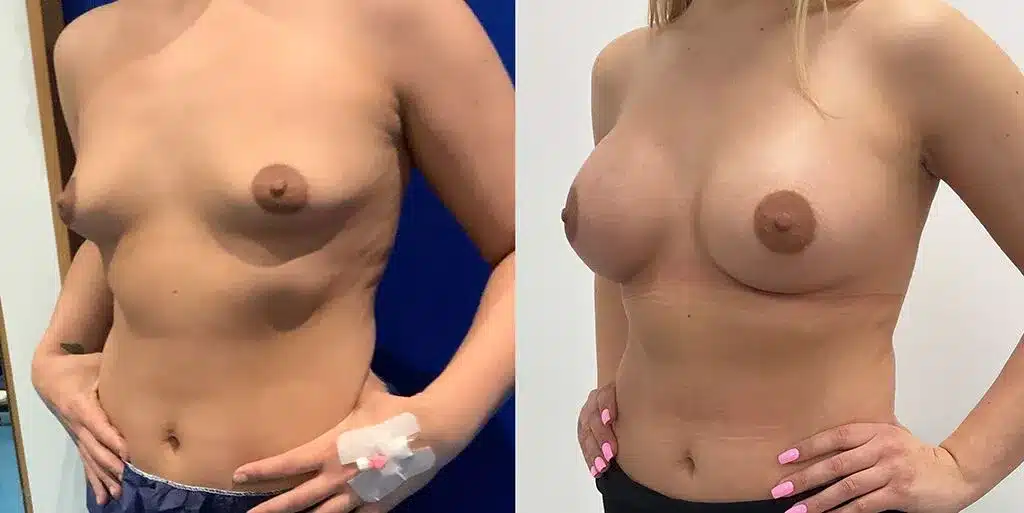
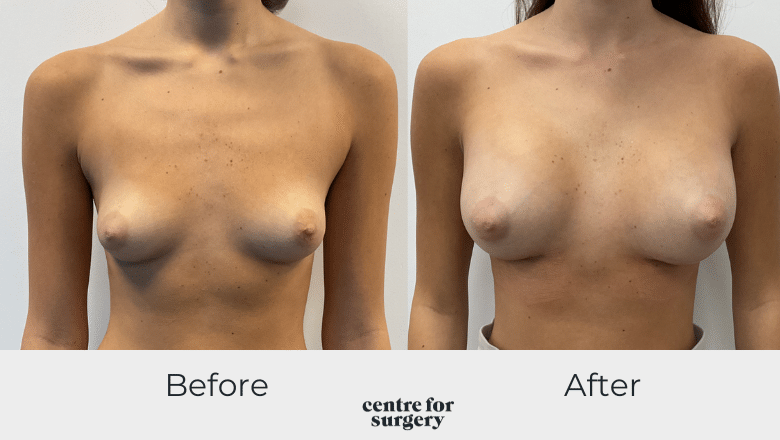
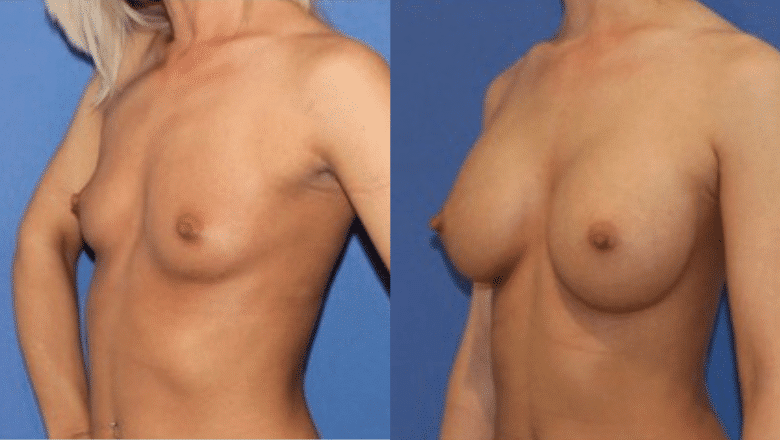
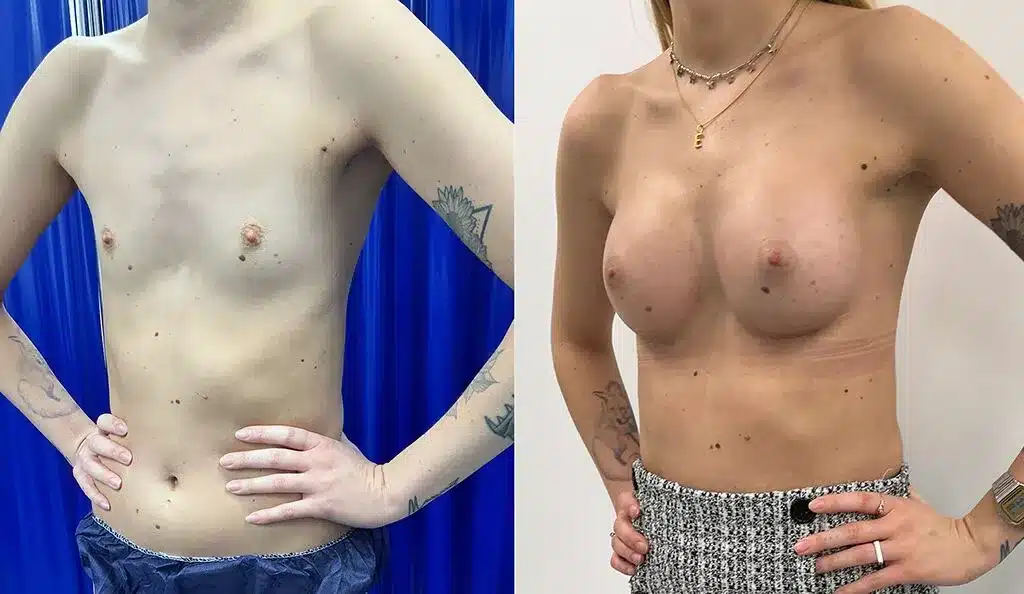
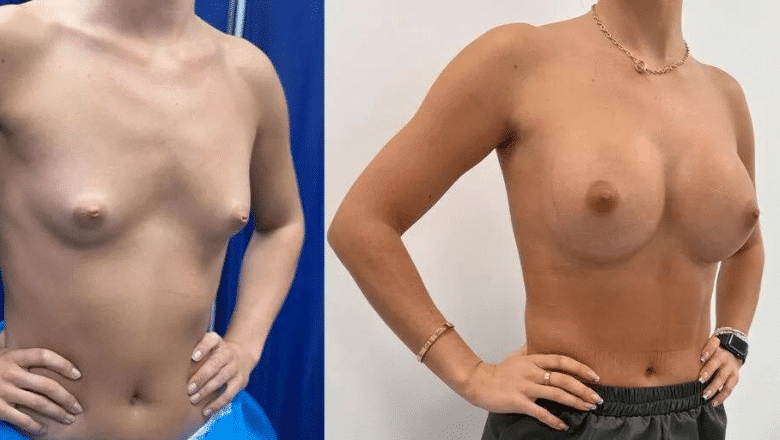
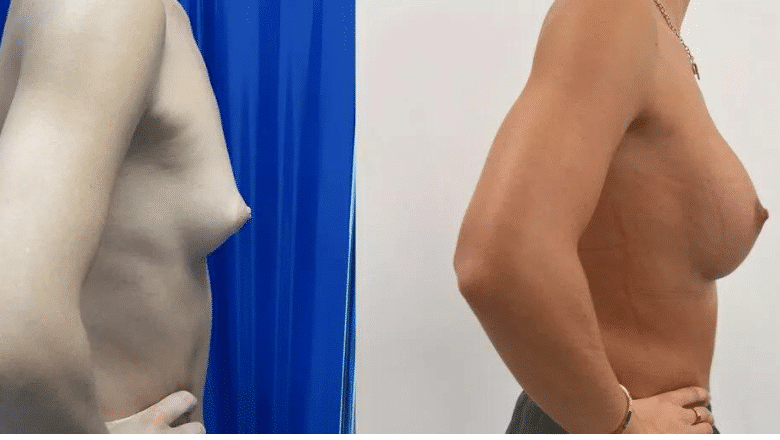
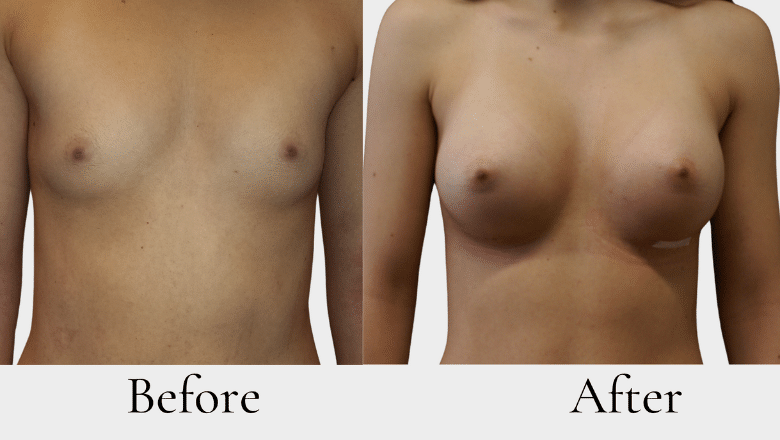
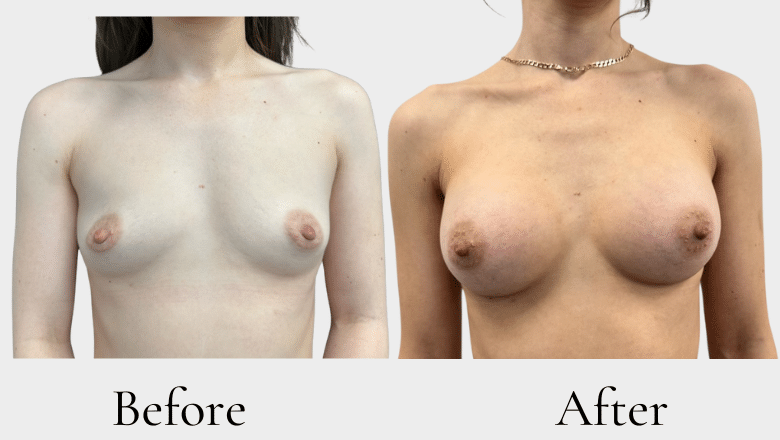
Results depend on your anatomy, implant size and placement rather than on the anaesthetic. The photos below show breast augmentation results at Centre for Surgery, and our full breast augmentation before and after photos gallery shows more. Individual results vary.



Is the MIA Femtech 15-Minute Boob Job the Same as Awake Breast Augmentation?
No. MIA Femtech is a newer, device-assisted technique marketed as a quick, minimally invasive breast enlargement under local anaesthetic. It is a different operation from standard implant surgery with sedation, it is mainly aimed at modest increases in size, and it has far less published long-term evidence behind it. Our comparison of MIA Femtech and breast augmentation under local anaesthetic sets the two side by side.
If you want a modest change without a standard implant operation, a mini boob job with smaller implants, fat transfer breast augmentation or hybrid breast augmentation may be worth discussing at consultation.
Breast Augmentation Recovery After Local Anaesthetic or TIVA
Recovery is driven by the operation rather than the anaesthetic. After sedation or TIVA you need a responsible adult to take you home and stay with you for the first 24 hours, and you should not drive in that time. At Centre for Surgery, recovery after breast augmentation runs on this timetable:
- Days 1 to 7: tightness, swelling and soreness, usually controlled with paracetamol. Avoid lifting and reaching above shoulder height.
- 7 to 10 days: most people return to desk work and driving. Physical jobs need four to six weeks.
- Six weeks: you wear a surgical bra continuously, start light lower-body exercise from week 3, and return to full exercise after your six-week review. See whether you still need to wear a bra after breast augmentation.
- Three to six months: the implants drop and soften into their final position, covered in our guide to drop and fluff. Scars fade over about 12 months.

Our full breast augmentation recovery and aftercare guide goes week by week, and breast augmentation scars explains how the incision heals. Implants are not lifetime devices, and how long breast implants last explains when replacement is considered.
What Happens at a Breast Augmentation Consultation?
At Centre for Surgery your consultation is with a GMC-registered plastic surgeon at our CQC-regulated Baker Street hospital, and the surgeon who assesses you is the surgeon who operates. Your anaesthetic is part of that conversation. We assess your general health, and surgery at our Baker Street hospital is limited to patients with an ASA score of one or two. A consultant anaesthetist then agrees the safest suitable plan with you. Our standard is TIVA, so if you would like to stay awake, say so early and ask whether it is appropriate for your operation.
Useful questions to ask include:
- Which anaesthetic do you recommend for my implant size and placement, and why?
- What happens if sedation needs to be deepened or the plan changes on the day?
- Who will be monitoring me, and what is their experience?
- What are the risks of my specific operation, and what happens if I need revision?
- What is included in my written quote, and what is bought separately?
We recommend a two-week cooling-off period after consultation so you can decide without pressure. Costs are confirmed in your written quote, and our breast augmentation cost guide explains what affects them, with finance options available. To prepare, read how to prepare for your breast augmentation consultation and our guide on how to choose a surgeon for breast augmentation. You can also read why patients choose Centre for Surgery.
Frequently Asked Questions
What anaesthesia is used for breast implant surgery?
Breast augmentation is performed under general anaesthesia, either with inhaled gases or TIVA, or less often under local anaesthetic with sedation. At Centre for Surgery it is normally done asleep under TIVA with a consultant anaesthetist monitoring you throughout. Your anaesthetist and surgeon agree the plan after assessing your health, the implant size and placement, and your preferences.
Can you be awake for breast augmentation?
Yes, for suitable patients. The chest is numbed with local anaesthetic and sedation keeps you relaxed, so you are awake but comfortable. It tends to suit healthy patients having a straightforward operation with smaller to moderate implants. Some operations are better done asleep, which your surgeon and anaesthetist will explain at consultation.
Are breast implants without general anaesthetic safe?
Published case series from specialist centres report low complication rates and no switches to general anaesthesia[1][3], but they cannot prove that awake surgery is safer than being asleep. Safety depends on careful patient selection, an experienced team and proper monitoring. Sedation carries its own risks, which your anaesthetist will discuss with you before surgery.
Does breast augmentation under local anaesthetic hurt?
Once the chest is numb most people feel pressure and tugging rather than pain. The injections are the uncomfortable part, so sedation is given first. Afterwards expect tightness and soreness for about a week. Our guide to how painful breast augmentation is covers pain relief.
What is twilight sedation for breast augmentation?
Twilight sedation is a sedative given through a drip that leaves you drowsy and relaxed while local anaesthetic numbs the area. You are not fully asleep, which separates it from general anaesthesia. Read where twilight sedation works and where it does not.
Does Centre for Surgery offer awake breast augmentation?
Our standard approach is breast augmentation under TIVA as a day case, taking around 90 minutes. If you would prefer to stay awake, tell us at your consultation. Whether local anaesthetic with sedation is appropriate depends on your health, the implants planned and your anaesthetist’s assessment.
How long is recovery after breast augmentation?
Most people return to desk work and driving within 7 to 10 days. You wear a surgical bra continuously for six weeks, start light lower-body exercise from week 3 and return to full exercise after your six-week review. The implants settle into their final position over three to six months.
What is the best age to get breast implants?
You must be 18 or over with fully developed breasts, and there is no upper age limit. Suitability depends on health rather than age, including a BMI below 30, not smoking and realistic expectations. Our guide to the best age for breast augmentation covers timing around family plans.
Breast Augmentation in London
If you are considering breast implants and want to know whether being awake or asleep is right for you, a consultation with a plastic surgeon and anaesthetist will answer it for your own anatomy and plans. Find out more about breast augmentation at Centre for Surgery.
Phone: 020 7993 4849 | Address: 95–97 Baker Street, Marylebone, London W1U 6RN
Contact us to schedule a consultation
References
- Trignano E, Vacca S, Ziani F, et al. Augmentation mammoplasty under tumescent local anesthesia: a multicenter retrospective analysis of 1644 consecutive cases. Journal of Clinical Medicine 2026;15(10):3735. doi:10.3390/jcm15103735 ↗
- Gart MS, Ko JH, Heyer KS, Mustoe TA. Breast implant procedures under conscious sedation: a 6-year experience in 461 consecutive patients. Plastic and Reconstructive Surgery 2013;131(5):1169–1178. doi:10.1097/PRS.0b013e31828e2196 ↗
- Ceccarino R, Di Micco R, Cappelletti R. Aesthetic breast surgery under cold tumescent anesthesia: feasibility and safety in outpatient clinic. Annals of Plastic Surgery 2019;83(4):384–387. doi:10.1097/SAP.0000000000001798 ↗
- Colque A, Eisemann ML. Breast augmentation and augmentation-mastopexy with local anesthesia and intravenous sedation. Aesthetic Surgery Journal 2012;32(3):303–307. doi:10.1177/1090820X12436601 ↗
- Ditlev M, Loentoft E, Hölmich LR. Breast augmentation under local anesthesia with intercostal blocks and light sedation. Journal of Plastic Surgery and Hand Surgery 2022;57(1-6):271–278. doi:10.1080/2000656X.2022.2069789 ↗
- Gardiner S, Rudkin G, Cooter R, Field J, Bond M. Paravertebral blockade for day-case breast augmentation: a randomized clinical trial. Anesthesia and Analgesia 2012;115(5):1053–1059. doi:10.1213/ANE.0b013e318264ba33 ↗
- Aarab Y, Ramin S, Odonnat T, et al. Pectoral nerve blocks for breast augmentation surgery: a randomized, double-blind, dual-centered controlled trial. Anesthesiology 2021;135(3):442–453. doi:10.1097/ALN.0000000000003855 ↗
- Liang Z, Xu Y. The efficacy of pectoral nerve block for pain control after breast augmentation: a meta-analysis of randomized controlled studies. Medicine (Baltimore) 2023;102(8):e32863. doi:10.1097/MD.0000000000032863 ↗







