


In this guide2 sections
Safety of a Mummy Makeover in the UK
A Mummy Makeover combines several procedures — commonly a tummy tuck, breast lift or breast augmentation, and liposuction — into a single tailored plan. As with any surgery, it’s reasonable to want a clear, honest answer about how safe it actually is, and what genuinely affects that safety.
This guide covers what the procedure involves, the safety standards that apply to it in the UK, the real risks involved, and what you can do to give yourself the best chance of a safe, successful outcome.
What Does a Mummy Makeover Involve?
A Mummy Makeover isn’t one procedure — it’s a combination tailored to the individual, most commonly drawn from:
- Breast lift (mastopexy): repositions and reshapes the breast.
- Breast augmentation: restores volume using implants.
- Tummy tuck (abdominoplasty): removes excess skin and fat and tightens the abdominal muscles.
- Liposuction: removes stubborn fat deposits from targeted areas.
The exact combination depends on your concerns, anatomy and goals — which is part of why the procedure has become so widely requested.
UK Safety Regulations and Standards
Cosmetic surgery in the UK is subject to genuine regulatory oversight, and understanding who these bodies are helps you evaluate any provider properly:
- The Care Quality Commission (CQC) regulates health and social care services and inspects cosmetic surgery clinics against defined safety standards.
- The General Medical Council (GMC) confirms that surgeons are properly qualified, trained, and held to professional standards — check any surgeon’s GMC Specialist Register entry before proceeding.
- BAPRAS and BAAPS (the British Association of Plastic, Reconstructive and Aesthetic Surgeons, and the British Association of Aesthetic Plastic Surgeons) set further professional guidelines for plastic surgeons.
Centre for Surgery is a CQC-regulated facility, rated Good overall, with GMC-registered surgeons, many of whom are members of BAPRAS or ISAPS.
Risks Involved in a Mummy Makeover
A Mummy Makeover carries the combined risk profile of each component procedure, alongside the general risks of any surgery.
General Surgical Risks
- Infection — uncommon with proper postoperative care, managed with antibiotics if it occurs.
- Bleeding or haematoma — excessive bleeding can lead to blood pooling beneath the skin, occasionally requiring further surgery to address.
- Scarring — every surgical incision leaves a scar; how visible it becomes varies by individual healing.
- Anaesthetic risk — all procedures at Centre for Surgery are performed under TIVA (Total Intravenous Anaesthesia), delivered and monitored by a consultant anaesthetist throughout. TIVA carries a lower risk of postoperative nausea and a smoother recovery than traditional inhalational general anaesthesia, though any anaesthetic carries some risk of adverse reaction.
Procedure-Specific Risks
- Tummy tuck: wound healing complications, seroma (fluid accumulation), and changes in skin sensation from nerve disruption.
- Breast surgery: implant complications such as capsular contracture, or changes in nipple sensation following a lift or reduction.
- Liposuction: contour irregularities and, rarely, blood clots.
Combining Procedures and Recovery
Combining procedures means a longer single operation and a more involved recovery than any one procedure alone — which is exactly why a thorough pre-operative medical assessment matters, and why your surgeon will confirm which combination is safe to perform together at your specific consultation.
What Is the Death Rate of a Mummy Makeover?
Every Mummy Makeover is a different combination of procedures, so there isn’t a single mortality figure for “a Mummy Makeover” as a whole — it’s more meaningful to look at the figures for its most commonly performed components. Commonly cited figures from the plastic surgery literature, including research published in Plastic and Reconstructive Surgery — Global Open (the official open-access journal of the American Society of Plastic Surgeons), put the mortality rate for tummy tuck surgery at approximately 1 in 13,000 procedures, and for liposuction at approximately 1.3 in 50,000 procedures. These are general figures from the wider literature rather than Centre for Surgery-specific data, and combining multiple procedures in one session does increase overall operative time and therefore overall risk — which is precisely why your surgeon plans your specific combination around what’s safe for you, rather than defaulting to the most extensive option available.
Choosing an experienced, GMC-registered surgeon operating in a CQC-regulated facility is the single most significant factor within your control for minimising these risks.
Improving Safety and Minimising Risk
Choose a Qualified, Experienced Surgeon
- GMC Specialist Register confirmation — verify this directly rather than relying on marketing claims.
- BAAPS or BAPRAS membership, indicating adherence to recognised professional standards.
- Genuine experience with your specific combination of procedures — ask about this directly at consultation.
Undergo a Thorough Medical Assessment
A full pre-operative health assessment — covering medical history, medications and lifestyle factors like smoking — is essential to reducing risk and supporting good healing.
Have Realistic Expectations
A good surgeon gives you an honest picture of what’s achievable, including scarring and any minor irregularities that may remain, rather than promising perfection.
Follow Postoperative Care Instructions
Adherence to wound care, activity restrictions and compression garment guidance genuinely affects your outcome and your risk of complications.
Recovery and Managing Expectations
Recovery time depends on the extent of surgery and your individual health — typically two to six weeks off work and daily activities, with more strenuous activity restricted for six to twelve weeks. Swelling and bruising are common in the early weeks and settle progressively; final results become apparent over several months as the body heals and adjusts.
Frequently Asked Questions
What surgeries are included in a Mummy Makeover?
Most commonly a tummy tuck, breast augmentation or lift, and liposuction — the exact combination is confirmed at consultation based on your anatomy and goals.
Is a Mummy Makeover risky?
It carries risks broadly similar to its individual component procedures, with the added consideration of combined operating time. Your surgeon will confirm what combination is safe for you specifically.
How much does a Mummy Makeover cost?
Current pricing for each combination is set out in our mummy makeover cost guide.
How long does it take to recover?
Most patients need at least four weeks before returning to normal activity, with the abdominal component usually governing the overall timeline.
Where are the scars located?
Typically around the breasts and along the lower abdomen, positioned to be concealed by most clothing and swimwear where possible.
Is a Mummy Makeover worth it?
That depends on your individual goals — see our fuller answer below.
Why Choose Centre for Surgery
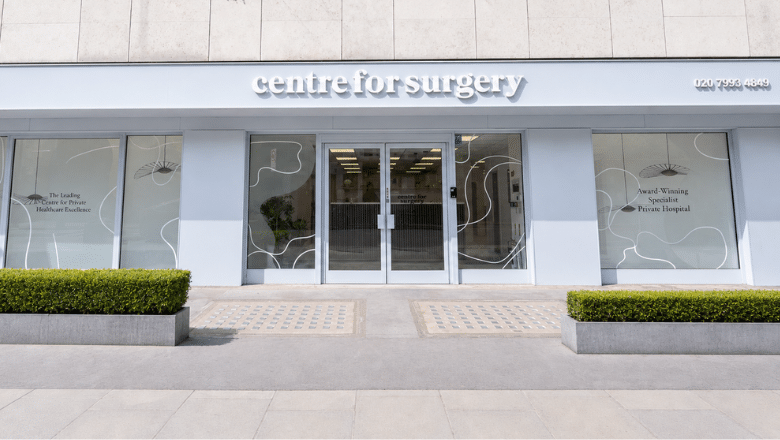
Centre for Surgery is a CQC-regulated cosmetic surgery clinic at 95-97 Baker Street, London W1U 6RN, rated Good overall. All procedures are performed by GMC-registered surgeons.
Clinical Standards
Several of our surgeons are members of professional bodies including BAPRAS and ISAPS. Mummy makeover surgery is performed under TIVA administered by a consultant anaesthetist, and every patient has a thorough pre-operative medical assessment to confirm the safest approach to their specific combination.
Personalised Care
Every Mummy Makeover is planned individually at consultation — we don’t offer a fixed package. Your surgeon will confirm potential risks, benefits and realistic expected outcomes with you directly before you decide whether to proceed.
Book a Consultation
Contact Centre for Surgery to book a consultation and discuss your goals honestly with a plastic surgeon.
Related Articles
- Mummy Makeover After Pregnancy – How Soon Can I Get One?
- Will Scars Be Visible After A Mummy Makeover?
- Is A Mummy Makeover Worth It?