




Cellulite treatment London and cellulite subcision

Cellulite treatment at Centre for Surgery is CelluTite: cellulite subcision to release the fibrous bands that pull the skin into dimples, followed in the same session by argon plasma skin tightening to firm the skin above. It is a minor surgical procedure performed by Mr Metin Nizamoglu, a consultant plastic surgeon on the GMC Specialist Register, usually under local anaesthetic with oral sedation, as a day case at our Baker Street hospital in Marylebone, central London.
It is designed for visible dimples on the thighs and buttocks: the orange-peel or “cottage cheese” pattern that shows when you stand, often with some loose skin. Cellulite affects most women[1] and appears at every body weight, so it is not a sign of being overweight, and diet or exercise alone rarely shifts established dimples. No treatment offers complete cellulite removal; the aim is a clear, lasting reduction in dimpling.
What causes cellulite dimples?
Beneath the skin, fibrous bands called septae anchor the skin to the deeper tissues. When these bands tighten, they tether the skin down at fixed points while fat pushes up between them, creating the dimpled surface. Hormones, genetics, age and thinning skin all play a part, and our guide on how to get rid of cellulite explains the causes and what self-help can and cannot do.

How subcision differs from creams, massage and devices
Creams, massage and most surface devices act on the skin and fat but do not divide established bands, and our review of cellulite creams and massagers sets out what the trials found. Non-invasive radiofrequency can improve mild to moderate texture over a course of sessions. Subcision works differently: it releases the bands directly, which is why it is used for clearly visible dimples rather than surface texture alone.
CelluTite sits within our range of skin tightening treatments, and it is the one we suggest when dimpling, rather than looseness or texture alone, is your main concern. If dimples remain after creams, massage or a course of device treatments, subcision is usually the next option to discuss with a surgeon.
Cellulite treatment at a Glance
CelluTite is not suitable if you are under 18, your weight is still changing or you have an active skin infection in the area, and your surgeon confirms suitability at consultation.
Considering cellulite treatment?Speak to a surgeon about whether subcision will improve the dimples that bother you. No obligation, and no pressure to book.
Cellulite treatment before and after photos
These cellulite treatment before and after photos show Centre for Surgery patients treated with CelluTite, shared with their full written consent. A wider range of cases is available to view at consultation.
How much your dimples improve depends on how deep they are, the quality of your skin and how many areas are treated. Most people see a clear reduction in dimpling rather than perfectly smooth skin.
What is cellulite subcision?
Cellulite subcision is a minimally invasive surgical technique that releases the fibrous septae responsible for cellulite dimples. The name describes it: “sub” means beneath and “cision” means cutting. The surgeon divides the tethering bands beneath the skin without making a wound on the surface, apart from a few entry points smaller than 2 mm.
It works because cellulite dimpling has a specific mechanical cause. Each dimple sits over a band that has become taut and rigid, holding the skin down while the fat around it pushes outward. Once that band is cut, the skin above it is free to lift, which is why some change is often visible on the treatment table.

How cellulite subcision is performed at Centre for Surgery
We perform subcision manually, using a fine, specialised cannula rather than a fixed device platform. Every dimple is marked beforehand while you stand, because dimples move or disappear when you lie down.
Through each entry point, the surgeon passes the cannula at the level of the bands and sweeps it at several angles, so bands running in different directions and at different depths can be released. The surgeon works systematically until each marked dimple has been treated.
Why subcision treats dimples rather than surface texture
Subcision is precise: it treats discrete dimples, each caused by a band. The fine, crepey or orange-peel texture that comes from thin, loose skin is not caused by single bands, so subcision alone does little for it. That is the gap the second stage of CelluTite is designed to fill.
How CelluTite works: subcision plus argon plasma skin tightening
CelluTite is a two-stage procedure carried out in one session. The first stage treats the structural cause of the dimples; the second treats the quality of the skin above them.

Stage 1: cellulite subcision
A fine cannula is introduced just beneath the skin through small entry points and used to cut the bands under each marked dimple, as described above. Once a band is released, the skin above it lifts. Each dimple is treated individually, working across the whole treatment area.
Stage 2: argon plasma skin tightening
The argon plasma probe is then passed through the same entry points. It delivers argon plasma energy combined with radiofrequency beneath the skin, which makes the connective tissue under the skin contract and starts a wave of new collagen and elastin production. You may feel warmth during this stage, and the firming continues over the following three to six months as collagen remodels.
Plasma energy behaves differently from the radiofrequency used in assisted liposuction, and our comparison of Argo Plasma vs BodyTite explains how the two devices differ and when each is used.
Why we add skin tightening to subcision
Subcision on its own can give lasting results, and the research section below sets out the evidence. Our reason for adding a tightening stage is that many people with cellulite also have some loose or thin skin, which subcision does not treat. Releasing the bands removes the downward pull, and the plasma stage aims to firm the released skin, so we offer subcision as part of CelluTite rather than as a standalone treatment.
Combining the two steps is a newer approach. A 2026 prospective study in Aesthetic Surgery Journal Open Forum (DiBernardo) combined subcision with helium plasma radiofrequency in one session in 22 patients and reported improvement on imaging at six months in 77% of right thighs and 82% of left thighs, with collagen remodelling on biopsy and two mild side effects[2]. It used helium rather than argon plasma, was small and had no comparison group, so it supports the rationale for combining the steps rather than proving the combination works better than subcision alone.

Does cellulite subcision work? What the research shows
Subcision is one of the few cellulite treatments with long-term results published. A 2017 multicentre pivotal study in Dermatologic Surgery (Kaminer et al.) followed 45 patients for up to three years after a single device-guided subcision treatment and found no reduction in the benefit over that time[3]. The study was open-label, with patients acting as their own controls, and one author worked for the device manufacturer.
A 2023 multicentre study of a different subcision device, in women with moderate to severe cellulite on the buttocks and thighs, reported a clinically significant improvement in cellulite severity scores that was maintained at 12 months, with mostly mild side effects[4]. The American Academy of Dermatology similarly notes that subcision results can last two years and possibly longer.
How long do cellulite subcision results last?
Published follow-up runs to three years after a single treatment without loss of benefit, which is the longest evidence available. Cellulite can still develop in nearby untreated areas as you age, and significant weight gain or hormonal change can alter how the area looks, so we describe the result as long-lasting rather than lifelong. Keeping your weight stable helps it last.
What is the most effective cellulite treatment?
No single treatment works for everyone. A 2025 UK-led systematic review of 24 randomised trials and 2,084 patients found promising results for shockwave therapy, radiofrequency and collagenase injections, but average follow-up was only a few weeks, the overall quality of evidence was moderate and no treatment was definitively established[5]. No randomised trial of subcision was included.
A clinical review that proposes a treatment algorithm matches the treatment to severity: lifestyle measures for mild cellulite, non-invasive options such as radiofrequency for moderate cellulite, and minimally invasive treatment such as subcision for severe cellulite[1]. In practice, the most effective cellulite treatment for you depends on how visible and how deep your dimples are, which is what your consultation establishes.

Cellulite treatment for thighs, legs and buttocks
Cellulite appears most often on the thighs and buttocks, and also on the hips, flanks, upper arms, knees and lower abdomen. The thighs and buttocks are the areas we treat most often, and both buttocks or both outer thighs are usually treated in the same session.
Cellulite is far more common in women than in men because of how the fibrous bands are arranged. In women they run vertically, perpendicular to the skin, so fat can push up between them; in men they form a criss-cross mesh that resists this. Oestrogen also affects fat distribution and connective tissue, which is why cellulite often appears or worsens at puberty, during pregnancy and around the menopause.

Cellulite treatment for thighs and legs
On the thighs, dimples typically sit on the outer thigh, the back of the thigh and just above the knee, and subcision suits dimples you can see when standing. If the main issue is a fuller outer thigh rather than dimpling, that is usually saddlebags, which respond to fat reduction such as thigh liposuction rather than band release.
Heavy, tender legs that bruise easily, with fat that stops sharply at the ankles, may point to lipoedema rather than cellulite. Lipoedema is a different condition with its own treatment, and your surgeon will check for it at consultation.
Cellulite treatment for buttocks
Buttock cellulite tends to show as scattered dimples across the lower and outer buttock, and because the dimples are discrete it is often well suited to subcision. Where the problem is a fold of skin and fat under the buttock, known as banana rolls, or a buttock that has dropped with loose skin, a buttock lift may achieve more than CelluTite.
Other areas: hips, arms, knees and abdomen
CelluTite can also treat dimpling on the hips and flanks, upper arms and knees, and on the abdomen where surface irregularity and loose skin occur together. Treating several areas in one session lengthens the procedure, and your surgeon will advise on what is sensible to combine.
Who is suitable for cellulite surgery?

CelluTite suits people with visible cellulite dimples, typically moderate or severe, in areas where there is also some skin looseness. It is suitable for women and men aged 18 and over, and there is no upper age limit.
You are likely to be suitable if:
- you have dimples that are visible when you stand, not only when you pinch the skin
- your weight has been stable for at least three months
- you have no active skin infection or inflammation in the areas to be treated
- you do not smoke, or can stop for at least four weeks before and four weeks after treatment
- you want a clear reduction in dimpling and accept that some surface irregularity may remain
CelluTite is often the next step for people who have tried creams, massage or a course of non-invasive device treatments without a lasting change in their dimples.
When another treatment may suit you better
Not everyone with cellulite needs subcision. Mild cellulite with only fine surface texture rarely justifies a surgical procedure. Where stubborn fat is the bigger issue, BodyTite radiofrequency-assisted liposuction reduces fat and tightens skin at the same time, and if you have recently lost weight, our guide to liposuction after weight loss explains why your weight needs to settle first.
Where there is significant loose skin, particularly after major weight loss, a thigh lift removes the excess, and your surgeon may suggest combining CelluTite with a lift. If you are unsure what you are seeing, our guides to stubborn fat, skin laxity or cellulite and loose skin or fat explain how to tell them apart.
CelluTite vs Cellfina, Avéli and other cellulite treatments
Several minimally invasive treatments target the same fibrous bands as CelluTite. They differ in how the bands are released and whether the skin is tightened at the same time. No study has compared CelluTite directly with any of them.
CelluTite vs Cellfina
Cellfina is a device-guided form of subcision: a vacuum platform holds the skin in place while a microblade releases the bands at a preset depth. It is FDA-cleared for long-term improvement in the appearance of cellulite in the buttock and thigh areas of adult women, supported by data showing no significant reduction in benefit up to three years[3] (see the FDA clearance record). CelluTite uses the same principle of band release, performed by hand through small entry points, and adds argon plasma skin tightening in the same session.
CelluTite vs Avéli
Avéli is a handheld device, inserted through a tiny incision, that locates each band, confirms it and then releases it, an approach its makers call targeted verifiable subcision. Its pivotal study reported improvement sustained at 12 months[4]. Like Cellfina, it releases the bands but does not include a skin tightening step.
CelluTite vs Cellulaze and laser cellulite treatment
Cellulaze uses laser energy delivered through a cannula under the skin to release bands and heat the tissue. The American Academy of Dermatology notes results lasting a year or longer, with more research needed. We do not offer Cellulaze or other lasers used beneath the skin, and our article on laser lipo explains why we use other energy-based devices instead.
Non-invasive cellulite treatments
Many cellulite treatments offered in the UK are non-invasive: radiofrequency, shockwave therapy, vacuum massage and similar devices. Some show measurable short-term improvement, mainly in mild to moderate cellulite, but trials have short follow-up and courses usually need repeating[5]. For fine texture without obvious dimples, Morpheus8 Body radiofrequency microneedling can be a non-surgical alternative, and our TightSculpting body laser, applied over the skin, can soften mild cellulite, although it does not release the bands. Collagenase injections, which break down the bands with an enzyme, have also shown benefit in trials, but they are not a treatment we offer.
CelluTite and liposuction
Liposuction removes fat but leaves the bands in place, and removing fat beneath dimpled skin can make the surface look more uneven, so on its own it is not a cellulite treatment. Where fat and cellulite occur together, the two can be combined, and our article can liposuction get rid of cellulite? covers this in detail.
What happens during cellulite surgery?
CelluTite is a day case at our Baker Street hospital, and you go home the same day. The procedure takes one to two hours, depending on how many areas are treated.
Preparing for cellulite subcision
- Stop aspirin and aspirin-containing medicines two weeks before, and tell your surgeon about all other medicines, supplements and herbal products.
- Stop smoking at least four weeks before and four weeks after, because nicotine slows healing and the collagen remodelling the plasma stage relies on.
- If you are having TIVA, do not eat or drink for six hours beforehand and follow the fasting instructions you are given. With local anaesthetic and oral sedation you can usually eat normally unless told otherwise.
- Have paracetamol ready at home, and arrange for a responsible adult to take you home and stay with you for 24 hours. You cannot drive on the day.
What anaesthetic is used for cellulite subcision?
The standard approach is local anaesthetic with oral sedation. Once the sedation has relaxed you, the surgeon numbs each treatment area with local anaesthetic, and gas and air (nitrous oxide) can be offered if the first injections feel uncomfortable. You stay awake but relaxed, and most people describe pulling and pressure rather than sharp pain.
TIVA (total intravenous anaesthesia), given by a consultant anaesthetist, is available if you would prefer to be asleep, if several areas are being treated in one longer session, if anxiety or needle phobia would make the awake approach difficult, or if CelluTite is combined with another procedure such as liposuction. TIVA carries an additional charge.
Step by step: what happens during the procedure
- Marking: each dimple is marked while you stand, so its natural position is captured.
- Anaesthetic: oral sedation and local anaesthetic, or TIVA if agreed.
- Entry points: small entry points, typically under 2 mm, are made in discreet positions next to the treatment area.
- Subcision: the cannula is passed at the level of the bands and moved at several angles under each dimple until the tethering bands are released.
- Argon plasma tightening: the plasma probe is introduced through the same entry points to treat the released area.
- Finishing: the entry points are dressed and your compression garment is fitted before you go home.
How long does it take, and how many sessions will I need?
Subcision of a single area, such as both buttocks or both outer thighs, usually takes 30 to 60 minutes, and the plasma stage adds a further 30 to 60 minutes. Most people need only one session. Where cellulite is severe or longstanding and some deep bands remain tethered, a second session is occasionally recommended, and this is assessed at follow-up.
Subcision recovery time and aftercare

Recovery after CelluTite is usually manageable at home, but expect the area to look worse before it looks better. Bruising after subcision is close to universal[6] and is a normal part of healing rather than a complication.
Subcision recovery time, week by week
- Days 1–3: swelling, bruising and tenderness peak. Paracetamol usually controls the discomfort. Avoid alcohol for 48 hours, and start light walking from day two or three. Most people return to desk-based work after two to three days; allow longer if your job is physical or several areas were treated.
- Week 1: wear your compression garment continuously. Bruising and swelling begin to settle.
- Weeks 2–4: bruising fades. Firm lumps and temporary unevenness are normal as the tissue remodels.
- Weeks 4–6: strenuous exercise and high-impact activity can usually resume once your surgeon is happy with your healing.
- 3–6 months: collagen remodelling continues and the final result becomes clear, usually at around six months.
Compression garments
A compression garment is fitted before you go home. Wear it continuously for the first week, then as directed for a further three to four weeks. Compression supports the healing tissue, limits fluid build-up and helps the released skin settle.
Wound care and who to contact
The entry points are small and usually heal well; keep them clean and dry as instructed. You have your surgeon’s direct number for the first 24 hours, written on your discharge summary. After that, call us on 020 7993 4849 (9am–6pm, Monday to Saturday), or use NHS 111 out of hours and 999 in an emergency.
Contact us promptly if you notice increasing pain, spreading redness, a fever or discharge from an entry point.
Supporting your result
Manual lymphatic drainage (MLD) can help swelling settle and is available separately. Staying smoke-free for four weeks after treatment supports collagen remodelling, and keeping a stable weight helps your result last.
Subcision side effects and risks
Serious complications after subcision are uncommon, but side effects are expected, and it helps to know what is normal. A 2024 systematic review and meta-analysis in Plastic and Reconstructive Surgery Global Open (Foppiani et al.), pooling 14 studies and 1,254 patients, reported bruising in 99% of people after subcision, pain needing pain relief in 60%, and firm areas (induration) and skin discolouration in about 7% each[6].
- Bruising and swelling: expected in almost everyone, usually settling within two to three weeks.
- Pain: common for the first few days and usually managed with paracetamol.
- Lumps and temporary unevenness: firm areas (induration) and surface irregularity are common in the first weeks and usually settle over weeks to months.
- Skin discolouration and staining: brownish marks left by bruising (haemosiderin staining) can take several months to fade, and occasionally longer.
- Haematoma: a collection of blood under the skin, managed with compression and, where needed, drainage.
- Seroma: a collection of fluid, managed with compression and occasionally drainage.
- Infection: uncommon, and most cases respond to antibiotics.
- Burns: the argon plasma stage generates heat beneath the skin, and a surface burn is possible if energy is delivered too close to it; careful technique reduces this risk.
- Altered sensation: numbness or tingling, usually temporary and settling within one to two months.
- Entry point marks: the entry points are under 2 mm and usually fade well, although some marking or pigmentation can persist.
- Uneven or incomplete correction: some deep bands may need a second session, and occasionally a treated area sits slightly higher than its surroundings while it heals.
- New cellulite elsewhere: cellulite in areas that were not treated can progress with age.
If you have sedation or TIVA, the risks of anaesthesia are discussed with you beforehand. Every risk is covered at consultation and recorded in your consent paperwork, and if something does not look or feel right while you heal, we would rather see you early.
Cellulite treatment cost in London
The cost of cellulite treatment depends on how many areas are treated and how large they are, whether you have local anaesthetic with sedation or TIVA (which carries an additional charge), and whether CelluTite is combined with another procedure such as liposuction. Your surgeon agrees the plan with you at consultation, and your price is confirmed in writing before you book.
Current prices are listed in our Skin & Aesthetics price list. Compression garments and prescribed medications are purchased separately, as are any manual lymphatic drainage sessions, and your coordinator confirms these in advance.
Cellulite treatment is cosmetic, so it is not funded by the NHS or by private medical insurance.
Finance is available through Chrysalis Finance, subject to status; see our finance options page. M Sarwar Limited, trading as Centre for Surgery, is a credit broker, not a lender.
Why choose Centre for Surgery for cellulite treatment
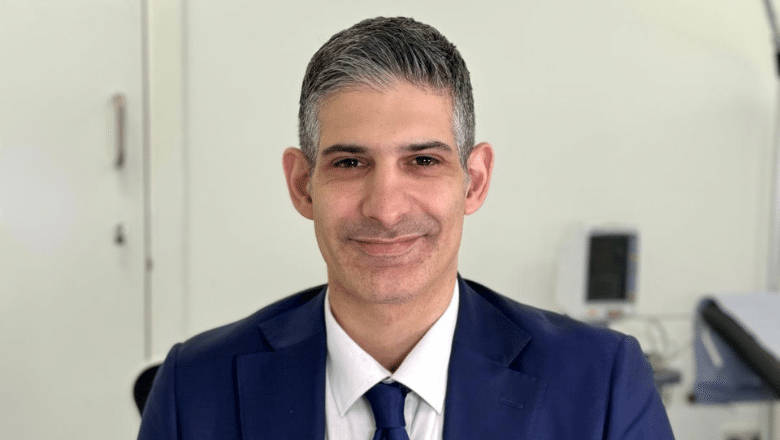
Cellulite subcision at Centre for Surgery is performed by Mr Metin Nizamoglu, a consultant plastic, reconstructive and aesthetic surgeon on the GMC Specialist Register for plastic surgery, who holds FRCS (Plast) and Fellowship of the European Board of Plastic, Reconstructive and Aesthetic Surgeons (EBOPRAS), with over 14 years of NHS experience. He sees you at consultation and performs your procedure himself.
Centre for Surgery is rated Good overall by the CQC, and we operate as a private hospital with our own day-surgery theatre, so your consultation, procedure and follow-up all take place in one building.
We give honest advice: if CelluTite is unlikely to help your dimples, or another treatment would suit you better, your surgeon will tell you. We recommend a two-week cooling-off period after your consultation, in line with NHS advice before you have a cosmetic procedure, and there is no pressure to book.
We are at 95–97 Baker Street, London W1U 6RN, a short walk from Baker Street station. To book a consultation, call 020 7993 4849 or send us an enquiry.

Cellulite treatment research and references
The studies cited on this page:
- Menon A, Shauly O, Marxen T, et al. A clinical guide to the treatment of cellulite and comprehensive review of the etiology, pathophysiology, and utility of intervention. Aesthetic Plast Surg. 2024;48(10):1985-1992. doi:10.1007/s00266-023-03762-9
- DiBernardo BE. A prospective clinical evaluation of combined targeted verifiable subcision and helium plasma radiofrequency for the treatment of cellulite and skin laxity. Aesthet Surg J Open Forum. 2026;8:ojag047. doi:10.1093/asjof/ojag047
- Kaminer MS, Coleman WP, Weiss RA, et al. A multicenter pivotal study to evaluate tissue stabilized-guided subcision using the Cellfina device for the treatment of cellulite with 3-year follow-up. Dermatol Surg. 2017;43(10):1240-1248. doi:10.1097/DSS.0000000000001218
- Stevens WG, Green JB, Layt C, et al. Multicenter pivotal study demonstrates safety and efficacy of a new cellulite procedure: final results at 12 months. Aesthet Surg J. 2023;43(4):455-466. doi:10.1093/asj/sjac291
- Lim SK, Gultekin G, Suresan S, et al. Comparative analysis of cellulite treatment modalities: a systematic review. Aesthetic Plast Surg. 2025;49(7):2051-2075. doi:10.1007/s00266-024-04365-8
- Foppiani JA, Raska O, Galinaud C, et al. Comparing collagenase and tissue subcision for cellulite treatment of the buttock and thigh regions: a systematic review and meta-analysis. Plast Reconstr Surg Glob Open. 2024;12(6):e5857. doi:10.1097/GOX.0000000000005857
What To Expect
Your cellulite treatment consultation
Your surgeon examines the areas with you standing, because dimples shift when you lie down, and checks whether the problem is cellulite or stubborn fat or skin laxity, as each needs a different treatment.
You agree which areas to treat and which anaesthetic, and receive your price in writing. We recommend a two-week cooling-off period before booking. Stop aspirin two weeks before, and stop smoking four weeks before and after treatment.
On the day of your treatment
Each dimple is marked while you stand. After oral sedation and local anaesthetic, or TIVA if agreed, your surgeon releases the bands and then tightens the skin with argon plasma through the same tiny entry points. Most procedures take one to two hours.
You go home the same day in a compression garment. A responsible adult must take you home and stay with you for 24 hours, and you cannot drive that day.
After your treatment
Days 1–3: bruising, swelling and tenderness peak, and paracetamol usually helps. Start light walking from day two or three, and most people are back at desk-based work after two to three days. You have your surgeon’s direct number for the first 24 hours.
Weeks 1–6: wear the garment continuously for the first week, then as directed. Strenuous exercise can usually resume at four to six weeks.
Your results
Some smoothing is visible straight away as the bands release. Firm lumps, bruising marks and unevenness in the first few weeks are normal and settle as you heal.
Skin firmness keeps improving as collagen remodels, and the final result is usually clear at around six months, when your surgeon reviews it with you. Keeping your weight stable helps the result last.
FAQs
-
You can reduce it, but no treatment removes cellulite completely. Established dimples are held down by fibrous bands under the skin, so diet, exercise and creams can soften the look of the surface but rarely change the dimples themselves. Subcision releases those bands and gives a lasting reduction in dimpling in suitable patients, although new cellulite can still form elsewhere over time. Our guide to getting rid of cellulite covers the self-help options and what the evidence shows.
-
Yes. Subcision, which releases the bands behind each dimple, is the most established surgical option, and CelluTite combines it with argon plasma skin tightening as a day case under local anaesthetic with sedation. Where loose skin is the bigger problem, a thigh or buttock lift removes the excess skin instead. Liposuction is often assumed to help, but it removes fat rather than releasing the bands and can make dimpling look worse; see whether liposuction can get rid of cellulite.
-
Subcision is a minimally invasive procedure that releases the tight fibrous bands pulling the skin down into dimples. Under local anaesthetic, a fine cannula is passed just beneath the skin and moved under each marked dimple until the band gives way and the skin lifts. At Centre for Surgery, subcision is the first stage of CelluTite, which then adds argon plasma skin tightening through the same entry points to firm the skin.
-
Cellfina is a branded, device-guided version of subcision, the same band-release principle that CelluTite uses. It holds the skin with a suction platform and releases the bands with a blade set to a fixed depth, while our surgeon releases them by hand at several angles and then adds argon plasma skin tightening for loose skin in the same session. Cellfina has published results to three years[3]; no study has compared the two directly, so neither has been shown to outperform the other.
-
Serious complications are uncommon, but side effects are expected. Bruising affects almost everyone, many people need simple pain relief for a few days, and some have firm lumps or skin discolouration that settle over weeks to months. Less common problems include haematoma, seroma, infection and uneven correction, and the plasma stage carries a small risk of burns. The published figures are in the side effects section of this page, and your surgeon goes through every risk at consultation.
-
CelluTite is done under local anaesthetic with oral sedation, so you are awake but relaxed, and most people describe pulling and pressure rather than sharp pain. The anaesthetic injections are the most uncomfortable part, and gas and air (nitrous oxide) can help with those. If you would rather be asleep, TIVA is available. Afterwards the treated areas feel bruised and tender for a few days, which paracetamol usually controls.
-
Cellulite is usually graded by how visible it is. In grade 1, the skin looks smooth when you stand but dimples appear when it is pinched; in grade 2, dimples are visible when standing but not when lying down; in grade 3, dimples and ridges are visible both standing and lying down. Subcision is most useful for clearly visible dimples. For mild texture without obvious dimples, a non-invasive option such as Morpheus8 Body may be more appropriate.
-
Partly. Cellulite runs in families, and inherited factors such as the arrangement of the fibrous bands, skin thickness and where your body stores fat all affect how likely you are to develop it. Hormones are the other major factor, which is why cellulite is far more common in women and often appears or worsens around puberty, pregnancy and the menopause. Your genes influence whether you get cellulite, but they do not stop subcision from releasing the bands that are already there.
-
No. Massage, dry brushing and massage devices can temporarily reduce swelling and make the skin look smoother for a few hours or days, but they do not divide the fibrous bands that cause dimples, so the cellulite returns. Manual lymphatic drainage can be useful after CelluTite to help swelling settle, which is a different purpose. Our article do cellulite creams work? reviews the trial evidence for creams, massagers and dry brushing.
-
It often becomes more noticeable. With age the skin gets thinner and less elastic, collagen production falls and the hormonal changes of the menopause affect fat and connective tissue, so dimples that were faint can become more visible. Age itself is not a barrier to treatment: there is no upper age limit for CelluTite, and the plasma stage is designed to firm thinner, looser skin once the bands are released.
-
The price depends on how many areas you have treated, their size, your choice of anaesthetic and whether CelluTite is combined with another procedure. Current prices are in our Skin & Aesthetics price list, and your price is confirmed in writing after your consultation. Finance is available, subject to status.


