


In this guide7 sections
Liposuction continues to be a popular choice for removing stubborn fat that doesn’t respond to diet and exercise. Many patients wonder if fat can return afterwards and how to maintain their results over time. Usually, fat does not regrow in the treated areas the same way; however, the overall body shape can still change due to weight gain and lifestyle choices.
Understanding how liposuction works, the factors that affect fat regrowth, and the benefits of modern techniques like VASER (ultrasound-assisted) liposuction and Argo Plasma skin tightening can help patients make informed decisions. These advanced procedures not only improve fat removal but also promote skin tightening, resulting in more sculpted and refined outcomes.
How Liposuction Removes Fat
Liposuction involves the surgical removal of fat deposits from specific areas of the body, such as the abdomen, thighs, arms, and hips. A thin tube cannula is inserted beneath the skin to break up and suction out fat cells. Traditional liposuction is effective for body contouring, but newer technologies, such as power-assisted liposuction, have further refined the procedure, making it more efficient and reducing risks, such as skin laxity.
Once fat cells are removed through liposuction, they do not regenerate in the treated area. However, if a person gains weight after the procedure, the remaining fat cells in both treated and untreated areas can expand. This can lead to a change in overall body shape, though the areas treated with liposuction typically remain more proportionate than before surgery.
Can Fat Return After Liposuction?
Fat does not “come back” in areas treated by liposuction, but weight gain can still impact body composition through fat redistribution — this is the more accurate way to think about it than “fat returning”. If a person maintains a stable weight after surgery, the results tend to last, often for many years. However, significant weight gain will lead the body to store fat elsewhere, sometimes producing an uneven weight gain pattern after liposuction that feels disproportionate compared with your pre-surgery shape. For instance, if someone had liposuction on their abdomen but then gained 10 kilograms, the excess weight would probably go to other parts like the arms, back, or face. In some cases, even the treated area may enlarge if the weight gain is considerable, because even though many fat cells are removed, some remain and can enlarge. This applies regardless of which liposuction technique — standard PAL or VASER — was used to remove the fat originally.
Maintaining Liposuction Results
Patients should adopt a healthy lifestyle following their procedure to ensure long-lasting results. A balanced diet, regular exercise, and maintaining a stable weight all help keep the contoured shape achieved through liposuction. Drinking plenty of water, avoiding excessive alcohol, and engaging in strength training can further enhance results by improving muscle tone and skin elasticity.
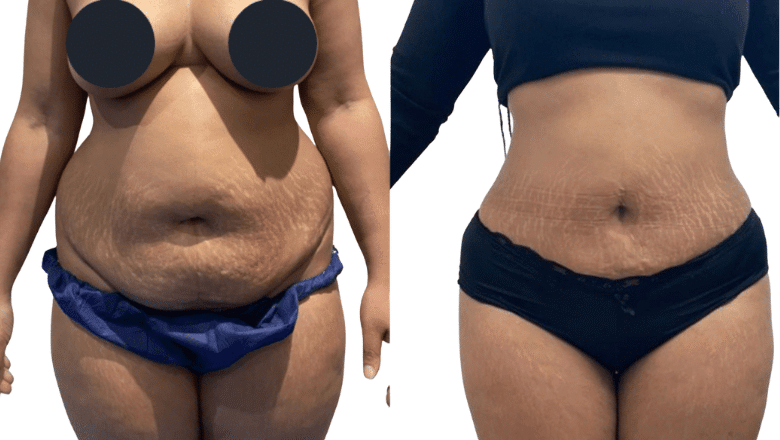
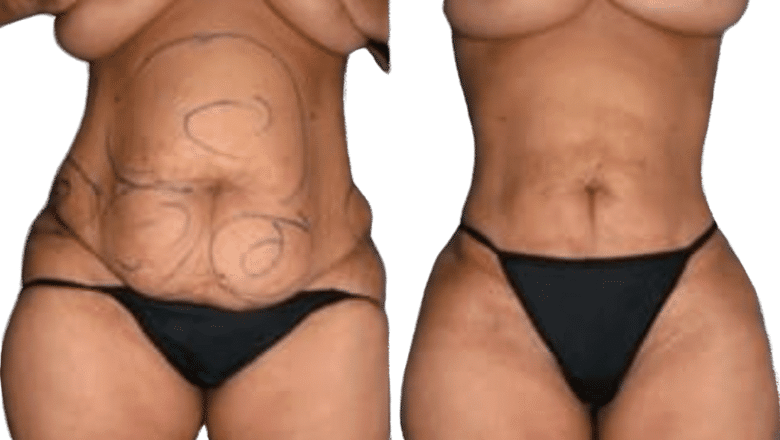

It is also essential to remember that liposuction is not a weight-loss procedure but a body contouring method. The best candidates are individuals who are already at a healthy weight and are looking to address specific areas of stubborn fat rather than seeking overall weight reduction. Our dedicated guide on how much weight you can realistically lose with liposuction covers this distinction in full.
Benefits of VASER (Ultrasound-Assisted) Liposuction
VASER liposuction is an advanced technique that uses high-frequency ultrasonic energy to emulsify fat cells before they’re removed. This method offers several advantages over standard techniques in the right patients, including increased precision in dense or fibrous fat and typically less bruising.
One of the key benefits of VASER is its ability to target denser fat deposits, such as those found in the back or male chest areas. Ultrasound waves help liquefy fat, making it easier to remove while minimising trauma to surrounding tissues. This leads to reduced bruising, less post-operative pain, and often a smoother early recovery.
It’s worth being accurate about skin tightening specifically: VASER can stimulate some collagen remodelling in patients with good skin elasticity, which may produce modest additional tightening compared with mechanical techniques alone — but this effect is variable and VASER isn’t a primary skin-tightening treatment. Where skin laxity is a significant concern, BodyTite radiofrequency-assisted liposuction or a formal surgical lift is generally more appropriate, and your surgeon will advise honestly on which applies to you.
Argo Plasma Skin Tightening: The Perfect Complement to Liposuction
Even with advanced liposuction techniques, some patients may experience mild skin laxity after fat removal. This is where Argo Plasma skin tightening comes in, providing an additional solution to firm and rejuvenate the skin.
Argo Plasma technology, also known as plasma skin tightening, uses ionised gas to create a controlled micro-injury on the skin’s surface. This process stimulates collagen and elastin production, leading to firmer, tighter skin over time. Unlike surgical skin tightening procedures, Argo Plasma does not require large incisions or extensive downtime, making it a popular option for patients looking to enhance their liposuction results.


One of the most significant advantages of Argo Plasma skin tightening is its ability to treat delicate areas such as the neck, arms, and lower abdomen. It is especially beneficial for patients who have undergone liposuction and want to achieve a more toned and refined look.
Combining Liposuction with Advanced Skin Tightening Treatments
Many surgeons recommend combining liposuction with advanced skin-tightening techniques, such as Argo Plasma, for optimal body contouring results. This method not only removes excess fat but also helps tighten the skin to suit the new body shape. It is especially beneficial for patients who have lost significant weight or experience age-related skin laxity. When used together, VASER liposuction and Argo Plasma skin tightening create a more sculpted, refined appearance with minimal recovery time. Patients can enjoy the advantages of precise fat removal, resulting in firmer skin and natural-looking, long-lasting results.
Recovery and Aftercare
Postoperative care is essential for achieving the best possible outcome. After liposuction, patients may experience swelling and bruising, which usually subside within a few weeks. Wearing a compression garment can help reduce swelling and support the healing process.
If Argo Plasma skin tightening is performed alongside liposuction, patients may notice initial redness and mild sensitivity in the treated areas. These effects typically resolve quickly, and improvements in skin tightness become more visible over the following months as collagen production increases.
Following a healthy diet, staying hydrated, and engaging in light physical activity, once authorised by a doctor, can accelerate recovery and help maintain the newly contoured shape. Avoiding significant weight fluctuations is vital to preserving the results for years to come.
Is Liposuction Right for You?
Liposuction effectively helps individuals refine body contours and eliminate stubborn fat deposits. However, it is not a substitute for weight loss or obesity treatment. Ideal candidates are those already at a healthy weight but facing localised fat resistant to exercise and diet.
For patients worried about skin laxity, advanced techniques like VASER liposuction or combining the procedure with Argo Plasma skin tightening can improve results. Consulting a qualified surgeon is crucial to identify the most suitable approach for your needs.
Frequently Asked Questions
Is it fat coming back, or just fluid weight gain after liposuction?
These are genuinely different things, and it’s a common source of confusion. In the first few weeks after surgery, some residual swelling and fluid retention in the treated area is entirely normal — this is not fat and resolves on its own as you heal, typically within a few weeks to a couple of months. What we’re discussing throughout this guide is different: genuine fat cell expansion from actual weight gain, which is a separate, longer-term process unrelated to normal postoperative swelling. If you’re only a few weeks out from surgery and concerned about how the area looks, that’s much more likely to be settling swelling than any real change in fat.
What does uneven weight gain after liposuction look like?
Treated areas have fewer fat cells than before your procedure, so weight gain after liposuction tends to distribute unevenly — favouring untreated areas over the ones your surgeon sculpted. This is the fat redistribution effect described above, and it’s the reason maintaining a stable weight matters more after liposuction than it might otherwise, precisely because the change in body proportions can feel more noticeable than ordinary weight gain would.
How long do liposuction results last?
For patients who maintain a broadly stable weight, results are genuinely long-lasting — many patients still have well-defined contours five, ten, or more years after their procedure, since the fat cells removed during surgery are permanently gone. The main variable isn’t time itself, but weight stability: the further out from surgery you are, the more that cumulative lifestyle consistency (rather than the procedure itself) determines how your results have held up.
Why Choose Centre for Surgery for Your Liposuction Procedure?
Choosing the right clinic for your liposuction procedure is an important decision. At Centre for Surgery, we take pride in offering specialist expertise, up-to-date techniques, and a patient-centred approach. Located in the heart of London on Baker Street, our specialist clinic is dedicated to delivering cosmetic surgery with high standards of care and safety.
Expertise You Can Trust
At Centre for Surgery, our surgeons are highly skilled specialists in liposuction procedures, including power-assisted liposuction (PAL), VASER lipo, and BodyTite liposuction. We believe in tailored treatments, ensuring that every patient receives a personalised surgical plan to achieve natural and sculpted body contours.
GMC-registered plastic surgeons lead our team, with years of experience in body contouring surgery. You can read more about our highly qualified experts on our Meet the Team page.
Modern Clinic at Baker Street
Our flagship Baker Street clinic offers liposuction procedures in London. With a focus on patient comfort and safety, our CQC-regulated surgical facility is equipped with the latest medical technology, ensuring that every procedure is performed with precision and care. Learn more about our clinic here.
Transparent Pricing and Finance Options
We believe in honest pricing with no hidden fees. Any compression garment or prescribed medication you need is bought separately, and histology is charged separately where a sample is sent for analysis; your coordinator confirms these in advance. For those who prefer flexible payment options, we offer finance through Chrysalis Finance, making your liposuction procedure more accessible. Find out more about our finance options here.
Find Out More
If you’re considering liposuction and want to learn more about the procedure, recovery, and patient experiences, visit our Plastic Surgery Blog for in-depth articles and expert insights. You can also check out our Clinic FAQs for answers to common questions about liposuction and other procedures.
Book Your Consultation Today
Your journey to a sculpted and confident body starts with a consultation at Centre for Surgery. Our expert surgeons will assess your goals, explain your options, and guide you through the process.
Call us on: 020 7993 4849
Email us at: contact@centreforsurgery.com
Visit us at: 95-97 Baker Street, London W1U 6RN
For more about our ethos and approach, visit our About Us page.