


In this guide11 sections
- Key Points
- What Is a Tummy Tuck?
- What Are the Medical Benefits of a Tummy Tuck?
- Who Is Most Likely to Benefit From a Tummy Tuck?
- Tummy Tuck Pros and Cons
- What Are the Risks of a Tummy Tuck?
- Is a Tummy Tuck Worth It?
- Can I Get a Tummy Tuck on the NHS or Through Insurance?
- Tummy Tuck at Centre for Surgery
- Frequently Asked Questions About the Benefits of a Tummy Tuck
- References
Key Points
- A tummy tuck is elective surgery, but it can help real physical symptoms. When the stomach muscles are repaired, studies show less lower back pain, fewer bladder leaks and better core strength, alongside the change in shape.
- Back pain and bladder leaks: in a prospective study of 214 women having a tummy tuck after pregnancy, back-pain disability scores fell from 21.6% to 3.2% and bladder-leak scores from 6.5 to 1.6 within six months.
- Diastasis recti (separated stomach muscles): in a randomised trial, repairing the gap reduced pain and improved quality of life more than exercise training alone, and the gains held at three years in a later study.
- Skin-fold problems: removing a hanging fold of skin (an apron or pannus) ends the rashes, soreness and hygiene difficulty that can develop underneath it.
- The risks are real: about 4% of people have a major complication, most often a blood collection, infection or blood clot, and the risk rises with a BMI of 30 or more, age over 55 and combining several procedures.
- Whether a tummy tuck is worth it depends on your symptoms, a stable weight, finishing your family and whether physiotherapy has already been tried. It is a cosmetic operation and is rarely funded by the NHS.
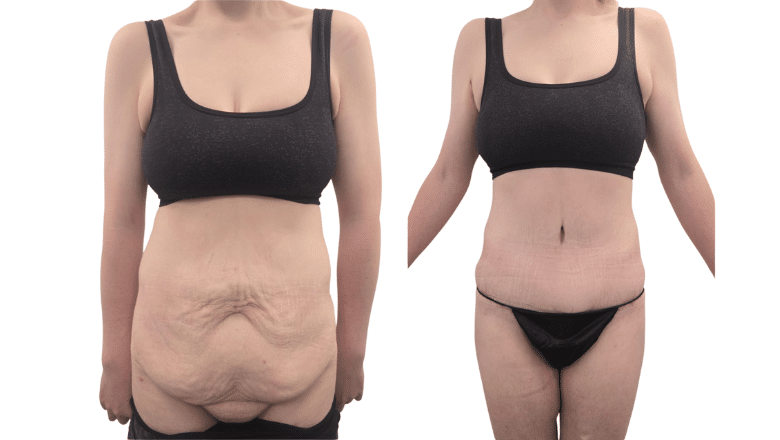
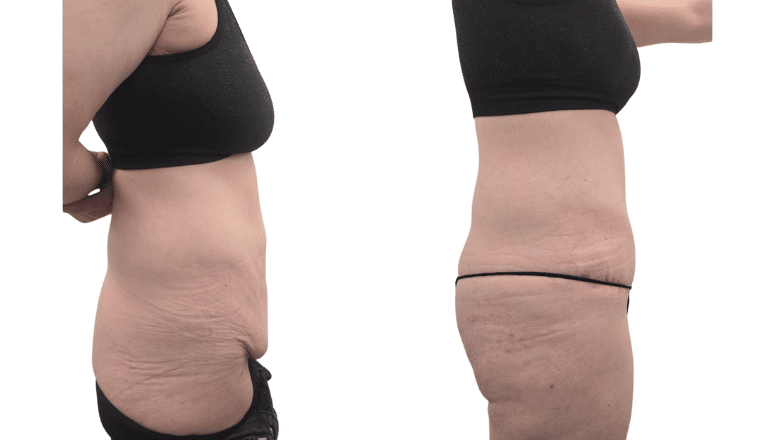
A tummy tuck (abdominoplasty) removes loose skin and fat from the lower abdomen and, in a full tummy tuck, stitches the stretched stomach muscles back together. Most people come to it because of how their stomach looks after pregnancy or weight loss, but many also live with physical problems they may not connect to their abdomen: an aching lower back, a core that feels weak however much they exercise, leaking when they cough or run, or sore, irritated skin under an overhang.
This guide sets out the medical benefits of a tummy tuck that the evidence supports, the ones that are often overstated, the pros and cons, the risks, and how to judge whether a tummy tuck is worth it for you. If your main concern is the muscle gap itself, our guide to diastasis recti explains it in detail, and our mum tum guide covers the stomach after pregnancy more broadly.


What Is a Tummy Tuck?
A tummy tuck reshapes the abdomen by removing excess skin and fat and, in most cases, tightening the muscles of the abdominal wall. There are several types, chosen according to how much skin there is, where it sits and whether the muscles need repair:
- Mini tummy tuck: removes a smaller amount of loose skin below the belly button through a shorter scar, usually without moving the belly button.
- Full tummy tuck: removes skin and fat from hip to hip, repositions the belly button and repairs separated stomach muscles. This is the version studied for back pain and bladder symptoms.
- Extended tummy tuck: continues the scar round the flanks for loose skin at the sides, often after major weight loss.
- Fleur-de-lis tummy tuck: adds a vertical scar to remove loose skin across the width of the abdomen.
- Apronectomy (panniculectomy): removes a hanging apron of skin and fat without tightening the muscles.


A tummy tuck is not a weight-loss operation. It removes tissue that diet and exercise cannot shift, which is why it works best once your weight has been stable for at least six months, ideally twelve after major weight loss.
What Are the Medical Benefits of a Tummy Tuck?
A tummy tuck is a cosmetic, elective operation, and it should never be presented as a cure. Over the last decade, though, good-quality studies have shown that people with specific physical problems often feel better after it, particularly when separated stomach muscles are repaired. These are the benefits with real evidence behind them.
Less Lower Back Pain
After pregnancy, the stretched and separated stomach muscles give the spine less support, and many women notice an ache in the lower back that physiotherapy only partly relieves. In a 2018 multicentre prospective study in Plastic and Reconstructive Surgery ↗, 214 women having a tummy tuck with muscle repair completed a validated back-pain questionnaire before and after surgery. Their average disability score fell from 21.6% before the operation to 8% at six weeks and 3.2% at six months, and all the surgical techniques studied gave similar improvement[1]. A higher BMI and an umbilical hernia were linked with more back pain beforehand.
Fewer Bladder Leaks (Stress Urinary Incontinence)
Leaking when you cough, sneeze, laugh or exercise is common after vaginal births. In the same 2018 study, the average score on a validated incontinence questionnaire fell from 6.5 to 1.6 after surgery, and the improvement was already present at six weeks[1]. A Swedish study of women who had their separated muscles repaired found that around half reported fewer bladder symptoms a year later, although a minority reported more[2]. A tummy tuck does not replace pelvic floor physiotherapy, which remains the first treatment for leaking, and our IncontiLase page covers a non-surgical option.
A Stronger, More Stable Core After Diastasis Recti
Diastasis recti, a gap between the two halves of the rectus muscle, can leave the core feeling weak and unstable even in women who train regularly. In a 2016 randomised trial published in Surgery ↗, repairing the gap reduced pain and improved quality of life a year later, while women given a three-month training programme alone gained strength but still had pain[3]. In a cohort of 60 women whose symptoms had not responded to training, 98% reported better abdominal trunk function a year after repair[2], and the improvement in core strength, back strength and quality of life was still present at three years[4]. Our guide to tummy tuck with muscle repair explains how the repair is done.
Repairing a Hernia at the Same Time
Small umbilical and other abdominal wall hernias are common alongside diastasis recti, and many can be repaired during a tummy tuck through the same incision. Where a larger hernia needs repair, combining it with removal of the overhanging skin has been linked with fewer hernia recurrences, but also with more wound-healing problems, so the decision is made case by case[5]. Our guide to combining a tummy tuck and hernia repair covers this in detail.
Relief From Rashes and Soreness Under an Overhang
After pregnancy or major weight loss, a fold of skin can hang over the pubic area. The skin underneath stays warm and moist, which causes chafing, rashes and recurrent skin infections, makes washing difficult and can be uncomfortable when walking or exercising. Removing the fold ends the skin-on-skin contact. In a long-term study of patients who had lower body contouring after major weight loss, discomfort caused by excess skin was significantly reduced years after surgery[6]. Our guide to apron belly explains when an apronectomy rather than a full tummy tuck is the right operation.
Posture, Exercise and Everyday Comfort
Many patients say they stand straighter and find exercise easier once the muscles are repaired and the overhang has gone. This fits with the measured gains in core and back strength above[4], but posture itself has not been studied well, so treat it as a likely bonus rather than a proven benefit.
Body Image and Sexual Wellbeing
Better body image and self-esteem are commonly reported after body contouring, and in one long-term study they were still present around five years after surgery[6]. A small 2025 study of 37 women who had their diastasis repaired during a tummy tuck also found improved sexual function scores a year later[7]. Surgery can change how you feel about your body, but it does not resolve low mood or anxiety on its own, and a good surgeon will talk this through with you.
Who Is Most Likely to Benefit From a Tummy Tuck?
The people who report the biggest functional gains tend to share a few features:
- Separated stomach muscles or a bulge that has persisted despite a proper course of core and pelvic floor physiotherapy.
- Loose skin or an overhang after pregnancy or major weight loss, with soreness, rashes or difficulty keeping the skin fold clean.
- A stable weight for at least six months, ideally twelve after major weight loss, and a BMI usually under 30.
- No plans for further pregnancies, as another pregnancy can stretch the repair again.
- Not smoking, or able to stop completely for at least four weeks before and four weeks after surgery.
If you are not sure whether your bulge is fat, loose skin or separated muscle, our guide to liposuction vs tummy tuck explains how surgeons tell the difference.
Tummy Tuck Pros and Cons
Pros
- A flatter, firmer abdomen with loose skin removed and the muscles tightened.
- Less lower back pain and fewer bladder leaks for many women with post-pregnancy muscle separation[1].
- Better core strength and quality of life after diastasis repair, lasting at least three years[4].
- An end to chafing and rashes under a hanging skin fold.
- Stretch marks on the skin that is removed, usually those below the belly button, go with it.
- Long-lasting results while your weight stays stable.
Cons
- A long scar across the lower abdomen, usually hidden below the underwear line, which fades gradually over the first year or more. See our guide to tummy tuck scars.
- A recovery of several weeks, with strenuous exercise and heavy lifting usually avoided for around six weeks. Our tummy tuck recovery guide sets out each stage.
- A higher complication rate than most other cosmetic operations[8].
- Numbness of the lower abdominal skin, which usually improves over months but can be permanent in a small area.
- The cost, as the NHS rarely funds tummy tucks and insurers usually treat them as cosmetic.
- Weight gain or a further pregnancy can undo part of the result.
What Are the Risks of a Tummy Tuck?
In a 2015 analysis of more than 25,000 tummy tucks in Plastic and Reconstructive Surgery ↗, 4.0% of patients had a major complication, compared with 1.4% after other cosmetic operations. The most common were haematoma (a collection of blood), infection and blood clots in the legs or lungs. The risk was higher in men, in people aged 55 or over, with a BMI of 30 or more and when several procedures were combined: 3.1% for a tummy tuck alone, rising to 10.4% when it was combined with liposuction and other body contouring[8]. Fluid collections (seromas), delayed wound healing and scar problems are more common but usually minor. Our guides to tummy tuck risks and seroma after a tummy tuck explain how each is prevented and treated.
Is a Tummy Tuck Worth It?
For the right person, the evidence suggests it often is, but the answer depends on why you want it. A tummy tuck is most likely to feel worth it when:
- you have physical symptoms, such as back pain, leaking, a weak core or sore skin under an overhang, and physiotherapy has already been tried;
- you have realistic expectations about the scar and the recovery;
- your weight is stable and your family is complete;
- you have chosen a surgeon who examines you properly and explains which type of tummy tuck you actually need.
It is less likely to feel worth it if you are hoping to lose weight, plan another pregnancy, or expect surgery to fix how you feel about yourself as a whole. Our guide to tummy tuck regrets looks at what people who are unhappy afterwards wish they had known, and our article on whether tummy tucks lead to long-term weight loss covers the weight question.
Can I Get a Tummy Tuck on the NHS or Through Insurance?
A tummy tuck is classed as cosmetic surgery, so NHS funding is rare and depends on strict local criteria, usually related to persistent skin problems after major weight loss rather than appearance. The NHS guide to tummy tucks ↗ explains what to expect, and our guide to getting a tummy tuck on the NHS covers eligibility. If you have private medical insurance, check with your insurer directly before assuming any part of the cost is covered.
Tummy Tuck at Centre for Surgery
At Centre for Surgery, tummy tucks are performed by GMC-registered plastic surgeons under TIVA (total intravenous anaesthesia) at our hospital at 95–97 Baker Street, which is rated Good overall by the Care Quality Commission. The surgeon who assesses you at consultation is the surgeon who performs your operation, and they will examine your muscles, skin and any hernia before recommending a mini, full, extended or fleur-de-lis tummy tuck. Liposuction is not included as standard and is added only where your surgeon recommends it. Follow-up appointments are included, and the nursing team stays in contact with you over the first two weeks after surgery. We recommend a two-week cooling-off period between consultation and surgery.
Your initial consultation fee is redeemable against the cost of your procedure if you go ahead, and finance is available, subject to status. Guide prices are in our tummy tuck cost guide, and you can see more results in our tummy tuck before and after photos.
Frequently Asked Questions About the Benefits of a Tummy Tuck
Does a tummy tuck help with back pain?
It often does when the back pain is linked to separated stomach muscles after pregnancy. In a study of 214 women, back-pain disability scores fell from 21.6% to 3.2% six months after a tummy tuck with muscle repair. Back pain from other causes, such as a disc problem, is unlikely to improve.
Can a tummy tuck stop bladder leakage?
It can reduce stress incontinence in some women, particularly after vaginal births, but it is not a treatment for incontinence on its own. Pelvic floor physiotherapy should come first, and persistent leaking should be assessed by your GP.
Does a tummy tuck make your waist smaller?
Usually, yes. Tightening the stomach muscles and removing loose skin narrows the waist and flattens the front of the abdomen, and liposuction of the flanks can refine the waist further where your surgeon recommends it.
Do you lose weight after a tummy tuck?
Only the weight of the skin and fat removed, which averaged just over a kilogram in one large study[1]. A tummy tuck is not a weight-loss operation and works best when you are already at a stable weight.
Does a tummy tuck fix a hernia?
Small umbilical and abdominal wall hernias can often be repaired during a tummy tuck. Larger or recurrent hernias may need a different approach, which your surgeon will discuss after examining you.
Can a tummy tuck lift the pubic area?
A full tummy tuck lifts the pubic area slightly as the lower abdominal skin is tightened. Where the mons itself is full or droops, a mons lift or mons liposuction can be added.
How long do the results of a tummy tuck last?
The muscle repair and skin removal are permanent, and in one study the gains in core function were still present three years later. Ageing, weight gain and pregnancy can still change the shape of the abdomen over time.
Is a tummy tuck worth it?
It is most likely to feel worth it if you have physical symptoms that physiotherapy has not resolved, a stable weight and a complete family, and if you go in with realistic expectations about the scar and the recovery.

To find out whether a tummy tuck could help your symptoms, call 020 7993 4849 or complete the form below.
References
- Taylor DA, Merten SL, Sandercoe GD, et al. Abdominoplasty improves low back pain and urinary incontinence. Plastic and Reconstructive Surgery 2018;141(3):637–645. doi:10.1097/PRS.0000000000004100 ↗
- Olsson A, Kiwanuka O, Wilhelmsson S, Sandblom G, Stackelberg O. Cohort study of the effect of surgical repair of symptomatic diastasis recti abdominis on abdominal trunk function and quality of life. BJS Open 2019;3(6):750–758. doi:10.1002/bjs5.50213 ↗
- Emanuelsson P, Gunnarsson U, Dahlstrand U, Strigård K, Stark B. Operative correction of abdominal rectus diastasis (ARD) reduces pain and improves abdominal wall muscle strength: a randomized, prospective trial comparing retromuscular mesh repair to double-row, self-retaining sutures. Surgery 2016;160(5):1367–1375. doi:10.1016/j.surg.2016.05.035 ↗
- Olsson A, Kiwanuka O, Wilhelmsson S, Sandblom G, Stackelberg O. Surgical repair of diastasis recti abdominis provides long-term improvement of abdominal core function and quality of life: a 3-year follow-up. BJS Open 2021;5(5):zrab085. doi:10.1093/bjsopen/zrab085 ↗
- Dias Rasador AC, Marcolin P, da Silveira CAB, et al. The impact of simultaneous panniculectomy in ventral hernia repair: a systematic review and meta-analysis. Hernia 2024;28(6):2125–2136. doi:10.1007/s10029-024-03149-y ↗
- Vierhapper MF, Pittermann A, Hacker S, Kitzinger HB. Patient satisfaction, body image, and quality of life after lower body lift: a prospective pre- and postoperative long-term survey. Surgery for Obesity and Related Diseases 2017;13(5):882–887. doi:10.1016/j.soard.2017.01.010 ↗
- Toto V, Faiola A, Pazzaglia M, et al. Impact of abdominoplasty with diastasis recti correction on female sexual function: a 1-year prospective follow-up study. Aesthetic Plastic Surgery 2025;49(17):4925–4931. doi:10.1007/s00266-025-05002-8 ↗
- Winocour J, Gupta V, Ramirez JR, et al. Abdominoplasty: risk factors, complication rates, and safety of combined procedures. Plastic and Reconstructive Surgery 2015;136(5):597e–606e. doi:10.1097/PRS.0000000000001700 ↗






