

In this guide14 sections
- Why Rhinoplasty Is the Hardest Operation to Get Right
- Who Is Qualified to Perform a Nose Job in London?
- How to Check Any London Nose Job Surgeon
- What a Good Consultation Looks Like
- Questions to Ask a Nose Job Surgeon in London
- Nose Job Surgeons at Centre for Surgery
- Getting a Second Opinion
- From Consultation to Surgery
- Where We Are: Marylebone, Minutes from Harley Street
- Nose Job Cost in London
- Look at Results Before You Decide
- Nose Job Surgeon London FAQs
- Book a Consultation
- Related Reading
Choosing a nose job surgeon in London matters more than choosing the clinic, the location or the price. A nose job in London is widely regarded as the most technically demanding operation in cosmetic surgery, and the gap between an experienced nasal surgeon and an occasional one shows in the result for the rest of your life.
The single most useful thing to know: “cosmetic surgeon” is not a recognised medical specialty in the UK, and the title is not protected. Any doctor on the GMC register may use it, whatever their training. The credential that actually means something is entry on the GMC Specialist Register.
This guide explains how to verify any London nose job surgeon in about two minutes, what a good consultation looks like, the warning signs worth walking away from, and who performs rhinoplasty at Centre for Surgery. If you already know what you want, see nose job cost in London and our rhinoplasty before and after photos.
Why Rhinoplasty Is the Hardest Operation to Get Right
It is worth understanding why the choice of surgeon matters so much here, rather than taking it on trust.
Is there a single best nose job surgeon in London?
No, and any clinic claiming the title is telling you more about its marketing than its surgery. There is no ranking body, no league table and no measure by which one surgeon can be declared the best nose job surgeon in London. What exists instead is a group of properly trained specialists whose results vary by case — so the useful question is not who is the best rhinoplasty surgeon overall, but who is the best rhinoplasty surgeon for your nose.
That distinction matters practically. A surgeon with excellent results in primary reduction rhinoplasty may not be the right choice for a revision case, for thick skin, for ethnic rhinoplasty — where Asian, African and Indian and Pakistani rhinoplasty each demand different techniques — or for a nose with a significant breathing problem, where the question becomes rhinoplasty or septoplasty. Male and female noses differ too, as our guide to male versus female rhinoplasty explains. Searches for the best nose surgeon in the UK mostly return directory lists that charge for placement; none of them has examined you. What follows is how to choose a rhinoplasty surgeon on evidence you can verify yourself. Two things worth reading first: whether your expectations are realistic, because the best surgeon in the world cannot deliver an unachievable result, and who is not suitable for rhinoplasty — a good surgeon will tell you if that is you, and a poor one will book you anyway.
.
The margins are tiny. A millimetre of cartilage changes the tip. Two millimetres off a dorsal hump is the difference between a straight profile and a scooped one. There is no other cosmetic operation where errors that small are so visible, on a feature at the centre of the face.
The skin dictates the outcome as much as the surgery. Thick skin hides the framework a surgeon builds, so definition emerges slowly and sometimes not fully. Thin skin shows every edge, so minor irregularities become visible. The same operation on two different noses produces two different results, and predicting that takes experience rather than technique alone. See rhinoplasty with thick skin.
You are operating on structure and function at once. Narrowing a nose can narrow the airway. Removing too much cartilage weakens support, and a nose that looks good at six months can collapse at five years. This is why over-reduction was the defining error of older rhinoplasty and why modern practice preserves structure. See nasal valve collapse.
The result takes a year to appear. A surgeon only learns from a case twelve to eighteen months after performing it, which means judgement accumulates slowly. See rhinoplasty swelling.
And it is not reversible. Cartilage removed is gone. Revision can improve a poor result but rarely restores what a well-planned first operation would have achieved — which is the entire argument for choosing carefully at the start.
Who Is Qualified to Perform a Nose Job in London?

Three kinds of surgeon commonly perform rhinoplasty in the UK, and only two of them hold a protected specialist qualification.
Plastic surgeons complete around ten years of postgraduate training after medical school and appear on the GMC Specialist Register under plastic surgery. Their focus spans appearance and reconstruction.
ENT surgeons — otolaryngologists — follow a comparable training pathway and appear on the register under otolaryngology. Their focus includes the nasal airway and function, which matters when breathing is part of the problem — see functional rhinoplasty. A rhinologist is an ENT surgeon who has sub-specialised in the nose.
“Cosmetic surgeon” is neither. It is not a GMC specialty, it carries no defined training requirement, and any registered doctor may use it. That does not automatically mean someone using the title is unqualified — but it means the title tells you nothing, and you have to check the register instead. See plastic surgeon vs cosmetic surgeon.
Maxillofacial surgeons also perform nasal surgery and hold their own specialist registration.
How to Check Any London Nose Job Surgeon

1. Search the GMC register. Go to the General Medical Council website and enter the surgeon’s name. Every licensed doctor in the UK appears there.
2. Check they are on the Specialist Register — and in which specialty. Plastic surgery or otolaryngology is what you want for a nose job. Being “registered with a licence to practise” is the minimum for any doctor and is not the same thing.
3. Look for the surgical fellowship. FRCS (Plast) or FRCS (ORL-HNS) indicates completed specialist surgical training. Membership of BAAPS, BAPRAS or ENT UK is a further signal.
4. Check for restrictions. Any conditions, warnings or undertakings on a doctor’s registration are published on the same page. This takes seconds and almost nobody does it.
Do this for every surgeon you are considering, including ours. The GMC numbers for our rhinoplasty surgeons are published further down this page for exactly that reason.
What a Good Consultation Looks Like

Good signs
They tell you what is not achievable. Thick skin limits tip definition; a short nose can only be lengthened so far. A surgeon who agrees with everything is either not examining you properly or not being straight with you.
They show results resembling your nose. Anyone can show their best case. Ask for results on a nose with your skin thickness and your starting anatomy.
They examine your airway. A good rhinoplasty surgeon looks inside the nose, not just at it — cosmetic changes can affect breathing, and a surgeon ignoring that is planning half an operation.
They give you time. A two-week cooling-off period is standard practice for a reason.
They tell you who will operate. The surgeon you consult with should be the surgeon holding the instruments.
Walk away from
A promised outcome. Nobody can guarantee a specific result from rhinoplasty.
A discount if you book today. Time-limited pricing on irreversible surgery is a sales tactic, not a clinical one.
Never meeting the surgeon. A consultation with a patient coordinator or salesperson is not a surgical consultation.
Only perfect before-and-afters. Every surgeon has cases that went less well — see nose job gone wrong. One who cannot discuss them is either inexperienced or not being honest.
Dismissing your questions. You are going to be living with this.
Questions to Ask a Nose Job Surgeon in London
- Are you on the GMC Specialist Register, and in which specialty?
- How many rhinoplasties do you perform each year?
- Will you be the surgeon performing my operation?
- Do you use an open or closed approach for a case like mine, and why? See open vs closed rhinoplasty.
- How does my skin thickness affect what is achievable? See rhinoplasty with thick skin.
- Can I see results on a nose similar to mine?
- What is your revision rate, and what is your revision policy?
- Who do I contact if something concerns me at 3am in the second week?
- What will this look like at three months, and at a year? See rhinoplasty swelling.
- Is my breathing likely to be affected either way?
The question with the most revealing answer is the revision one. Every rhinoplasty surgeon has revision cases — roughly 5 to 15% of primary rhinoplasty patients seek one. A surgeon who claims never to have had a revision is not describing reality. See revision rhinoplasty.
Nose Job Surgeons at Centre for Surgery
Our rhinoplasty surgeons are registered with the General Medical Council. Their registration numbers are published here so you can verify them directly.
Dr Géraldine Vansteelant
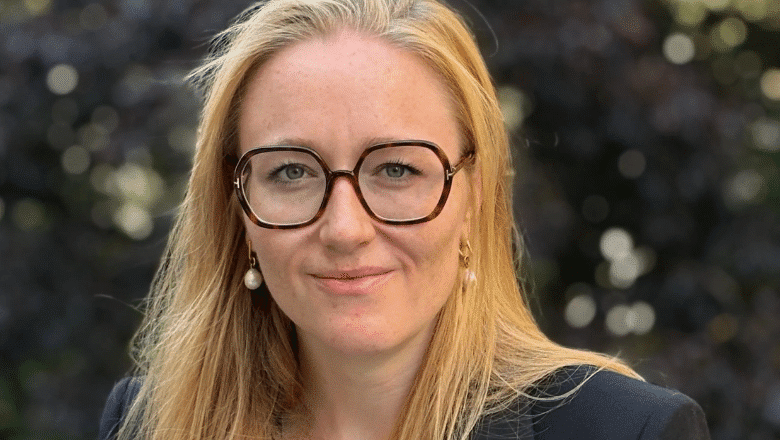
ENT Surgeon and Rhinologist. GMC: 8038438.
A rhinologist — an ENT surgeon sub-specialised in the nose — Dr Vansteelant assesses the nasal airway alongside appearance, which matters where breathing forms part of the concern. See Dr Vansteelant’s profile and functional rhinoplasty.
Miss Sarah Al-Himdani
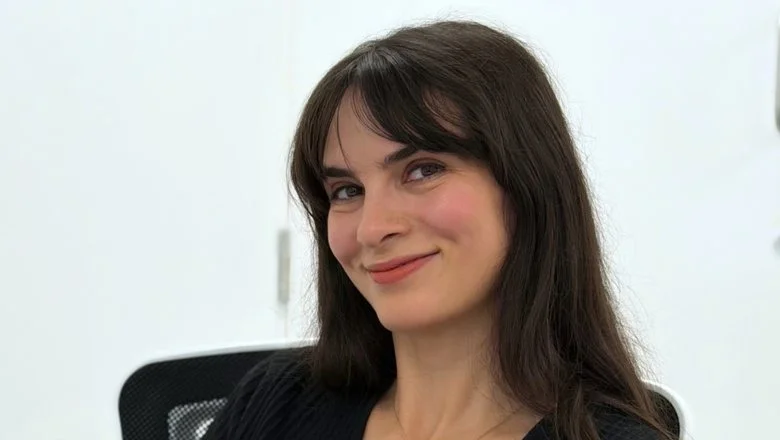
Consultant Plastic Surgeon. GMC: 7266517.
Miss Al-Himdani is an NHS consultant plastic surgeon at Guy’s and St Thomas’ in London and holds the FRCS (Plast), the fellowship awarded on completing specialist surgical training in plastic surgery.
Her special interests are rhinoplasty, eyelid surgery and facelift. See Miss Al-Himdani’s profile.
Professor Ertan Erel
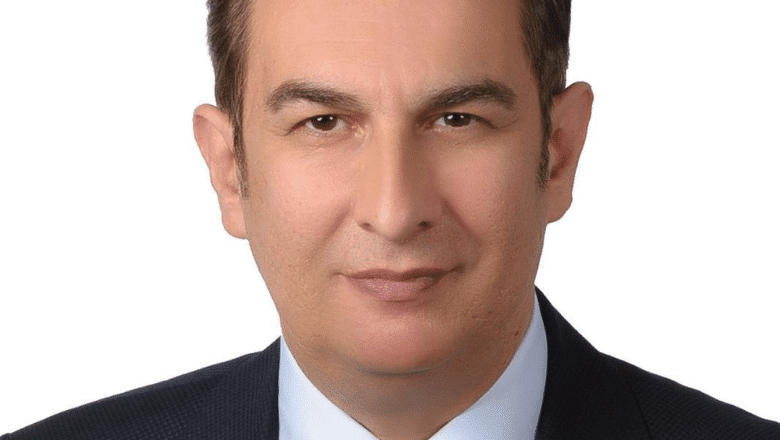
Consultant Plastic Surgeon. GMC: 4561026.
Professor Erel holds an academic appointment alongside his clinical practice and has been on the GMC Specialist Register for plastic surgery since 2010.
Long-standing practice matters in rhinoplasty because it means having seen results at ten and fifteen years, not only at twelve months — which is where the consequences of over-reduction eventually show. See Professor Erel’s profile.
Dr Spyridon Vlachos
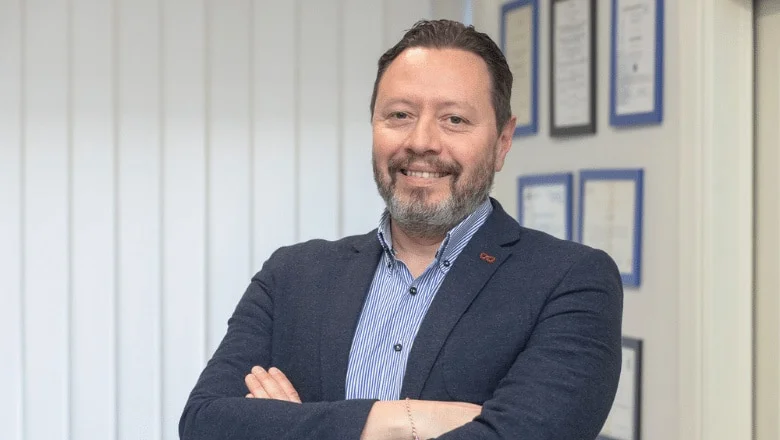
Specialist Plastic Surgeon. GMC: 7522950.
See Dr Vlachos’s profile.
Mr Shehab Jabir
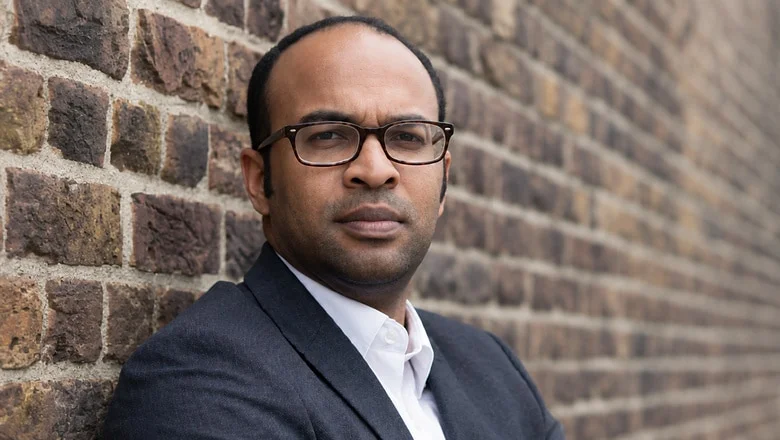
Consultant Facial Plastic Surgeon. GMC: 7083880.
Facial plastic surgery is Mr Jabir’s core practice rather than an occasional addition to a general surgical list — rhinoplasty, facelift and eyelid surgery rather than a full-body caseload with the occasional nose.
That concentration matters in rhinoplasty more than in most procedures, because judgement about what will suit a particular face is built case by case. He takes on both primary and revision work. See Mr Jabir’s profile.
Mr Metin Nizamoglu
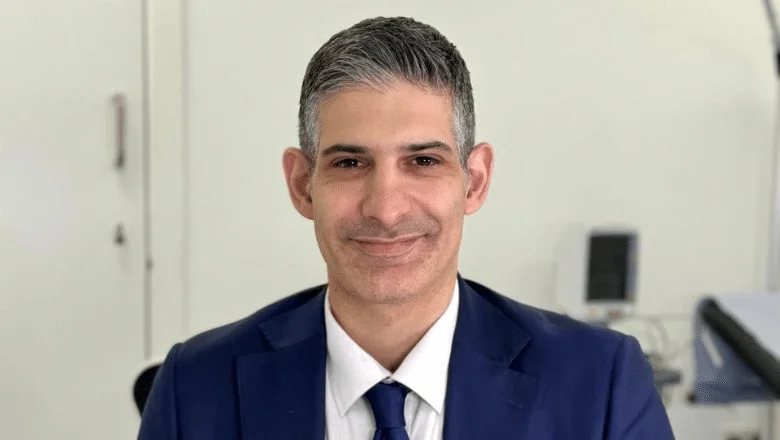
Specialist Plastic Surgeon. GMC: 7041067.
A specialist plastic surgeon on the GMC Specialist Register, Mr Nizamoglu performs rhinoplasty alongside the wider range of facial and body procedures within plastic surgery.
He is experienced in the structural approaches that suit thicker skin and weaker tip cartilage, where cartilage grafting rather than reduction produces the more durable result. See Mr Nizamoglu’s profile.
Having both ENT and plastic surgery expertise in one team matters because rhinoplasty sits across both. A nose that looks better but breathes worse is a failed operation, whatever the photographs show.
Getting a Second Opinion
Seeing more than one nose surgeon in London is normal, and no reasonable surgeon will be offended by it.
It is particularly worth doing for revision surgery, where the anatomy is altered and opinions genuinely differ; where you have been told something is not achievable and want to understand why; where two surgeons have proposed noticeably different operations; and where you simply did not feel heard.
How to make it useful. Ask each surgeon the same questions so the answers are comparable. Take notes rather than trusting memory. Bring the first surgeon’s plan to the second consultation and ask what they would do differently.
How to read the answers. Two surgeons proposing the same approach is reassuring. Two proposing different approaches usually means your case is genuinely difficult, and the more informative response is the one that explains the trade-offs rather than the one that sounds most confident.
Be wary of the surgeon who criticises the other. Rhinoplasty has legitimate differences of approach, and disparaging a colleague’s plan is more often a sales technique than a clinical judgement.
From Consultation to Surgery
Understanding the process helps you judge whether a clinic is running it properly.
The consultation should last long enough for a proper examination inside and outside the nose, a discussion of what you want, and an honest account of what your anatomy allows. Photographs are taken. Some surgeons use imaging — useful for discussion, but not a promise of outcome.
The two-week cooling-off period is recommended before booking. It exists so that decisions are not made in the room under any pressure, and it applies whether or not you feel you need it.
Pre-operative assessment confirms you are medically fit — medical history, observations, and blood tests where indicated. Smoking is the single biggest modifiable risk to healing, and stopping four weeks beforehand, and staying off it for four weeks afterwards, genuinely changes outcomes.
The operation itself is a day case of roughly one and a half to three hours under TIVA anaesthesia, with same-day discharge.
Follow-up runs to a year, because that is how long the result takes to appear. Splint removal at a week, then reviews through the first twelve months. See rhinoplasty recovery.
If a clinic cannot describe this process clearly before you pay anything, that tells you something.
Where We Are: Marylebone, Minutes from Harley Street
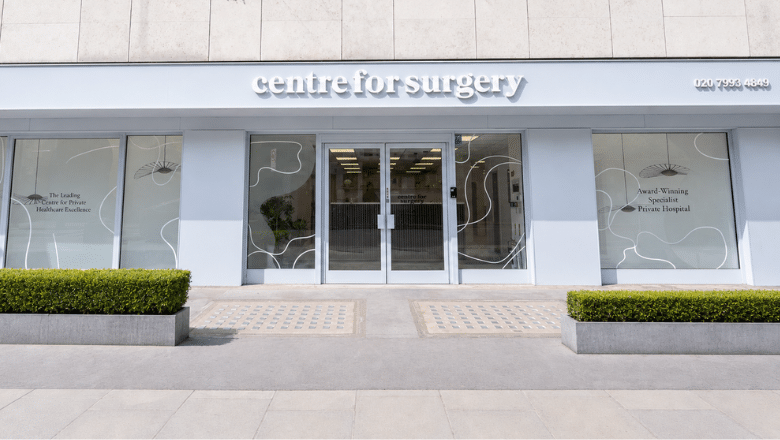
Centre for Surgery is at 95–97 Baker Street, Marylebone, London W1U 6RN — a few minutes’ walk from Harley Street and directly by Baker Street underground station, on the Jubilee, Metropolitan, Circle, Hammersmith & City and Bakerloo lines.
One practical difference worth knowing about Harley Street. Many Harley Street addresses are consulting rooms only, with surgery performed at a separate hospital, often by a surgeon you meet on the day. Our Baker Street clinic has its own CQC-regulated day-surgery theatre, so your consultation, your operation and every follow-up happen in the same building with the same team.
That is not a criticism of Harley Street — it is simply a question worth asking wherever you go: where will my surgery actually take place, and who will be there?
Nose Job Cost in London
Rhinoplasty cost depends on complexity, with tip-only surgery lower and revision work higher. Full detail is on our rhinoplasty cost page.
Price should not be the deciding factor, and an unusually low quote deserves scrutiny — either something is excluded from the headline figure, or the surgeon is buying volume. Revision rhinoplasty costs considerably more than getting it right first time. See nose job in Turkey for the same arithmetic applied to going abroad.
Finance is available through Chrysalis Finance, subject to status — see finance options.
Look at Results Before You Decide
Photographs tell you more than credentials do about a surgeon’s aesthetic judgement. Look for noses like yours, look at side profiles as well as front views, and be sceptical of galleries where every result looks identical.
See our rhinoplasty before and after photos. A wider selection is available at consultation, and we publish only images where the patient has given written consent.
Nose Job Surgeon London FAQs
How do I find the best nose job surgeon in London?
Check the GMC Specialist Register first, then look at results on noses like yours, then meet the surgeon in person. Rankings and “best of” lists are marketing; the register is verifiable fact.
Is “cosmetic surgeon” a real qualification?
No. It is not a GMC specialty and the title is not protected, so any registered doctor may use it. Look for entry on the GMC Specialist Register in plastic surgery or otolaryngology instead.
Should I choose a plastic surgeon or an ENT surgeon for a nose job?
Both are properly qualified. ENT surgeons tend to have deeper airway expertise, plastic surgeons deeper aesthetic training, and many surgeons in both specialties do excellent rhinoplasty. Where breathing is involved, ENT input is valuable.
How many rhinoplasties should a surgeon perform each year?
There is no official threshold, but rhinoplasty rewards volume more than almost any other cosmetic operation. Ask the question and judge whether the answer sounds like a core practice or an occasional add-on.
Do I need to go to Harley Street for a nose job?
No. Harley Street is an address, not an accreditation. What matters is the surgeon’s registration, their rhinoplasty experience, and whether the facility where you will actually be operated on is CQC-regulated.
How much does a nose job cost in London?
It depends on complexity. Tip-only surgery costs less; revision surgery costs more. See our rhinoplasty cost guide for current prices.
What should I ask at a nose job consultation?
Their GMC specialty, annual rhinoplasty volume, whether they will personally operate, their revision policy, what is not achievable for your anatomy, and who to contact out of hours.
Can I check whether a surgeon has been disciplined?
Yes. Conditions, warnings and undertakings appear on the doctor’s GMC register entry, publicly and free of charge.
Is the cheapest nose job in London ever a good idea?
Rarely. Rhinoplasty is technically demanding and revision is expensive, so the downside of choosing on price is considerable. Look at what a quote includes before comparing figures.
Should I get more than one consultation?
Often yes, particularly for revision or complex cases. Two opinions that agree are reassuring; two that differ tell you something important about the difficulty of your case.
What if I am unhappy after surgery?
Speak to your surgeon first. Most concerns in the early months are swelling. If you remain unhappy after twelve months, revision may be an option — see nose job gone wrong.
Do you take on revision cases from other surgeons?
Yes, including surgery performed abroad. We assess them the same way as any other case, including being honest where revision would achieve less than hoped. See revision rhinoplasty.
Book a Consultation
Your consultation is in person with the surgeon who would perform your operation. We will examine your nose inside and out, tell you honestly what is and is not achievable for your anatomy, and give you the time to decide.
We decline surgery where we do not believe it is in the patient’s interest — including where expectations cannot realistically be met.
All surgery is performed by GMC-registered surgeons at our own day-surgery facility in Marylebone, under TIVA anaesthesia. We are regulated by the Care Quality Commission and rated Good overall. We recommend a two-week cooling-off period before any surgery is booked.
Phone: 020 7993 4849
Email: contact@centreforsurgery.com
Address: 95–97 Baker Street, Marylebone, London W1U 6RN
Contact us to schedule your consultation
Your initial in-person consultation is £100, redeemable against the cost of surgery if you proceed.
Patient reviews
You can read our reviews in full on Google Reviews, or on our own patient reviews page. We are rated 4.6 on Google.
Related Reading
- Rhinoplasty (nose job)
- Rhinoplasty cost
- Rhinoplasty before and after photos
- Functional rhinoplasty
- Revision rhinoplasty
- Nose job gone wrong
- Nose job in Turkey
- Open vs closed rhinoplasty
- Rhinoplasty swelling
- Plastic surgeon vs cosmetic surgeon
- Ethnic rhinoplasty
- Our Baker Street clinic