



In this guide12 sections
- Can gynecomastia come back after surgery? The short answer
- Can man boobs come back after gyno surgery?
- How common is gynecomastia recurrence?
- Is Gynecomastia Surgery a Permanent Solution?
- What Causes Gynecomastia?
- What causes gynecomastia recurrence after surgery?
- Swelling after gynecomastia surgery — how long does it last?
- Uneven chest, a lump, or a hard area after gynecomastia surgery
- Revision gynecomastia surgery — when is it needed?
- What to do if you think your gynecomastia has come back
- Is Gynecomastia Surgery Worth the Investment?
- Why Choose Centre for Surgery for Your Gynecomastia Surgery?
Can gynecomastia come back after surgery? The short answer
True recurrence is uncommon. Once glandular breast tissue has been surgically excised, those cells are gone and do not regenerate. Published recurrence rates after properly performed gynaecomastia surgery are low, and in our surgeons’ experience revision for genuine regrowth is rare.
What people usually mean when they say their gynaecomastia has “come back” is one of three things, and only one of them is actual recurrence:
- New fat over the chest following weight gain — this is pseudogynecomastia, not returned glandular tissue, and it is by far the most common explanation
- Residual tissue deliberately left behind to avoid an unnaturally flat, saucer-shaped chest, becoming more visible as surrounding fat changes
- Genuine regrowth of glandular tissue, which requires a new hormonal driver — most often anabolic steroid use, cannabis, or a medication started after surgery
The distinction matters because the treatment differs entirely. Fat responds to liposuction; regrown glandular tissue needs excision.
Can man boobs come back after gyno surgery?
Gynecomastia is a medical term used to describe when men develop larger than normal breast tissue, commonly known as ‘man boobs‘. If you’re a man facing this issue, you have the option to get a special type of surgery to sort it out. This surgery is known as male breast reduction, and its main goal is to remove the extra skin and breast tissue that has built up.
In addition, some men may choose to have liposuction. This procedure helps remove excess fat in the chest area.
One of the most frequent reasons men visit our clinic is to seek treatment for gynecomastia, a medical condition often colloquially referred to as ‘man boobs’ or ‘moobs’. Gynecomastia is characterised by the development of excess breast tissue in men, a condition that frustratingly doesn’t improve with diet or exercise for many men. Consequently, surgical intervention is often the only viable option to remove the unwanted tissue.
We often hear people ask, “Will my man boobs come back after I’ve had surgery for gynecomastia?” It’s a totally understandable question, especially when you’re thinking about putting your time, hard-earned money, and emotional well-being into this kind of surgical treatment.
The reassuring news is that for most people, once you’ve had the surgery to remove the extra breast tissue, it’s really unlikely that it will grow back. The procedure specifically targets and removes the glandular tissue that causes ‘man boobs’, making it a more permanent solution for many.
In the article that follows, we’re going to talk about how long-lasting the effects of this male breast reduction surgery are. This will help you decide if going through with this cosmetic surgery is the right choice for you.
How common is gynecomastia recurrence?
Genuine recurrence — regrowth of glandular tissue after excision — is uncommon. The published rates vary by technique and by how recurrence is defined, but revision surgery for true regrowth is a small minority of cases in most series.
Rates rise considerably in two groups: patients who resume anabolic steroid use after surgery, and patients whose original gynaecomastia was driven by an untreated underlying cause. If the hormonal driver is still present, the tissue has the same stimulus it had the first time.
Rates also appear higher where the original surgery removed only fat and left glandular tissue in place — which is one reason accurate assessment before surgery matters as much as the operation itself. Our guide to gyno vs chest fat explains the distinction.
Is Gynecomastia Surgery a Permanent Solution?
When it comes to the permanency of gynecomastia surgery, the good news is that it’s generally considered a long-lasting, if not permanent, solution for reducing enlarged male breast tissue. Once the surgery has been performed to remove the excess fat and glandular tissue from the chest area, these particular cells won’t come back, offering you a more masculine physique for the long term.
However, it’s important to keep in mind that although the surgically removed tissue won’t regrow, there is still a risk of new excess tissue forming if you don’t take proper care post-surgery. Unhealthy lifestyle choices, like a poor diet or a lack of exercise, can contribute to the recurrence of enlarged breast tissue. Additionally, taking certain medications or engaging in drug use after your surgery can also lead to regrowth in the chest area.
For this reason, patients must adhere strictly to the aftercare guidelines provided by their surgeon. Following a postoperative care plan can include maintaining a balanced diet, engaging in regular physical exercise, and avoiding certain medications or substances that may interfere with your recovery. Doing so will help ensure that the results of your gynecomastia surgery are long-lasting and that you maintain your overall health and well-being.
What Causes Gynecomastia?
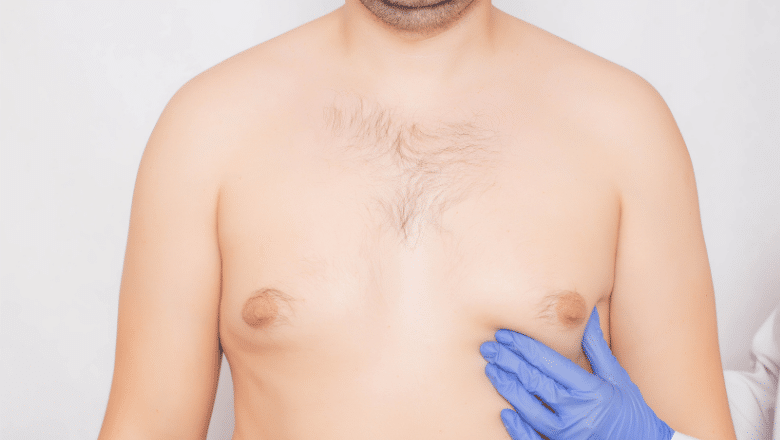
The main cause of gynecomastia, or enlarged male breast tissue, is an imbalance between two key sex hormones: androgens and oestrogen. When there is too much oestrogen or too little androgen, men may experience an increase in breast tissue. There are several factors that could lead to this hormonal imbalance, and they include:
Obesity
Carrying excess weight can significantly impact hormone levels. In particular, obesity can lead to an increase in the production of oestrogen, which is one of the main hormones responsible for breast tissue development. Moreover, having extra fat can make the breasts appear even more pronounced, exacerbating the appearance of gynecomastia.
Ageing
As men grow older, their androgen levels naturally decline, which can contribute to a relative increase in oestrogen. On top of that, ageing is often associated with an increase in body fat, particularly around the chest, which can make gynecomastia symptoms more noticeable.
Puberty
Young men going through puberty may also experience a temporary bout of gynecomastia. During this rapid growth phase and hormonal changes, imbalances between androgens and oestrogen are common. Thankfully, for most individuals, this is a temporary issue, and hormone levels tend to stabilise as they fully transition into adulthood, often resulting in the reduction of breast tissue.
What causes gynecomastia recurrence after surgery?
If you’ve undergone male breast reduction surgery to address gynecomastia, it’s important to be aware of factors that could cause your ‘man boobs’ to come back. Let’s explore some of the main factors that could impact the long-term success of your procedure:
Weight Gain
While the fat cells removed during gynecomastia surgery are gone for good, gaining a significant amount of weight can enlarge the remaining fat cells. This can affect the treated area and lead to the growth of new fat cells in other parts of your body. Therefore, it’s crucial to maintain a stable weight after surgery. Incorporating a balanced diet and a consistent exercise routine can go a long way in preventing the recurrence of gynecomastia.
Substance Use
Certain recreational substances are linked to the development of enlarged male breast tissue. Cannabis and anabolic steroids in particular can stimulate the production of oestrogen and reduce androgen levels. This hormonal imbalance can ultimately lead to the return of excess breast tissue. Therefore, if you want to preserve the results of your male breast reduction, it’s advisable to avoid these substances.
Undiagnosed Medical Conditions
Another reason for the reappearance of enlarged male breasts is an underlying condition called pseudogynecomastia. Unlike true gynecomastia, which involves an excess of glandular tissue, pseudogynecomastia is characterised by the accumulation of fat over the chest. If you notice the return of ‘man boobs’ after your surgery, it is worth establishing whether what you are seeing is actually fat rather than regrown glandular tissue — our guide to gyno vs chest fat covers how to tell the difference. For fat, liposuction is the appropriate treatment rather than further glandular excision.
Swelling after gynecomastia surgery — how long does it last?
Swelling is a standard part of the healing process after gynecomastia surgery. It’s one of the most common side effects as your body begins to recover. This is completely normal and is often a sign that your body is working to heal the surgical area.
You will be given a special compression garment to help manage this swelling and further shape the chest area. This garment is designed to apply gentle pressure to the surgical site, thereby helping reduce swelling and improve the overall contour of your chest. Wearing this garment is crucial for ensuring your recovery goes as smoothly as possible.
You’ll be instructed to wear this compression garment continuously for the first two weeks following your male breast reduction surgery. The consistent pressure from the garment helps control swelling and can also provide additional support to the surgical area, making you more comfortable during your recovery.
Who is the Ideal Candidate for Gynecomastia Surgery?
Determining whether you’re a suitable candidate for gynecomastia surgery is a crucial step in the process, and it usually starts with an in-depth, one-on-one consultation at our clinic on Baker Street. During this consultation, various factors will be considered to assess your eligibility for the procedure.
Generally speaking, you’re likely to be a good candidate for male breast reduction surgery if you meet the following criteria:
Good Health
The surgery involves anaesthesia and a period of recovery, so being in good overall health minimises risks and aids in a smoother post-operative period.
Ideal Weight
You should be close to your ideal weight before undergoing this procedure. Significant weight fluctuations after the surgery can affect the results.
Desire for Chest Contouring
If you’re self-conscious about the appearance of your chest and are looking for a more masculine contour, you’re likely a good fit for this procedure.
Age Considerations
While gynecomastia can affect males of all ages, it’s generally advised to wait until at least 20 before considering surgery. This allows time for any hormonal imbalances, particularly those that occur during puberty, to stabilise naturally. Undergoing the procedure too early could result in a need for additional surgeries later if the breast tissue regrows.
Uneven chest, a lump, or a hard area after gynecomastia surgery
Not every post-operative change is recurrence. Three findings come up repeatedly at review, and none of them means the tissue has regrown.
A firm ridge or hard area under the scar. This is usually scar tissue, which forms as part of normal healing and feels firmest between about six weeks and three months before gradually softening. It typically settles over six to twelve months.
An uneven chest. Asymmetry in the early months is common and usually reflects one side settling faster than the other. Most faces and chests are asymmetric to begin with, and surgery does not make them identical. Persistent asymmetry at six months is worth reviewing.
A fluid collection. A soft, mobile swelling that appears in the first weeks may be a seroma — a collection of fluid rather than tissue. This is drained rather than operated on, and it is one of the reasons compression garments matter.
Something that is genuinely new, hard and one-sided should be examined rather than assumed to be any of the above. Male breast cancer is uncommon but it exists, and a new unilateral lump warrants assessment.
Revision gynecomastia surgery — when is it needed?
Revision is uncommon after a properly performed procedure, but there are situations where a second operation is appropriate.
Where glandular tissue was left behind. If the original surgery removed fat by liposuction alone and did not excise the glandular disc, the disc remains — and often becomes more obvious once the surrounding fat is gone. This is the most common reason patients seek revision, and it is a failure of the original plan rather than recurrence.
Where too much was removed. Over-resection produces a hollow or saucer-shaped depression behind the nipple. Correction usually involves fat grafting rather than further removal.
Where genuine regrowth has occurred under a new hormonal driver, in which case identifying and addressing that driver comes before any further surgery.
We see revision cases from other clinics regularly. If you had your original surgery elsewhere and are unhappy with the result, bring any operative notes you have to consultation — knowing what was actually done makes the assessment considerably more useful.
What to do if you think your gynecomastia has come back
If your chest has changed after surgery, the first step is establishing what the tissue actually is rather than assuming the worst.
Do the pinch test. Lie on your back and pinch the tissue beneath and around the nipple. Soft and even throughout suggests fat. A firm, rubbery disc that feels distinctly different from the surrounding tissue suggests glandular tissue. Our pseudogynecomastia guide covers this in more detail.
Consider the timeline. Swelling takes three to six months to settle fully after gynaecomastia surgery. A chest that does not look flat at eight weeks is usually still swollen, not recurrent. Judging the result before six months is the most common reason patients believe something has gone wrong when it has not.
Consider what has changed. Weight gain, a new medication, a return to anabolic steroids, or increased cannabis use since surgery are all plausible drivers, and all are worth mentioning at review.
Book a review with your surgeon. If you had your surgery here, contact us — assessment of a post-operative concern is part of your aftercare, not a new consultation. If you had surgery elsewhere and are unhappy with the result, that is a different conversation, and one we have regularly.
Is Gynecomastia Surgery Worth the Investment?

Based on our surgeons’ experience, it’s uncommon for patients to see their breast tissue grow back after a properly performed procedure. In most cases, gynecomastia doesn’t recur unless there’s a specific trigger.
We aim for a natural-looking result when we perform surgery to correct gynecomastia. This means we don’t remove every single bit of fatty or breast tissue; doing so would make the chest area look unnaturally flat, which isn’t the outcome we aim for. However, it’s crucial to understand that the remaining tissue remains vulnerable to various factors that can cause it to grow. These factors include weight gain, hormonal imbalances, and the use of certain substances like steroids or cannabis.
Suppose any of these factors has been an issue for you. In that case, managing them carefully after your surgery is essential to lower the risk of gynecomastia returning. In other words, keeping a stable weight and avoiding substances known to affect breast tissue growth are key steps in maintaining the long-lasting results that the surgery aims to provide.
In many instances, the root cause of gynecomastia remains unknown, which medical professionals call ‘idiopathic’. For such cases, the outcomes of male breast reduction surgery are often long-lasting or even permanent, provided there is no major weight gain afterwards. Follow-up or corrective surgery is uncommon among our patients. What you can expect is a chest that’s flatter, firmer, and more naturally contoured. In other words, the positive changes achieved through the surgery are not just temporary; they are designed to last.
So, to sum it all up, if you’re considering male breast reduction and are concerned about the ‘man boobs’ making an unwanted comeback, you can mostly set those worries aside. Although it’s theoretically possible for gynecomastia to recur, such instances are uncommon. Any risk of recurrence can usually be minimised by identifying and effectively managing underlying causes when known.
If you’re contemplating whether gynecomastia surgery is a worthy investment, you’re not alone. Many men ask themselves this question when considering this type of cosmetic procedure. The surgery has been gaining popularity over the years, and several reasons make it well worth the time, effort, and financial investment.
Enhanced Physical Appearance
One of the surgery’s most immediate benefits is a more sculpted and masculine chest contour. This can boost your self-confidence and make you feel more at ease in social situations, particularly ones requiring you to be shirtless.
Greater Clothing Comfort
Many men who undergo this procedure report significantly increased comfort when wearing tighter clothing. Removing excess breast tissue can make shirts and jackets fit better, which can be especially helpful for those who pay attention to fashion or have specific wardrobe requirements for work or special events.
Psychological Benefits
The emotional and psychological impact of having enlarged male breasts is often underestimated. Many men report feeling self-conscious or embarrassed about their appearance, which can lead to a lower quality of life. By addressing the issue head-on with surgery, you can alleviate these concerns and improve your overall well-being.
Why Choose Centre for Surgery for Your Gynecomastia Surgery?
When it comes to making a decision as important as undergoing gynecomastia surgery, you want to ensure you’re in the best hands. Centre for Surgery, based on Baker Street in London, specialises in male breast reduction procedures. Here’s what to consider when choosing us for your gynecomastia surgery.
Expertise You Can Trust
Our team of GMC-registered plastic surgeons have genuine, dedicated experience in male breast reduction, using techniques suited to your specific anatomy.
Comprehensive Consultation
We believe that a thorough consultation is key to a successful surgical outcome. During your 1-to-1 consultation at our Baker Street clinic, we’ll assess your suitability for the procedure, address any concerns, and tailor a treatment plan to meet your unique needs.
Exceptional Aftercare
Your well-being is our priority. Our aftercare programme ensures that you’re supported every step of the way, from pre-op preparation to post-op recovery. Our dedicated team is always on hand to address any questions or concerns you may have.
CQC-Regulated Facilities
Centre for Surgery is CQC-regulated, rated “Good” by the CQC, with modern operating rooms equipped to ensure an effective procedure and a smooth recovery.
More Information
For an in-depth look at gynecomastia surgery and other related topics, we invite you to visit our Plastic Surgery Blog: Centre for Surgery Blog
Book Your Consultation Today
Ready to take the first step toward a more confident you? Contact us to book your consultation.
- Phone: 020 7993 4849
- Email: contact@centreforsurgery.com
- 📍 Address: 95-97 Baker Street, London W1U 6RN
Choosing Centre for Surgery for your gynecomastia surgery means genuine surgical expertise, a CQC-regulated facility, and personalised aftercare. We look forward to welcoming you to our clinic.
Related Articles
- Are There Non-Surgical Treatments for Gynecomastia That Work?
- Why Is Gynecomastia Becoming More Common?
- Gynecomastia Recovery and Aftercare
- Gynecomastia Scars – Treatment, Healing and Fading
- Is Gynecomastia Surgery Worth It?


