


In this guide20 sections
- Key Points
- Is Lymphatic Massage Good After Liposuction?
- What Is Lymphatic Drainage Massage After Liposuction?
- Why Is There So Much Swelling After Liposuction?
- Do You Need Lymphatic Massage After Liposuction?
- How Soon After Lipo Can You Have a Lymphatic Massage?
- How Many Lymphatic Massages After Lipo?
- What Happens During a Lymphatic Drainage Massage After Liposuction?
- Can I Do Lymphatic Massage After Lipo Myself?
- Lymphatic Drainage Massage vs Compression Garment After Liposuction
- Does Lymphatic Massage Help Lumps, Fibrosis and Ripples After Lipo?
- Lymphatic Massage After Lipo: When Not to Have It
- Swelling After Liposuction Timeline: What Helps and When
- Other Ways to Reduce Swelling After Liposuction
- Lymphatic Drainage and Liposuction for Lipoedema
- Liposuction Before and After Photos
- What to Ask Your Surgeon About Massage After Liposuction
- Frequently Asked Questions
- Liposuction Aftercare in London
- References
Key Points
- Is lymphatic drainage massage good after liposuction? It can help. A 2026 systematic review found moderate benefit for swelling after cosmetic surgery, with inconsistent effects on pain and firmness, and no sign that it replaces compression or rest.
- It is optional, not essential. For most standard lipo, gentle massage is considered supportive. Manual lymphatic drainage (MLD) is more likely to be advised after HD lipo, abdominal etching, revision liposuction or when several areas are treated.
- When to start: only once your surgeon clears it. Where it is advised, the first session is usually in the first week, and studies suggest early starts (days 2 to 5) perform better.
- How many sessions: a plan of roughly 6 to 12 sessions is typical in the research, but your surgeon sets the number. For HD lipo and abdominal etching, two sessions in the first week are recommended.
- Pressure must be light. Deep tissue massage or aggressive rolling is not lymphatic drainage and can aggravate bruising and swelling.
- Your compression garment matters more. Wearing it as instructed for six weeks, walking daily and attending your follow-up reviews do more for swelling than any single massage.
Swelling is the most common frustration after liposuction, and lymphatic drainage massage after liposuction is one of the most searched-for ways of dealing with it. The idea is simple: very light strokes encourage the fluid left in the treated tissues to move on to nearby lymph nodes, where the body clears it. What is less simple is working out when it helps, who needs it and how it fits around the rest of your aftercare.
This guide covers when to start lymphatic massage after lipo, how many sessions are usual, what it feels like, whether you can do it yourself, and what the research actually shows. It matches the aftercare advice on our liposuction recovery guide and treatment pages, so your own surgeon’s instructions always come first. If you are comparing procedures, our guides to lymphatic drainage massage after BBL and lymphatic massage after cosmetic surgery cover the same question for other operations.
Is Lymphatic Massage Good After Liposuction?
It can be, although the evidence is more modest than the marketing suggests. A 2026 systematic review in Plastic and Reconstructive Surgery Global Open ↗ pooled seven studies of manual lymphatic drainage after cosmetic procedures such as liposuction and abdominoplasty. MLD, on its own or alongside other therapies, reduced swelling. Its effect on pain varied, and it showed only a possible benefit for firmness (fibrosis). Results were better when sessions began early, around days 2 to 5, and were delivered as 6 to 12 treatments, and adverse events were minimal. The authors concluded that MLD gives moderate benefit for swelling and that better-quality trials are still needed[1].
In practical terms, that supports gentle massage as a helpful extra rather than a requirement. It is not a replacement for your compression garment, walking, rest or review appointments, and it will not change how much fat was removed.
What Is Lymphatic Drainage Massage After Liposuction?
Lymphatic drainage massage, or manual lymphatic drainage (MLD), is a specific light-touch technique rather than a general massage. Your lymphatic system is a network of fine vessels and nodes that collects excess fluid from the tissues and returns it to the bloodstream. Liposuction passes thin cannulas through the fat layer, disturbing many of those small vessels, so for a while the fluid drains more slowly than usual and the area swells.
A trained therapist uses slow, rhythmic, skin-level strokes that stretch the skin gently and direct fluid towards the nearest lymph nodes, in the groin, armpits or neck. The pressure is deliberately light. Searches for a “lipo massage” or “liposuction massage” often mean deep tissue or vigorous massage, which is not the same thing and is not what surgeons recommend in the early weeks.
Why Is There So Much Swelling After Liposuction?
Swelling after lipo has three main causes: the tumescent fluid used during surgery, the inflammation that follows any tissue injury, and the temporary slowing of lymphatic drainage in the treated area. It is a normal part of healing rather than a sign that something has gone wrong.
Most of it settles over four to six weeks, with a small amount lingering for three to six months, longer after bigger volumes or several areas. Our guide to liposuction side effects covers what else to expect. Bruising, firmness, numbness and a lumpy feel are all common. In a meta-analysis of 60 studies and 21,776 patients, the overall complication rate for aesthetic lipo was 12%, with seroma and fibrosis or induration each affecting around 1 to 2% of patients[2]. A separate systematic review of 6,964 high-definition liposuction patients found transient soft-tissue fibrosis in 2.7% and seroma in 3.3%, with major complications at 0.2%[3]. Our full guide to the risks of liposuction sets these out in more detail.
Do You Need Lymphatic Massage After Liposuction?
Not always. Following our treatment pages, gentle massage of the treated areas is generally considered to support healing after liposuction, and MLD may be recommended after revision liposuction or where several areas have been treated. For HD lipo and abdominal etching, where the goal is crisp definition, two lymphatic drainage sessions in the first week are recommended because firm, fibrous tissue can blur the sculpted lines. After 360 liposuction or liposuction combined with a tummy tuck, your surgeon will give you tailored advice, and our tummy tuck recovery guide explains why. Those sessions are arranged and paid for separately, and your patient coordinator can explain how.
What happens if you don’t have lymphatic massage after liposuction?
For most people having a single area treated, very little. You will still heal, because your body clears the fluid on its own over weeks. Without massage, swelling may take a little longer to settle or feel firmer for a time, but it is not a risk to your health or your result as long as you wear your garment, keep walking and attend your reviews. Where a surgeon has specifically recommended MLD, skipping it means a higher chance of lingering firmness, so it is worth following the plan.
How Soon After Lipo Can You Have a Lymphatic Massage?
Only when your surgeon says it is safe. Early sessions are usually timed for the first week: the research above points to days 2 to 5, and for HD lipo and abdominal etching the first session is typically around day 3, once the compression foam has come off. After a larger or more complex operation, your surgeon may ask you to wait a little longer.
The therapist should work around fresh incisions and any dressings, keep the pressure very light and stop if anything hurts. Do not book a session before your surgeon has agreed. If you are unsure, ask during your liposuction preparation so that sessions are lined up before your operation.
How Many Lymphatic Massages After Lipo?
There is no single number. The 2026 review found benefit with 6 to 12 sessions in the studies it included[1], while clinics commonly suggest a smaller course for a single small area and more for a large one such as the abdomen and flanks. Our own HD lipo and abdominal etching plan is two sessions in the first week, with more arranged if your surgeon feels they would help.
Trial protocols can be intensive. In one randomised trial, 30 women with grade 3 cellulite after thigh liposuction had MLD with bandaging three times a week for eight weeks, and both massage techniques tested produced a similar improvement[5]. That study looked at cellulite, not routine swelling, so do not read it as a standard schedule. How often you need drainage depends on the areas treated, how much fat was removed, how you are healing and what your surgeon advises.
What Happens During a Lymphatic Drainage Massage After Liposuction?
You lie comfortably, usually wearing your compression garment or loosely draped, and the therapist works on the treated area and the nodes it drains towards. Sessions generally last 30 to 60 minutes. The touch is so light that many people are surprised by how little pressure is used. It should feel soothing, not painful, though treated areas can feel tender or numb.

Does lymphatic drainage hurt after lipo?
It should not. Bruised and swollen tissue is sore, so a session can feel tender, but sharp pain, pressure that makes you flinch or a therapist pressing hard is a sign to stop and tell them. Our guide to whether liposuction hurts explains what ordinary soreness feels like.
Who should carry out lymphatic drainage massage after liposuction?
Choose a therapist trained in manual lymphatic drainage who has experience with post-surgical clients, and tell them which areas were treated and when. Ask your surgeon or patient coordinator for guidance on who to see, and let the therapist know about your procedure, dressings and garment.
Can I Do Lymphatic Massage After Lipo Myself?
Some gentle self-massage is generally considered safe once your surgeon agrees, although it is not a substitute for a trained therapist. Our guide to massaging yourself after cosmetic surgery walks through the principles. The key rules are:
- Wait for your surgeon’s go-ahead, and keep clear of fresh incisions and dressings.
- Use the flat of your fingers with very light pressure, enough to move the skin without pressing into the tissue underneath.
- Work in slow, smooth strokes towards the nearest lymph nodes, for example towards the groin for the lower tummy and thighs, and towards the armpits for the upper body.
- Do it for a few minutes once or twice a day rather than for long sessions.
- Avoid pinching, rolling the skin or using massage tools or rollers over healing tissue, since these can aggravate bruising and fluid collections.
- Stop if it hurts, or if the area feels hot, looks red or is rapidly more swollen.
Lymphatic Drainage Massage vs Compression Garment After Liposuction
Compression, not massage, is the cornerstone of swelling control after lipo. Following our treatment pages, you wear your garment continuously for six weeks, removing it only briefly to shower, and the rest of the time it spreads even pressure across the treated area, limits fluid build-up and supports the skin as it settles onto its new contour. Garments are bought separately and confirmed with you before surgery. Our guides to the benefits of a compression garment and choosing a compression garment for liposuction explain how to choose and fit one.
How a garment is designed also seems to matter. In a 2026 prospective study in Aesthetic Surgery Journal Open Forum ↗ of 52 patients after lipoabdominoplasty or lower-limb liposuction, a garment with silicone strips placed along lymphatic drainage lines reduced swelling faster than a standard garment on the opposite side. Thigh circumference fell by 8.68 cm with the silicone side against 6.40 cm with the standard side[4]. It was a small, single-centre study, and not a garment we can recommend over your surgeon’s choice. It does show that how fluid is managed in the first weeks affects recovery. Use massage alongside your garment, never instead of it, and do not remove the garment for a session unless your therapist and surgeon have agreed.
Does Lymphatic Massage Help Lumps, Fibrosis and Ripples After Lipo?
People often search for how to get rid of ripples after liposuction and why a lipo stomach looks lumpy. In the early weeks, most lumps and ridges are swelling and bruising that is still settling, and they usually soften steadily. Firm patches, sometimes called fibrosis, can persist for a few months. Gentle massage and MLD are commonly used to help soften them, which is one reason surgeons recommend them after HD lipo.
Persistent unevenness after the swelling has gone is a different matter. If it is still there at three to six months, it needs assessment by your surgeon, because it may reflect contour irregularity or uneven fat removal rather than swelling. Our guides to whether liposuction can remove cellulite and loose skin after liposuction explain what lipo can and cannot change.
Is lymphatic massage or shockwave better for cellulite after lipo?
A 2021 randomised trial of 30 women with grade 3 cellulite after liposuction compared extracorporeal shockwave therapy with manual lymphatic drainage over four weeks, both alongside topical retinol. Shockwave reduced cellulite grade and skinfold thickness more than MLD, although both groups changed[6]. Cellulite is a skin and connective tissue issue rather than swelling, so do not expect massage alone to remove it. Surgeons treat unevenness on a case-by-case basis, and anything you try after surgery should be agreed with yours first.
Lymphatic Massage After Lipo: When Not to Have It
Check with your surgeon, and delay the massage, if any of the following apply:
- Fever, spreading redness, heat or pus around an incision, which may mean infection.
- One calf or leg suddenly swollen, painful or warm, which may signal a blood clot, and needs urgent medical attention.
- Sudden breathlessness or chest pain, which needs emergency help (call 999).
- A tense, rapidly growing fluid collection under the skin, which your surgeon should examine.
- A long-term heart, kidney or clotting problem that your surgeon and GP have not cleared for massage.
Warning signs after lipo are covered in our liposuction recovery guide. In your first 24 hours you have your surgeon’s direct number, and our nursing team stays in contact with you over the first two weeks.
Swelling After Liposuction Timeline: What Helps and When
Swelling follows a fairly predictable course, even though everyone heals at their own pace. The diagram below sets out where massage may fit, and our treatment pages give the detail for each stage.

When is swelling the worst after liposuction?
Swelling, bruising and soreness peak in the first two to three days, which are the hardest of the recovery. Fluid may leak from the small incisions for up to 48 hours. You stay in your garment, rest, take short walks every few hours and use the painkillers you are given. A wound check follows at around 7 to 10 days.
Why do I look bigger 3 weeks after liposuction?
Swelling often feels at its most noticeable between weeks one and three, when bruising fades but fluid is still present, and treated areas can look bigger than before surgery. It is almost always swelling rather than fat returning. Most visible swelling has settled by weeks 3 to 4, much of it by six weeks, and the final contour is assessed at three months. Our guide to how long after liposuction you are swimsuit ready sets out realistic milestones.
When can you exercise after liposuction?
Walk from day one to protect your circulation. Avoid strenuous exercise for four weeks, resume light activity in weeks two to three, and expect to return to full exercise at around six weeks after your surgeon’s review. Massage does not change those dates.
Other Ways to Reduce Swelling After Liposuction
Apart from compression and massage, these steps help swelling settle:
- Walk little and often. Muscle movement helps move lymph and also lowers the risk of blood clots.
- Keep hydrated and eat well. Enough protein and fluids support healing, and our diet after liposuction guide lists what to choose.
- Go easy on salt and alcohol, which can make you retain fluid.
- Do not smoke for at least four weeks before and four weeks after surgery, as it slows healing.
- Rest the area, and avoid heavy lifting and strenuous exercise until you are cleared.
- Keep your weight stable once the swelling has gone. Our guide to maintaining liposuction results explains how.
Lymphatic Drainage and Liposuction for Lipoedema
Manual lymphatic drainage plays a different role in lipoedema, a painful, long-term fat disorder in which it is a standard part of conservative therapy alongside compression and exercise. In one long-term German study of 112 women treated with tumescent liposuction, reductions in pain, swelling and bruising were reported, and decongestive therapy could be stopped altogether in 22.4% and reduced in the rest[7]. Lipoedema needs a specialist diagnosis. If your legs or arms are painful, bruise easily and do not respond to weight loss, see our lipoedema treatment page.
Liposuction Before and After Photos
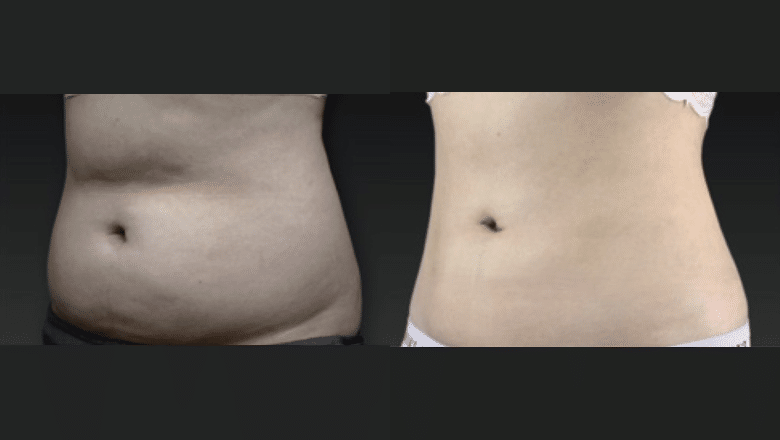
Swelling hides the final shape, so results are judged at three to six months rather than in the first weeks. These photographs show settled results from Centre for Surgery patients. Browse more in our liposuction before and after photos gallery.

What to Ask Your Surgeon About Massage After Liposuction
Bring these questions to your consultation so your aftercare plan is clear before surgery:
- Do you recommend lymphatic drainage massage for the areas I am having treated?
- When should the first session be, and how many sessions are advised?
- Who do you suggest for the sessions, and are they arranged separately from my surgery?
- Can I take my garment off for a session, and for how long?
- Which symptoms mean I should call you rather than wait?
Costs for massage sessions are set by the practitioner, so they are discussed and confirmed in advance rather than quoted here.
Frequently Asked Questions
Is lymphatic massage necessary after liposuction?
No, not for everyone. It is considered supportive after most liposuction, and it is more strongly recommended after HD lipo, abdominal etching, revision lipo or when several areas are treated. Your surgeon will tell you whether it is advised for you.
How long after liposuction can I have a lymphatic massage?
Only once your surgeon clears it. Where it is advised, the first session is usually within the first week, often around day 3, with studies pointing to days 2 to 5 as the usual window.
How many lymphatic drainage massages do I need after lipo?
It varies. Research on cosmetic surgery points to courses of 6 to 12 sessions, while for HD lipo and abdominal etching we recommend two in the first week. Your surgeon adjusts this to the areas treated and how you heal.
Can I do my own lymphatic massage after lipo?
Gentle self-massage can be fine once your surgeon agrees. Keep to very light strokes towards the nearest lymph nodes for a few minutes at a time, avoid incisions and stop if it hurts.
What happens if you don’t have a lymphatic drainage massage after liposuction?
Most people recover well without it. Swelling and firmness may take a little longer to settle, and your garment, walking and follow-up reviews do most of the work. Skipping it when it was specifically recommended raises the chance of lingering firmness.
Does lymphatic drainage massage after liposuction hurt?
It should not. Treated areas can feel tender or numb, but the strokes are very light. Tell the therapist if you feel sharp pain or strong pressure, as this is not how MLD should feel.
Can lymphatic massage get rid of lumps after liposuction?
It can help soften firm patches while they settle, although most early lumps are swelling that fades on its own. Unevenness that remains after three to six months should be assessed by your surgeon.
How much does lymphatic drainage massage after liposuction cost?
Sessions are charged by the practitioner you see, so fees vary. Ask for the cost per session before you book, and ask your patient coordinator which sessions are recommended for your procedure.
Liposuction Aftercare in London
If you are planning liposuction and want to know what aftercare, including lymphatic drainage, would look like for you, book a consultation at our CQC-regulated hospital on Baker Street. You will meet the GMC-registered surgeon who assesses you and performs your surgery, and finance options are available. Find out more about liposuction at Centre for Surgery.
Phone: 020 7993 4849 | Address: 95–97 Baker Street, Marylebone, London W1U 6RN
Contact us to schedule a consultation
References
- Alsairefi S, Alqallaf N, Ali S, et al. Efficacy of manual lymphatic drainage in reducing postoperative complications after cosmetic plastic surgery: a systematic review. Plastic and Reconstructive Surgery Global Open 2026;14(10):e8139. doi:10.1097/GOX.0000000000008139 ↗
- Aljerian A, Abi-Rafeh J, Hemmerling T, Gilardino MS. Complications of aesthetic liposuction performed in isolation: a systematic literature review and meta-analysis. Plastic Surgery (Oakville) 2024;32(1):19–32. doi:10.1177/22925503221078693 ↗
- Willet JW, Alvaro AI, Ibrahim AK, Javed MU. A systematic review of efficacy and complications of high-definition liposuction. Plastic and Reconstructive Surgery 2023;152(1):57–63. doi:10.1097/PRS.0000000000010203 ↗
- Mojallal A, Boucher F, Ei Messioui Z, Clément L, Oubari H. A novel compression garment with a dynamic external lymphatic drainage system: a proof of concept study. Aesthetic Surgery Journal Open Forum 2026;8:ojag010. doi:10.1093/asjof/ojag010 ↗
- Rostom EH, Salama AB. Vodder manual lymphatic drainage technique versus Casley-Smith manual lymphatic drainage technique for cellulite after thigh liposuction. Postepy Dermatologii i Alergologii 2022;39(2):362–367. doi:10.5114/ada.2021.106042 ↗
- Allam NM, Elshorbagy RT, Eid MM, et al. Comparison of extracorporeal shock wave therapy versus manual lymphatic drainage on cellulite after liposuction: a randomized clinical trial. Evidence-Based Complementary and Alternative Medicine 2021;2021:9956879. doi:10.1155/2021/9956879 ↗
- Schmeller W, Hueppe M, Meier-Vollrath I. Tumescent liposuction in lipoedema yields good long-term results. British Journal of Dermatology 2012;166(1):161–168. doi:10.1111/j.1365-2133.2011.10566.x ↗







