


In this guide2 sections
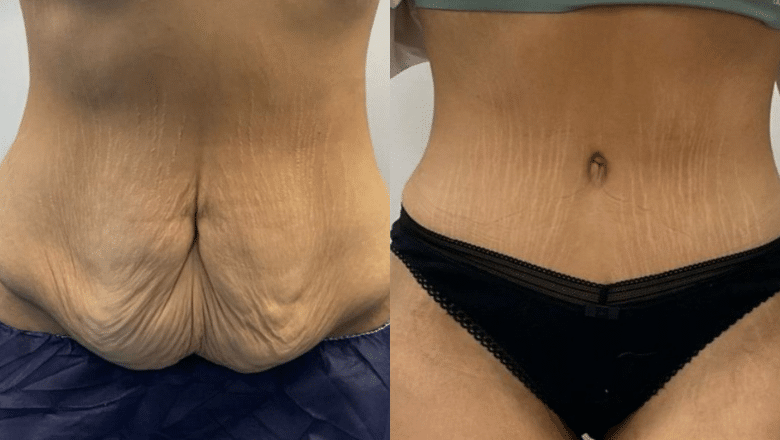
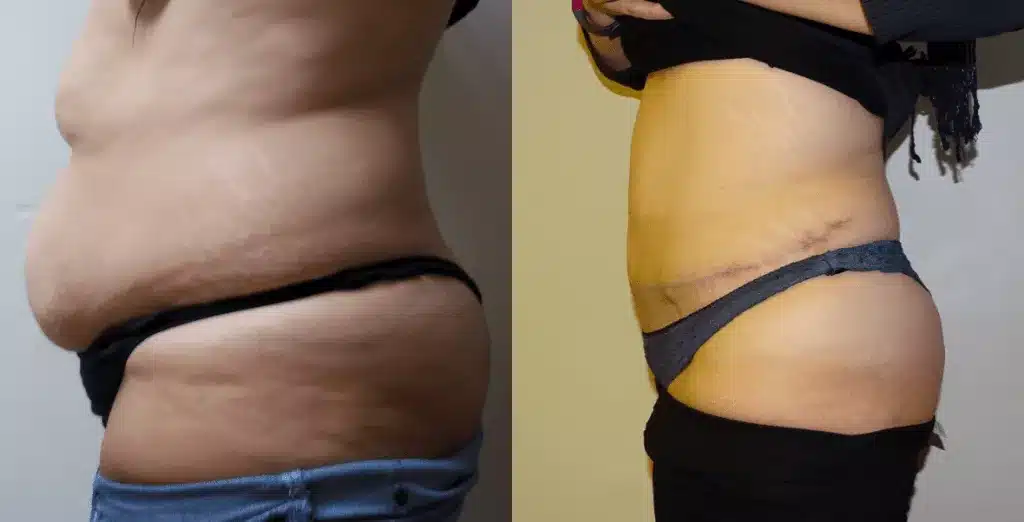
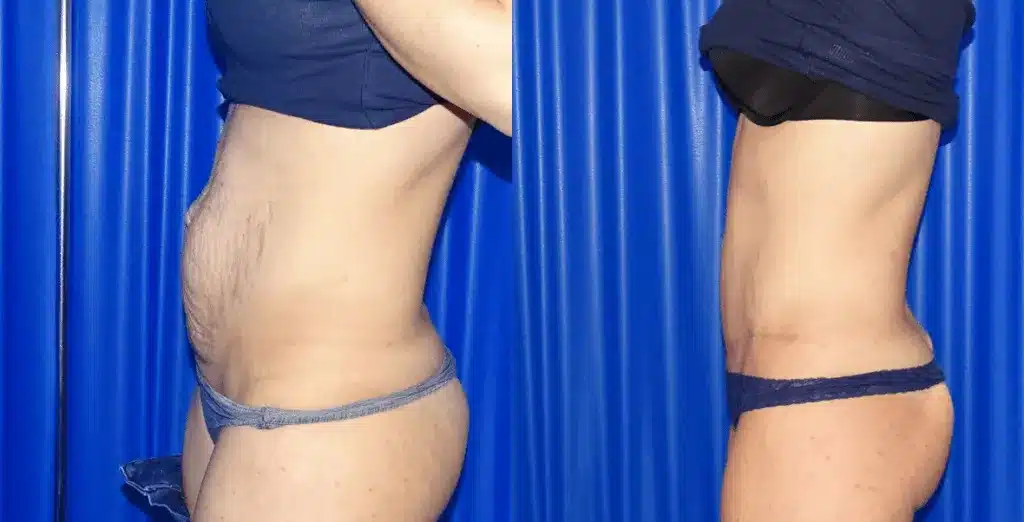
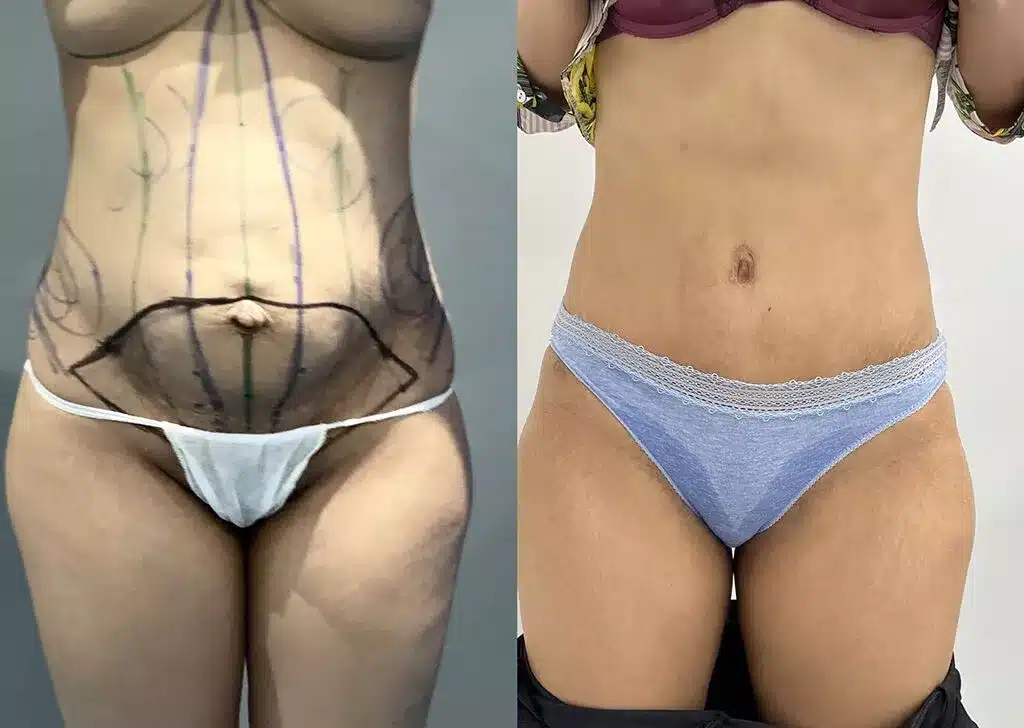
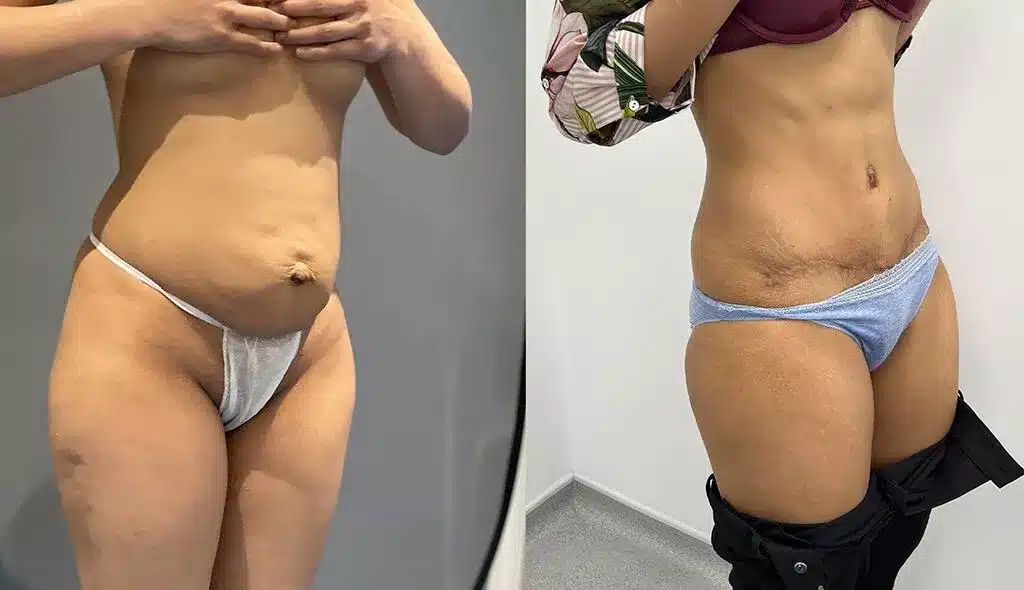
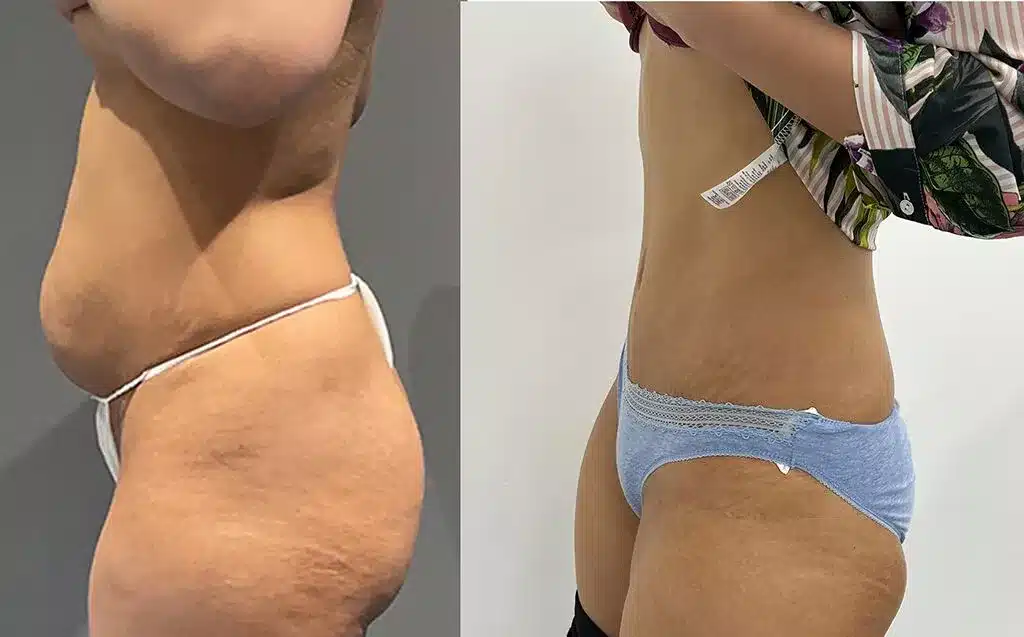
A tummy tuck, also known as abdominoplasty, is a surgical procedure that removes excess fat and loose skin from the lower abdomen and tightens weakened or separated abdominal muscles. This comprehensive approach flattens the stomach and reshapes the abdominal profile, resulting in a firmer, more toned appearance.
Many people choose this surgery after significant weight loss or pregnancy, when excess abdominal skin and weakened muscles are common concerns. Below, we cover the details that make the real difference to your final result — beyond the basics already covered on our tummy tuck service page.
This surgery can also be combined with other procedures. Performed alongside breast surgery, it becomes part of a ‘mummy makeover‘, addressing multiple concerns in one surgical journey.
Getting the Best Result From Your Tummy Tuck
Combining Liposuction With Your Tummy Tuck
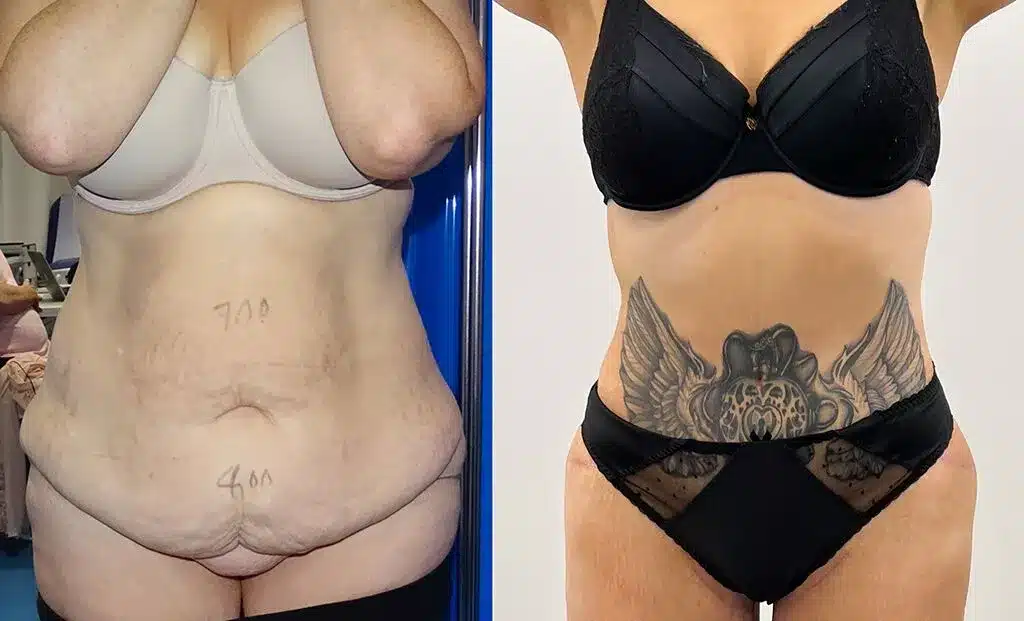
Incorporating liposuction into a tummy tuck can significantly enhance fat removal and improve overall shaping — contouring the middle and sides of the abdomen as well as the front. This combined approach is sometimes called a Brazilian tummy tuck or lipo-abdominoplasty, and it’s particularly useful in the upper pubic region, where excess fat is often stubborn and resistant to abdominoplasty alone.




Abdominoplasty with a Mons Lift

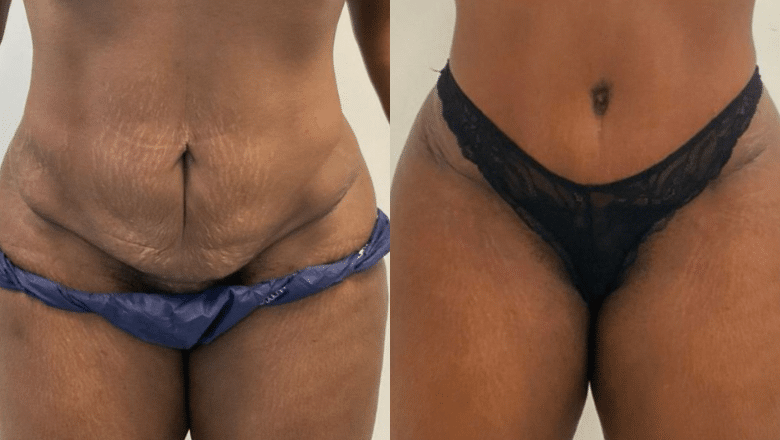
When planning an abdominoplasty, some patients consider adding a mons lift — a complementary procedure that reduces and reshapes a protruding mons pubis, sometimes called a FUPA (Fatty Upper Pubic Area).
It’s worth knowing that a tummy tuck, while effective in flattening the stomach, can inadvertently make an unaddressed mons pubis appear more prominent — as the abdominal skin tightens and excess tissue is removed, the mons can look relatively larger by contrast. This is why many patients choose to include a mons lift as part of the same surgical session, involving lifting, tightening, and sometimes liposuction of the mons pubis to create a smoother transition between the abdomen and pubic area.
Permanent Deep Muscle Repair
Deep-muscle repair is a crucial part of most tummy tuck procedures. This technique surgically reunites stretched or separated abdominal muscles — a condition called diastasis recti, commonly caused by pregnancy, significant weight change, or genetic factors.
No amount of exercise, including targeted core work, can fully correct this separation — the issue lies in the connective tissue between the muscles, which surgery repairs by reattaching the muscle edges with permanent sutures across both horizontal and vertical planes. Beyond the aesthetic improvement, this can meaningfully help with lower back pain, posture, and in some cases bladder control, since a repaired abdominal wall provides better core and pelvic support.
Belly Button Placement and Design
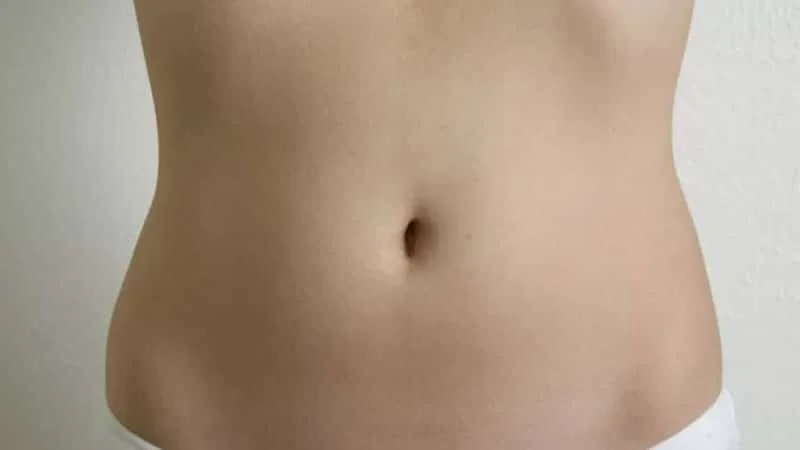
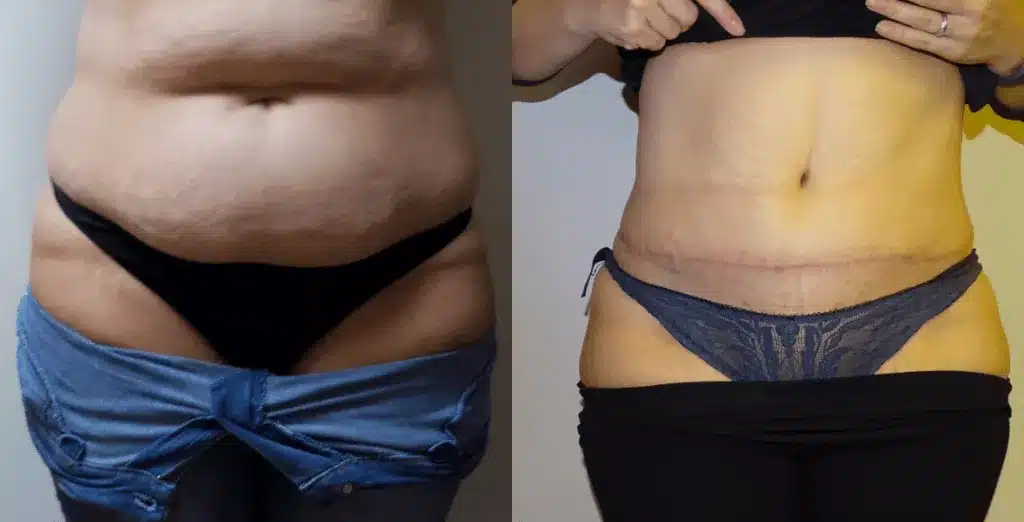
As excess tissue is removed and the skin is tightened, the belly button has to be carefully repositioned — otherwise it can end up displaced lower on the abdomen, disproportionately close to the mons pubis area.
Your surgeon preserves the original belly button rather than removing it, bringing it through a new opening in the tightened skin so it keeps its vascular connections and sensory nerves. The design itself matters too — surgeons often fashion a small hood of skin at the top of the navel to mimic the natural shadowing of a typical belly button, which is a small but genuinely important detail in how natural the final result looks.
Scar Placement
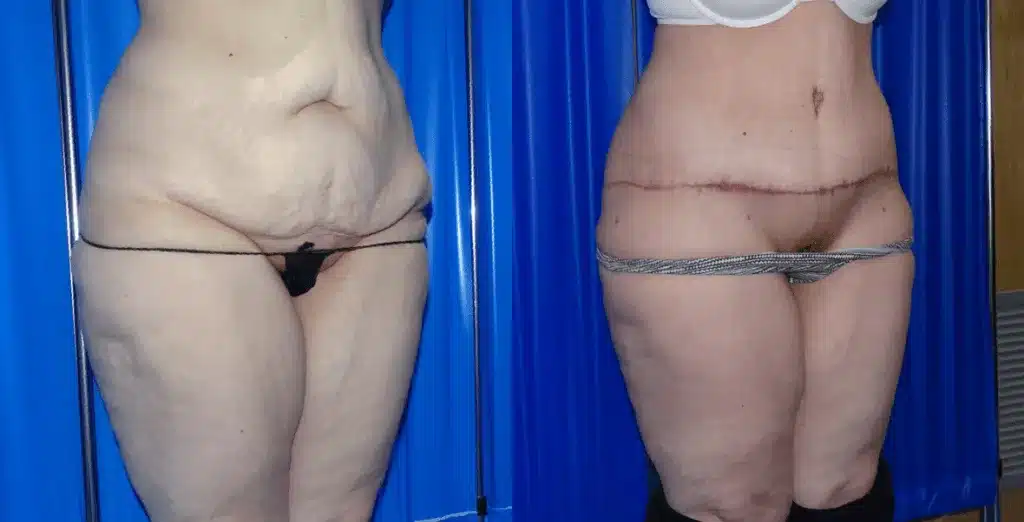
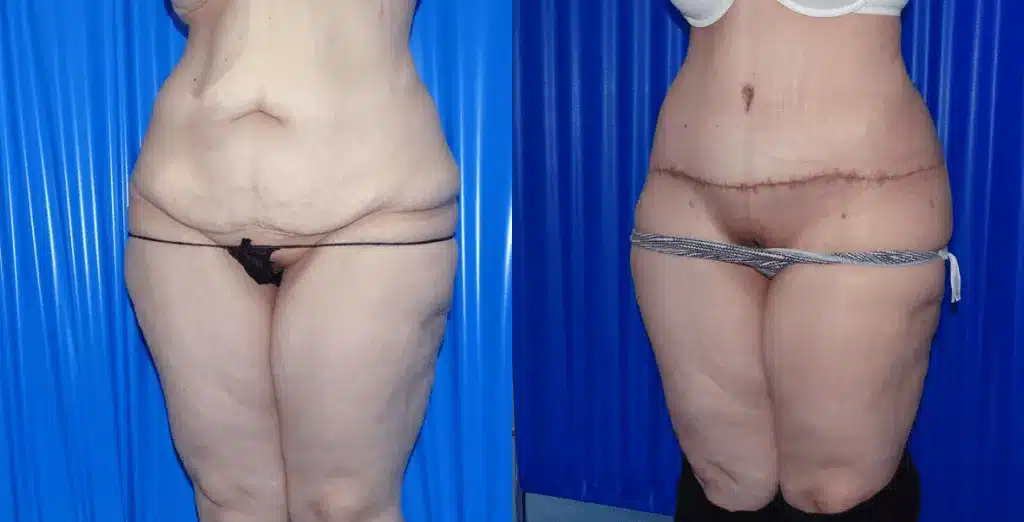
Most patients prefer their incision scar placed as low as possible, ideally beneath the underwear or swimwear line. Surgeons make every effort to position incisions accordingly, though individual anatomy — the amount of excess skin, skin elasticity, and overall body shape — determines exactly what’s achievable in your case. Your surgeon will discuss the realistic placement for your anatomy at consultation.
For full detail on scar types, healing timeline, and how to minimise a tummy tuck scar, see our dedicated guide.






Drain-Free Surgery
There’s a growing preference for performing tummy tucks without post-operative drains. Using techniques such as deep quilting sutures — which stitch the tissue layers together to minimise the space where fluid can accumulate — surgeons can often eliminate the need for drains while still achieving excellent results and reducing the risk of seroma (fluid collecting under the skin).
Drains are still sometimes necessary depending on the extent of tissue removal and your individual anatomy — your surgeon will explain if one is needed in your case and how to care for it.
Recovery and Early Movement
It’s normal to experience some pain, swelling and bruising in the initial post-operative period, and pain tolerance varies significantly between patients. Rest is important, but gentle movement — short, frequent walks around your home from the day after surgery — genuinely helps: it promotes healthy circulation, reduces swelling, and lowers the risk of blood clots such as DVT.
Avoid any strenuous activity for at least six weeks, and check with your surgeon before resuming your regular exercise routine — most patients are advised to wait around eight weeks before intense workouts or heavy lifting.
Why Choose Centre for Surgery
Our clinic on Baker Street in Marylebone is CQC-regulated and independently inspected. Our plastic surgeons specialise in tummy tuck procedures, both with and without muscle repair, and perform hundreds of these operations each year.
Finance Options
You can pay in full or spread the cost with finance through Chrysalis Finance, subject to status. Plans and a representative example are on our finance options page, and a patient coordinator can talk you through them on 020 7993 4849.
Learn More About Us
Visit our About Us page or meet our Team Members. Browse our Plastic Surgery Blog for more insights on recovery and procedures.
Booking a Consultation
Call us on 020 7993 4849 or email contact@centreforsurgery.com to schedule a consultation with one of our expert surgeons.
Frequently Asked Questions
Visit our Clinic FAQs for answers to common questions about tummy tuck surgery.

Related Articles
- Should I Add Liposuction to a Tummy Tuck?
- Tummy Tuck with Muscle Repair
- What Happens to the Belly Button in a Tummy Tuck?
- No-Drain Tummy Tuck: How It Works and Who It’s Right For
- How to Walk After A Tummy Tuck