

In this guide15 sections
- Key Points
- How Long Is Top Surgery Recovery?
- Top Surgery Recovery Timeline: Week by Week
- Double Incision vs Keyhole: How Technique Affects Recovery
- Drains, Compression Vest and Nipple Grafts
- Sleeping, Showering, Driving and Flying After Top Surgery
- When Can I Exercise After Top Surgery?
- Top Surgery Scars: Healing and Scar Care
- Preparing for Top Surgery
- Top Surgery Aftercare: Dos and Don’ts
- Emotional Wellbeing After Top Surgery
- When to Contact Your Surgeon After Top Surgery
- Top Surgery Recovery FAQs
- FTM Top Surgery in London
- References
Key Points
- How long is top surgery recovery? One to two weeks before most people return to desk work, six weeks before full exercise including upper body training, around three months for the chest contour to settle and 12–18 months for scars to mature.
- Does the technique change recovery? Yes. Double incision with free nipple grafts means protecting the grafts in the first weeks. Keyhole and periareolar techniques remove less skin, so the early recovery is often a little easier.
- How long do I wear the compression vest? Usually six weeks, day and night, removing it only to wash. Do not wear your old binder instead.
- When can I lift my arms and sleep on my side? Keep your arms below shoulder height and sleep on your back for at least the first two weeks. Your surgeon will tell you when side sleeping is safe.
- How long do nipple grafts take to heal? The graft dressings are checked at your first wound check. Grafts look dark and scabbed at first and take several months to settle, with the final colour clear at about a year.
- When can I fly after top surgery? Usually from around two weeks for short flights, and longer for long-haul travel. Confirm with your surgeon.
Top surgery recovery follows a clear pattern: rest and protection in the first two weeks, a steady return to normal life by six weeks, and months of quieter settling after that. After FTM top surgery (masculinising chest surgery), most people are back at desk work within one to two weeks and back to the gym, including chest and upper body training, from about six weeks. Your recovery depends mainly on the technique your surgeon recommends for your chest; our guide to your options for FTM top surgery explains each one.
This guide covers the top surgery recovery timeline week by week, drains, the compression vest, nipple grafts, sleeping, exercise, scars and the warning signs to look out for. To see how chests look once they have settled, browse our FTM top surgery before and after photos. If you are still choosing a route, our guide to NHS vs private FTM top surgery compares waiting times and pathways, and for advice that applies to every operation, see our recovery after cosmetic surgery hub.
How Long Is Top Surgery Recovery?
FTM top surgery recovery time has three milestones. Most people return to desk work within one to two weeks and drive again after one to two weeks, once they are off prescription painkillers. Exercise builds up gradually, with full exercise, lifting and upper body training from about six weeks. The chest contour is largely settled by around three months, while scars keep maturing for 12–18 months.
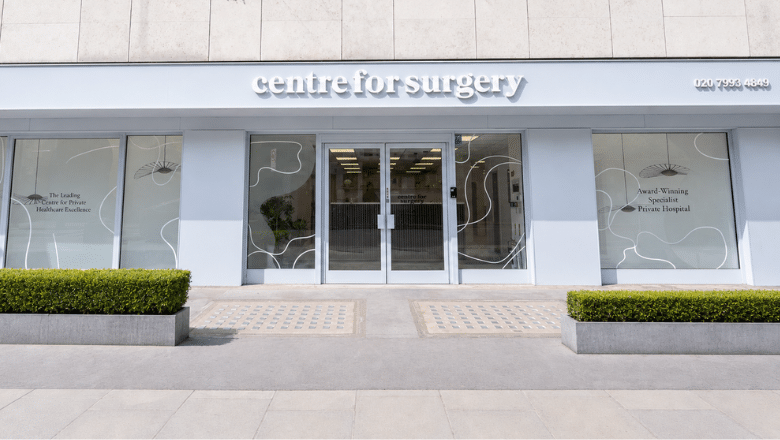
Top surgery at Centre for Surgery is a day case at our Baker Street hospital, usually under TIVA (total intravenous anaesthesia), although the anaesthetic is decided by your surgeon and anaesthetist; our guide to anaesthesia for cosmetic surgery explains how it works. You go home the same day with someone who can stay with you.
Your FTM top surgery recovery dates
Add your operation date to see the milestones in this guide as dates, then save them to your phone's calendar.
Top Surgery Recovery Timeline: Week by Week

Everyone heals at their own pace, and timings vary with the technique, your chest and your general health. Always follow your own surgeon’s instructions.
Day of surgery
You rest in our recovery suite until you are comfortable, eating and drinking, with your dressings and compression vest in place. A responsible adult must take you home and stay with you for at least 24 hours; the Royal College of Anaesthetists’ advice for the person looking after you ↗ explains what that involves. You are given your surgeon’s direct number for the first 24 hours on your discharge summary.
Week 1
Rest is the priority. Sleep and rest on your back, propped up at around 45 degrees. Expect tightness, soreness and swelling across the chest, controlled with the painkillers you are prescribed, and some numbness. Walk around the house several times a day to keep your circulation going. Keep your elbows close to your sides and your arms below shoulder height. If you have drains, you will be shown how to look after them, and they are removed once the fluid has slowed. You have follow-up reviews as you heal, and your discharge information gives the dates. At your first wound check, your dressings, including the dressings over any nipple grafts, are reviewed.
Weeks 2–3
Soreness eases and energy returns. Most people with desk jobs go back to work during this window, and many drive again once they are off prescription painkillers and can wear a seatbelt comfortably. Keep wearing your compression vest and keep to walking. From two weeks you can usually start lifting your arms above shoulder height gradually, if your surgeon agrees.
Weeks 4–5
Most daily activities are back to normal. Brisk walking is fine and helps your recovery. Ask your surgeon before using gym equipment such as a static bike, and still avoid lifting, pushing, pulling and upper body weights. Scars are pink and firm, and the chest may look swollen at the lower edge.
Week 6
At around six weeks most swelling and bruising has settled, the incisions have healed and most people can stop wearing the compression vest. You can usually return to full exercise, including upper body training, starting lighter than before surgery.
3–18 months
The chest contour settles by around three months. Sensation usually improves gradually over months, as tingling or itching in the healing skin. Nipple grafts go through colour changes before their final pigment is clear at about a year. Scars mature over 12–18 months, fading from pink to pale.
Double Incision vs Keyhole: How Technique Affects Recovery

Your chest size and skin elasticity decide which techniques are available to you, and each one recovers a little differently:
- Double incision top surgery with free nipple grafts. Two horizontal incisions along the lower chest remove tissue and excess skin, and the nipples are resized and placed as grafts. It suits a larger chest or looser skin. The longer incisions and the grafts mean a slightly more cautious first two weeks.
- Nipple-sparing double incision. The nipple stays attached to its blood supply rather than being grafted, so there are no graft dressings to protect, although it is not suitable for every chest.
- Keyhole top surgery. Tissue is removed through a small incision at the lower edge of the areola, with no skin removed. It suits a small chest with good skin elasticity and usually has the easiest early recovery.
- Periareolar top surgery. A ring of skin is removed around the areola. It sits between keyhole and double incision for both the amount of skin removed and the recovery.
Less skin removed is not always the better choice. In a 2023 systematic review and meta-analysis of 3,055 patients in the Journal of Plastic, Reconstructive and Aesthetic Surgery ↗, double incision with free nipple grafts had the lowest complication rate and periareolar techniques the highest, although people who had periareolar surgery reported higher satisfaction[1]. In a series of 295 patients, those in one middle chest grade who had a periareolar technique needed aesthetic revisions far more often than those who had free nipple grafts (34% compared with 8.8%)[2]. Your surgeon will recommend the technique that fits your chest and explain what it means for your recovery. Some non-binary people want a different chest shape; our non-binary surgery page explains the options.

Drains, Compression Vest and Nipple Grafts
Drains
Drains are used selectively, depending on the technique and your chest. If you have them, they are thin tubes that let fluid escape while the tissues settle, and they are removed at a follow-up appointment once the amount of fluid has dropped. Keep the bottles below the level of your chest and record the output if asked.
Compression vest
Your compression vest is worn day and night, usually for six weeks, removing it only to wash. It reduces swelling, helps the skin settle flat against the chest and lowers the risk of fluid collecting. Do not swap it for your old binder, which is designed to compress chest tissue and can put uneven pressure on healing skin. Compression garments and prescribed medications are bought separately, and we confirm what you need in advance.
Keeping pressure on the chest in the early hours matters. In a German series of 712 mastectomies, adding measures that included a compression bandage left undisturbed for the first 12 hours, alongside other steps during surgery, roughly halved the rate of haematomas (collections of blood) needing a return to theatre, from 9.2% to 4.1%[3].
Nipple grafts
After double incision with free nipple grafts, each graft is protected by a dressing for the first week or so and should be kept dry and undisturbed until your wound check. When the dressings come off, the grafts often look dark, crusted or patchy. This is normal: the top layer may peel away over the following weeks, revealing paler new skin underneath. Do not pick at the crusts. Grafts usually lose some colour, and sensation in grafted nipples is usually reduced or lost. Very occasionally a graft takes only partly and needs a small touch-up later.
Sleeping, Showering, Driving and Flying After Top Surgery
Sleeping after top surgery
Sleep on your back, propped up at around 45 degrees, for at least the first two weeks, and avoid sleeping on your side or front until your surgeon says it is safe. Pillows under your arms and a pillow behind your knees can help you stay in position.
Showering and bathing
Follow your surgeon’s advice on showering, which depends on your dressings. After free nipple grafts, most people keep the dressings dry and have a sponge wash until your first wound check. Avoid baths, swimming and saunas until the incisions have fully healed.
Driving
Do not drive for at least 24 hours after an anaesthetic. Most people drive again after one to two weeks, once they are off prescription painkillers and can turn the wheel and wear a seatbelt comfortably. Check your insurance policy, as some insurers set their own rules after surgery.
Flying after top surgery
Most people can take a short flight from around two weeks, and should wait longer before long-haul travel. Sitting still on a long journey raises the risk of a blood clot, so confirm timing with your surgeon if you plan to travel.
Going back to work
Most people return to desk work within one to two weeks. Jobs involving lifting, reaching or physical work usually need around six weeks.
When Can I Exercise After Top Surgery?
Walking is encouraged from the first day. After that, build up gradually:
- Weeks 1–2: walking only, with your arms below shoulder height.
- Weeks 3–5: brisk walking; ask your surgeon before any gym equipment such as a static bike. No running, lifting, pushing or pulling.
- Week 6 onwards: running, swimming once the incisions have healed, and upper body training, starting lighter than before surgery and building up over several weeks.
Stop if anything pulls on your scars or causes pain or new swelling. Our guide to exercising after cosmetic surgery explains how to return to training safely, and our guide on working out after top surgery covers chest training once you have healed.
Top Surgery Scars: Healing and Scar Care
Scars go through a predictable cycle. For the first few months they are pink or red and may feel firm or raised. Over 12–18 months they usually soften, flatten and fade, although how they settle varies with skin type and tension, and thickened scars can occur. Once the incisions have fully healed and your surgeon agrees, silicone gel or sheets and gentle massage can help. Keep scars out of the sun, with clothing or high-factor sunscreen, for at least three months, as UV light can darken them.
A small fold of skin at the outer end of a double incision scar, sometimes called a dog ear, is common in the early months and often flattens as swelling settles. If it remains after the chest has settled, it can usually be corrected with a minor revision, often under local anaesthetic. Most people wait until scars have matured, usually a year or more, before having a chest tattoo over them; ask your surgeon before you book.
Preparing for Top Surgery
Good preparation makes recovery easier. Our full guide on how to prepare for FTM chest surgery has a checklist, and the key points are:
- Stop smoking and nicotine for at least four weeks before and four weeks after surgery, because nicotine slows healing and increases the risk of wound and nipple graft problems.
- Review your medicines with your surgeon. Some medicines, including blood thinners, raise the risk of bleeding. Aspirin is usually stopped two weeks before surgery, but only on medical advice. Tell your surgeon about any hormones you take, and they will advise whether anything needs to change.
- Arrange help at home. A responsible adult must take you home and stay with you for at least 24 hours, and help with shopping, cooking and reaching things on high shelves makes the first week much easier.
- Get your space ready, with pillows to keep you propped up, loose front-opening tops and everything you use regularly at waist height.
- Allow time to decide. We recommend a two-week cooling-off period between your consultation and surgery.
Top Surgery Aftercare: Dos and Don’ts
Do
- Wear your compression vest as directed, day and night for about six weeks.
- Walk every day, gradually increasing the distance.
- Eat well, with protein, fruit, vegetables and plenty of water to support healing.
- Take your medication as prescribed, and check with your surgical team before taking anything else.
- Attend every follow-up appointment, including your wound check.
Don’t
- Lift your arms above shoulder height in the first two weeks, or lift anything heavy until your surgeon agrees.
- Wear your old binder in place of the compression vest.
- Pick at nipple graft crusts or soak the dressings.
- Smoke or vape nicotine for at least four weeks after surgery.
- Drink alcohol while taking prescribed painkillers or in the first week; our guide to alcohol after cosmetic surgery explains why.
Emotional Wellbeing After Top Surgery
Recovery is not only physical. Many people feel relief and euphoria when they first see a flatter chest, and it is also normal to feel low, impatient or anxious in the early weeks, while swelling, dressings and bruising hide the result. A prospective study that measured wellbeing before and six months after surgery found significant improvements in body image, psychosocial wellbeing and quality of life[4]. Lean on friends, family or peer groups, and talk to your GP or gender service if your mood is low. If you have questions about permanence, our guide to whether FTM top surgery can be reversed explains what is and is not possible.
When to Contact Your Surgeon After Top Surgery
Serious problems after top surgery are uncommon. In a 2026 cohort study of 100 patients in Plastic and Reconstructive Surgery Global Open ↗, 2% needed an immediate return to theatre for a haematoma, a seroma (a collection of fluid) was the most frequent complication at 9%, and 99% did not need readmission; most problems were minor and managed as an outpatient[5]. Contact your surgical team straight away if you have:
- sudden swelling, tightness or bruising on one side of the chest, which can be a sign of bleeding
- bleeding that soaks through dressings, or a sudden change in drain output
- a temperature, or spreading redness, heat, pus or a bad smell from an incision or nipple graft
- a soft, fluid-filled swelling that keeps getting bigger
- pain that is getting worse rather than better after the first few days
- a painful, swollen calf, or breathlessness (call 999 for chest pain or difficulty breathing); the NHS guidance on DVT ↗ explains the symptoms of a blood clot
For the first 24 hours, call your surgeon on the direct number on your discharge summary. After that, call the clinic on 020 7993 4849, 9am–6pm Monday to Saturday, and NHS 111 out of hours, or 999 in an emergency.
Top Surgery Recovery FAQs
How painful is top surgery recovery?
Most people describe tightness, soreness and a heavy feeling across the chest rather than sharp pain, worst in the first few days and well controlled with prescribed painkillers. Our guide to how much pain to expect after FTM top surgery covers this in detail.
When can I sleep on my side after top surgery?
Sleep on your back for at least the first two weeks. Many surgeons advise waiting longer, until the incisions have healed and any nipple grafts have settled, so check with your surgeon at your follow-up appointment.
How long does swelling last after top surgery?
Swelling peaks in the first two to three days and goes down a lot over the first six weeks. A small amount, often at the lower edge of the chest, can take around three months to settle fully.
Will I have feeling in my chest after top surgery?
Numbness across the chest is normal at first and usually improves over months. With free nipple grafts, nipple sensation is usually reduced or lost. With keyhole and periareolar techniques the nipple stays attached to its nerve supply, so some sensation is more often kept.
Is the NHS route to top surgery different from the private route?
The operation and recovery are similar. The NHS guidance on gender dysphoria and incongruence ↗ lists chest reconstruction, sometimes called top surgery, among the treatments available through gender services, although waiting times are long.
How is MTF top surgery recovery different?
MTF top surgery places breast implants rather than removing tissue, so the recovery focuses on the implants settling. Our MTF top surgery recovery guide covers that timeline.
FTM Top Surgery in London
FTM top surgery at Centre for Surgery is performed by GMC-registered surgeons at our CQC-regulated Baker Street hospital, rated Good overall by the CQC, for trans men and non-binary people. We offer double incision with free nipple grafts, nipple-sparing double incision, keyhole and periareolar top surgery, and your surgeon will recommend the technique that suits your chest. The consultant who assesses you at consultation is the consultant who performs your surgery, and you have follow-up reviews as you heal. Your initial consultation is £100, redeemable against the cost of surgery if you go ahead; our FTM top surgery cost guide explains what the price includes, and our FTM top surgery page explains the procedure in more detail.
Phone: 020 7993 4849 | Address: 95–97 Baker Street, Marylebone, London W1U 6RN
Contact us to schedule a consultation
References
- Zhu J, Wang E, Liu S, et al. Impact of surgical technique on outcome measures in chest masculinization: a systemic review and meta-analysis. Journal of Plastic, Reconstructive and Aesthetic Surgery 2023;87:109–116. doi:10.1016/j.bjps.2023.09.002
- Bluebond-Langner R, Berli JU, Sabino J, et al. Top surgery in transgender men: how far can you push the envelope? Plastic and Reconstructive Surgery 2017;139(4):873e–882e. doi:10.1097/PRS.0000000000003225
- Wolter A, Scholz T, Pluto N, et al. Subcutaneous mastectomy in female-to-male transsexuals: optimizing perioperative and operative management in 8 years clinical experience. Journal of Plastic, Reconstructive and Aesthetic Surgery 2018;71(3):344–352. doi:10.1016/j.bjps.2017.09.003
- Agarwal CA, Scheefer MF, Wright LN, et al. Quality of life improvement after chest wall masculinization in female-to-male transgender patients: a prospective study using the BREAST-Q and Body Uneasiness Test. Journal of Plastic, Reconstructive and Aesthetic Surgery 2018;71(5):651–657. doi:10.1016/j.bjps.2018.01.003
- Libondi K, Libondi G, Sobieszek KA, et al. Early and late surgical complications after gender-affirming mastectomy in predominantly young adults: a single-center cohort study. Plastic and Reconstructive Surgery Global Open 2026;14(8):e7995. doi:10.1097/GOX.0000000000007995