


In this guide18 sections
- Key Points
- How Long Is Otoplasty Recovery?
- How to Prepare for Otoplasty Recovery
- Otoplasty Recovery Timeline: Week by Week
- Otoplasty Recovery Day by Day: The First Week
- How Long Do I Wear a Headband After Otoplasty?
- Otoplasty Swelling, Bruising and Numbness
- Is Otoplasty Recovery Painful?
- Sleeping After Otoplasty
- Washing Your Hair, Glasses and Work After Otoplasty
- When Can I Exercise After Otoplasty?
- Does the Otoplasty Technique Affect Recovery?
- Otoplasty Scars
- Otoplasty Aftercare: Dos and Don’ts
- When to Contact Your Surgeon After Otoplasty
- Otoplasty Recovery FAQs
- Otoplasty in London
- References
Key Points
- How long is otoplasty recovery? About a week before most people return to work, six weeks for most of the healing, and two to three months before contact sports.
- How long do I wear a headband after otoplasty? A head bandage for the first week, then a headband day and night until about two weeks, then at night only until about four weeks.
- How long does swelling last? Most swelling settles in two to three weeks; a little residual swelling can take about six weeks to go.
- Is otoplasty recovery painful? Most people describe throbbing, tightness and soreness that peak on days 2–3 and are controlled with simple painkillers.
- How should I sleep after ear pinning? On your back with your head raised, without lying on your ears, for at least the first two weeks.
- When can I exercise? Walking from the first days, light exercise from about two weeks, swimming from four to six weeks and contact sports from around two to three months.
Otoplasty recovery is one of the quicker recoveries in facial surgery. Most adults are back at work about a week after ear pinning, when the head bandage comes off, and most of the healing is done by six weeks. The main job during otoplasty recovery is protecting the ears while the cartilage settles in its new position, which is why the headband, sleeping position and activity limits matter.
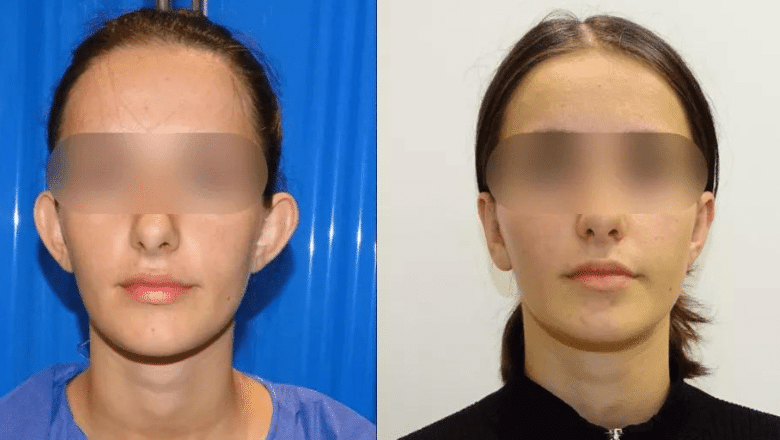
Otoplasty (also called pinnaplasty or ear pinning) is performed at Centre for Surgery for adults aged 18 and over, as a day case, usually under local anaesthetic with sedation; our guide to anaesthesia for cosmetic surgery explains the options. This guide covers the otoplasty recovery timeline day by day and week by week, the headband, swelling, sleeping, exercise and the warning signs to look out for. For advice that applies to every operation, see our recovery after cosmetic surgery hub, and to see how ears look once they have settled, browse our otoplasty before and after photos.
How Long Is Otoplasty Recovery?
Otoplasty recovery time has three milestones: back to work and seeing people at about one week, most healing complete and normal activity at about six weeks, and contact sports from around two to three months. Ear pinning recovery is quick because the operation is confined to the ear: the incision sits in the crease behind the ear, and the cartilage is reshaped and held with stitches.
The NHS guidance on ear correction surgery ↗ notes that ears can stay sore and tender for several weeks, that a headband is often worn at night for several weeks, that swimming is generally fine after four to six weeks and that contact sports can usually resume at around eight weeks. Some surgeons advise waiting up to three months before contact sports, so follow the advice you are given.
How to Prepare for Otoplasty Recovery
Good preparation makes ear pinning recovery smoother.
- Smoking: stop smoking and all nicotine products at least four weeks before and four weeks after surgery. Smokers have roughly twice the rate of delayed wound healing and more wound infections than non-smokers[1].
- Blood thinners: stop aspirin two weeks before surgery, and supplements such as fish oil and vitamin E as advised. Only stop prescribed medicines on medical advice.
- Getting home: arrange for a responsible adult to take you home and stay with you for 24 hours, as you cannot drive after sedation.
- At home: have extra pillows ready for sleeping on your back with your head raised, and set out button-up or zip tops so nothing has to be pulled over your head. Wash your hair the day before surgery.
Your otoplasty recovery dates
Add your operation date to see the milestones in this guide as dates, then save them to your phone's calendar.
Otoplasty Recovery Timeline: Week by Week

Timings vary with the technique and how your ears heal, so always follow your own surgeon’s instructions.
First 24 hours
You go home the same day from our CQC-regulated Baker Street hospital, with a padded bandage around your head covering both ears. Some grogginess after sedation is normal, and the Royal College of Anaesthetists’ advice for the person looking after you ↗ explains what your carer should look out for. You are given your surgeon’s direct number for the first 24 hours on your discharge summary.
First week
The head bandage stays on, clean and dry, all week. At about day 7 you return for your first review, when the bandage and any non-dissolvable stitches are removed, the ears are checked and you change to a headband. Most people return to work and everyday activities from this point.
Week 2
The headband is worn day and night. Swelling and bruising keep improving, and the ears may still look a little too close to the head or uneven; this usually settles.
Weeks 3–4
Most people move to wearing the headband at night only, to protect the ears from being folded forward in sleep. You can usually return to light exercise, keeping anything that risks a knock to the ears off limits.
Week 6
Most of the healing is done. Swelling has largely gone, the ears are close to their final shape and position, and most normal activities, including swimming, are possible.
2–3 months
Contact sports and activities with a real risk of a blow to the ears can usually resume. Any remaining numbness keeps improving, and the scar behind the ear continues to fade over the following months.
Otoplasty Recovery Day by Day: The First Week
- Day 1: rest at home with the bandage on. Some grogginess and mild discomfort, managed with the painkillers you are given.
- Days 2–3: discomfort usually peaks, with throbbing, tightness or a burning feeling behind the ears. It eases noticeably from day 3.
- Days 4–6: discomfort continues to settle. Keep the bandage dry and keep heat away from your head: no hairdryers or straighteners, because numb ears will not feel a burn.
- Day 7: first review. Bandage and stitches removed, wounds checked and your headband fitted.
How Long Do I Wear a Headband After Otoplasty?

The headband supports the ears while the cartilage sets into its new shape and protects them from knocks and from being bent forward during sleep. A typical schedule is:
- Week 1: the surgical head bandage, kept on until your review.
- Weeks 1–2: a headband day and night.
- Weeks 2–4: a headband at night only.
- From about week 4: usually no longer needed, once your surgeon confirms it.
Skipping the headband in the early weeks raises the chance of an ear being pushed out of position while the cartilage is still settling. It should hold the ears flat without pressing hard: a band that is too tight can damage the skin, and in one series of 100 mainly adult patients, one developed skin damage at the top of the ear after a dressing was applied too tightly[2]. Tell your team if the band causes pain or marks. Any suitable soft, purpose-made post-surgical headband will do; garments are bought separately, and we confirm what you need before surgery. Our guide on how long to wear a headband after otoplasty covers fit and comfort in more detail.
Otoplasty Swelling, Bruising and Numbness
Swelling is most noticeable straight after surgery and improves a great deal within three days to a week. Most has gone by two to three weeks, and the last of it can take about six weeks to settle. Bruising is usually mild and stays around the ears. In the first weeks the ears can look slightly too flat, uneven or redder than the rest of the face; this usually settles as swelling goes down.
Numbness or reduced feeling in parts of the ear is common. For some people it fades within a month; for others it can take several months, occasionally up to nine. Until feeling returns, protect your ears from heat and cold, as you may not notice a burn or frostbite.
Is Otoplasty Recovery Painful?
Most people find otoplasty recovery less painful than they expected. The usual sensations are throbbing, tightness, a mild burning feeling behind the ears and occasional sharp twinges, worst on days 2–3. Simple painkillers taken as directed are usually enough, and soreness to touch can linger for several weeks. In a 2017 systematic review of 3,493 otoplasty patients ↗, ongoing pain or itching was reported in about 13%, usually settling with time[3]. Pain that is severe, getting worse, or affecting one ear much more than the other should be checked straight away, because it can be a sign of bleeding under the skin.
Sleeping After Otoplasty
Sleep on your back with your head raised on two or three pillows for at least the first two weeks, and keep wearing your headband at night for as long as advised. Lying on your side presses on the healing ear and can bend it forward. Pillows placed either side of you, or a travel pillow, help stop you rolling over in your sleep. Most people can start sleeping on their side again after about four weeks, once their surgeon agrees. Our tips for sleeping after otoplasty cover positions and pillows.
Washing Your Hair, Glasses and Work After Otoplasty
Showering and washing your hair
Keep the head bandage dry for the first week; wash your body in a shallow bath or a shower that keeps your head out of the water. Once the bandage is off, you can usually wash your hair gently with a mild shampoo, letting the water run over the ears rather than rubbing them, and pat dry. Use a hairdryer on a cool setting only. Our guide on when you can shower after plastic surgery has more detail.
Glasses and earrings
Avoid glasses resting on the ears for the first two weeks if you can, as the arms press on healing tissue; contact lenses or glasses taped to the forehead are alternatives. Leave earrings out until your surgeon is happy with healing.
Going back to work
Most people return to desk work at about one week, after the bandage comes off; a headband can be worn under a hat or scarf if needed. Physical jobs, or work with any risk of a knock to the head, may need longer.
Driving and travel
Do not drive for at least 24 hours after sedation, and only drive once you can turn your head comfortably and are off painkillers that cause drowsiness. Short-haul flights are usually fine from one to two weeks; keep the headband on during travel. Our guide on how soon you can travel after cosmetic surgery explains the considerations.
When Can I Exercise After Otoplasty?

- Week 1: rest and short walks. Raised blood pressure from exertion can increase bleeding and swelling.
- Week 2: longer walks and gentle activity once your surgeon is happy with healing.
- Weeks 3–4: light exercise such as cycling on a static bike or the cross-trainer; avoid anything that risks a blow to the head, and wear the headband if advised.
- Weeks 4–6: swimming once the wounds have fully healed, and a gradual return to the gym.
- 2–3 months: contact sports and martial arts, rugby, football or anything with a real risk of a direct blow to the ears.
Our guide to exercising after cosmetic surgery explains how to build back up safely.
Does the Otoplasty Technique Affect Recovery?
Most otoplasty uses an incision behind the ear to reshape the cartilage, combining stitches that create the natural fold of the ear with scoring or reshaping of the cartilage, so recovery follows the timeline above. Incisionless techniques, which reshape cartilage with stitches placed through tiny punctures, can mean less swelling and no visible scar, but they suit only softer cartilage and milder corrections.
Technique matters more for how long the result lasts than for how quickly you recover. A 2026 systematic review of 22 studies of otoplasty techniques ↗ found that combining stitches with cartilage scoring or a tissue flap may be linked to lower rates of the ears moving back and of further surgery than single-technique approaches, although the authors called for better trials[4]. Your surgeon will recommend the approach that suits your ears at consultation.
Otoplasty Scars
The incision sits in the crease behind the ear, so the scar is rarely visible even close up. It is usually red or slightly raised for the first few weeks, then fades and flattens over six to twelve months. Once the wound has fully healed, gentle massage with a moisturiser or silicone gel can help soften it; check timing with your surgeon first. If you have had raised or keloid scars before, mention it at consultation, as the ear is a common site for them; our guide to ear keloids explains how they are treated, and our guide to otoplasty scars covers scar care in more detail.
Otoplasty Aftercare: Dos and Don’ts
Do
- Keep your head raised, especially in the first two weeks.
- Wear your bandage and headband exactly as directed.
- Wear front-fastening clothing so nothing is pulled over your ears.
- Apply any prescribed ointment to the wounds with clean hands.
- Attend your follow-up reviews, starting at about one week.
Don’t
- Touch, rub or fold your ears, or let anyone hug you cheek to cheek in the first weeks.
- Use heat near your head, such as hairdryers on hot settings or straighteners, while your ears are numb.
- Smoke, vape or use nicotine for four weeks after surgery.
- Drink alcohol in the first week or while taking strong painkillers.
- Return to strenuous or contact activity before your surgeon clears you, even if you feel ready.
When to Contact Your Surgeon After Otoplasty
Complications after otoplasty are uncommon. The 2017 review found bleeding or a haematoma (a collection of blood under the skin) in about 2.5% of patients and infection in under 1%[3], and a 2024 meta-analysis of cartilage-sparing otoplasty found further surgery for recurrence in about 4%[5]. A haematoma needs prompt treatment to protect the cartilage, so contact your surgical team straight away if you have:
- sudden, severe or one-sided pain, or pain that is getting worse rather than better
- bleeding that soaks through the bandage
- a temperature, or increasing redness, heat, swelling or discharge
- a bandage or headband that feels too tight, or an ear that looks very pale or dark
- a sudden change in the shape or position of an ear, for example after a knock
- a painful, swollen calf or breathlessness (call 999 for chest pain or difficulty breathing)
For the first 24 hours, call your surgeon on the direct number on your discharge summary. After that, call the clinic on 020 7993 4849, 9am–6pm Monday to Saturday, and NHS 111 out of hours, or 999 in an emergency. Our guide to cosmetic surgery risks explains which problems are expected and which are rare.
Otoplasty Recovery FAQs
Will my ears go back after otoplasty?
In most people the result is permanent. A small number see some of the correction relax, most often in the first weeks if the ear is knocked or the headband is left off, which is why early aftercare matters. Our guide on whether your ears will go back after otoplasty explains why it happens, and revision otoplasty can correct it.
How long will my ears feel numb after otoplasty?
It varies. Some people find numbness resolves within a month, while for others feeling takes several months to return, occasionally up to nine. Both are normal.
When can I wash my hair after otoplasty?
Keep the bandage dry for the first week. Once it is removed at your review, you can usually wash your hair gently with a mild shampoo, avoiding rubbing the ears.
Can I wear glasses or a face mask after otoplasty?
Try to avoid glasses resting on the ears for the first two weeks; contact lenses are a useful alternative. A face mask with ear loops presses on the back of the ear, so use one that ties behind the head, or check with your surgeon.
What do ears look like one week after otoplasty?
When the bandage comes off at a week, the ears are usually swollen, a little bruised and may look too close to the head or slightly uneven. This is normal and settles over the following weeks as swelling goes down.
Why do my ears look uneven after otoplasty?
In the early weeks, swelling is often different on each side, so the ears can look uneven. Small differences usually settle by six weeks. If an ear changes position suddenly, or the difference is still obvious after a few months, ask your surgeon to check.
Can I fly after otoplasty?
Short-haul flights are usually fine from one to two weeks, once the bandage is off; keep your headband on for the journey. Discuss longer flights with your surgeon.
What age can I have otoplasty at Centre for Surgery?
We perform otoplasty for adults aged 18 and over, once the ears have finished growing.
Can otoplasty be combined with other facial surgery?
Yes, sometimes. If it is combined with another procedure, such as rhinoplasty, recovery follows the longer of the two; our rhinoplasty recovery guide sets out that timeline.
Otoplasty in London
Otoplasty at Centre for Surgery is performed for adults aged 18 and over by GMC-registered surgeons at our CQC-regulated Baker Street hospital, rated Good overall by the CQC. The consultant who assesses you at consultation is the consultant who performs your surgery, and they will examine your ears, explain which technique suits them and what recovery will involve before you decide. You have follow-up reviews as you heal, starting with bandage removal at about one week. Your initial consultation is £100, redeemable against the cost of surgery if you go ahead; our otoplasty cost guide explains what the price includes.
Phone: 020 7993 4849 | Address: 95–97 Baker Street, Marylebone, London W1U 6RN
Contact us to schedule a consultation
References
- Sørensen LT. Wound healing and infection in surgery: the clinical impact of smoking and smoking cessation: a systematic review and meta-analysis. Archives of Surgery 2012;147(4):373–383. doi:10.1001/archsurg.2012.5
- de la Fuente A, Sordo G. Minimally invasive otoplasty: technical details and long-term results. Aesthetic Plastic Surgery 2012;36(1):77–82. doi:10.1007/s00266-011-9754-4
- Sadhra SS, Motahariasl S, Hardwicke JT. Complications after prominent ear correction: a systematic review of the literature. Journal of Plastic, Reconstructive and Aesthetic Surgery 2017;70(8):1083–1090. doi:10.1016/j.bjps.2017.05.033
- Thomson H, Gosden J, Mandal A. Otoplasty for prominent ear: a systematic review of surgical techniques. JPRAS Open 2026;49:221–233. doi:10.1016/j.jpra.2026.02.013
- Alanazi H. Complications of cartilage sparing otoplasty: a systematic review and meta-analysis. Journal of Craniofacial Surgery 2024;35(3):874–878. doi:10.1097/SCS.0000000000009976



