When you can walk, run, lift weights, swim and get back to the gym after cosmetic surgery, with a planner for your procedure and the signs that mean stop.
Walk a little and often from the first day: it keeps your circulation going and lowers the risk of blood clots.
Strenuous exercise, heavy lifting and the gym usually wait until four to six weeks, and longer after a tummy tuck.
Build up gradually: cardio and lower-body exercise come back first, the area that was operated on last.
Swimming waits until your wounds have fully healed.
Stop and call us if exercise brings on new swelling, pain or fluid from a wound; call 999 for chest pain or breathlessness.
When can I exercise after plastic surgery?
Most people can walk from the first day after cosmetic surgery, start gentle exercise within a few weeks and get back to the gym at around four to six weeks. Larger operations, such as a tummy tuck or a mummy makeover, take longer. When you can start depends on three things: the operation you had, how you are healing, and the kind of exercise. This guide covers each kind of exercise in turn, with a planner for your procedure further down. For everything else about the weeks after surgery, see recovery after cosmetic surgery, and for time off work by procedure, how long recovery takes.
The NHS gives the same message for any operation: try to move around as soon as possible, and ask your doctor which exercises you should be doing[1]. Every patient leaves our Baker Street hospital with written aftercare instructions, and those come first if anything here differs.
Video: when can I exercise after cosmetic surgery? (2 minutes 17 seconds)
In broad terms, getting back to exercise has four stages:
Week 1: short walks at home, a few minutes at a time, several times a day. Rest, but not bed rest.
Weeks 2 to 4: longer walks outdoors, and gentle cardio such as an exercise bike for some procedures, avoiding anything that works or stretches the treated area.
Weeks 4 to 6: light weights and more cardio for most procedures, still sparing the treated area.
From about week 6: a gradual return to full training once your surgeon is happy. After bigger or combined operations, full intensity can take a few months.
Walking after surgery: why the first week matters
Walking in the first days is not about fitness. It keeps blood moving through the veins in your legs, which lowers the risk of a blood clot (deep vein thrombosis, or DVT). A 2020 review in Clinics in Plastic Surgery ↗ notes that a tummy tuck carries one of the highest risks of blood clots of any cosmetic operation[2], and a review of 25 studies in Aesthetic Plastic Surgery ↗ found the risk is higher again when a tummy tuck is combined with liposuction, with operations all the way round the body, obesity and hormone replacement therapy each adding to it[3].
That is why every patient is assessed for clot risk before surgery and given advice on moving after it. Tell your surgeon if you take HRT or the combined contraceptive pill, or if you or a close relative has had a blood clot.
From the first day, get up and walk around your home for a few minutes every hour or two while you are awake.
Over weeks 2 to 4, build up to walks outside, adding a few minutes at a time until you can walk for around 20 to 30 minutes.
Walking should not make swelling, pain or breathlessness worse. If it does, slow down, rest and call us if it does not settle.
When can I go back to the gym after surgery?
For most people, strenuous exercise, heavy lifting and the gym wait until around four to six weeks after surgery, and longer after a tummy tuck, mummy makeover or other larger body surgery. Your surgeon usually confirms you are ready at your review around six weeks after surgery.
When you go back, start lighter and shorter than before and build up over a few weeks. Work the parts of your body that were not operated on first. In the early weeks, wear your compression garment or a supportive sports bra while you train, as your surgeon advises.
Why can’t you lift heavy things after surgery?
Lifting and straining raise the pressure in your abdomen and chest and pull on healing tissues. Too soon, that can cause bleeding, more swelling, a build-up of fluid (seroma) or strain on internal stitches. Your surgeon will give you a weight limit for the first weeks: after breast surgery it is often around 5 kg, and after a tummy tuck lighter still. Remember everyday lifting counts too, such as shopping bags, laundry baskets and children.
Running and cardio after surgery
Low-impact cardio comes back first: brisk walking, then an exercise bike or cross-trainer, usually somewhere between weeks 2 and 6 depending on your operation. Running, jumping and high-intensity interval training (HIIT) jolt the body more, so they usually wait until around six weeks, or a little earlier after some face surgery.
After face surgery, gentle cardio often returns at around two weeks after eyelid surgery and rhinoplasty, with jogging from around weeks 3 to 4 after rhinoplasty.
After breast surgery, lower-body cardio, such as an exercise bike on a light setting, can often start earlier than running. When you do run, wear a soft, supportive, non-wired sports bra.
After labiaplasty, cycling, spinning and horse riding wait longer than other cardio.
Lifting weights after surgery
Weights usually return in a set order: lower body first, then upper body, with the area that was operated on last. After breast surgery, gynaecomastia surgery or top surgery, that means chest exercises such as push-ups and bench presses come last, often from six to eight weeks once your surgeon is happy.
In most tummy tucks your surgeon also tightens the stomach muscles, stitching them back together down the middle (rectus plication). That repair needs time to heal before you load it, so crunches, sit-ups, planks and heavy lifting are the last things to come back, usually from around eight to twelve weeks and only once your surgeon has cleared you.
Yes. Liposuction removes fat cells permanently from the treated area, but the rest of the body can still gain fat. In a 2012 randomised trial ↗, women who had abdominal liposuction and did not exercise afterwards had 10% more fat around their internal organs (visceral fat) six months later, while women who followed a four-month exercise programme, starting two months after surgery, did not[7]. Read can fat come back after liposuction and exercise after liposuction for the timings.
Swimming after surgery
Swimming waits until your wounds have fully healed, because a pool, the sea or a hot tub can let infection into a wound that has not closed. For many operations that is around four to six weeks; your nurse will check before you go. Our guide to when baths and swimming are safe explains the wound side, and after liposuction see how long after lipo you can swim. Start with gentle lengths; after breast or chest surgery, strokes that stretch the chest and arms come later.
Yoga and Pilates after surgery
Gentle yoga and Pilates can return quite early after some operations, from around weeks 3 to 4 after a facelift or breast lift, but leave out anything that stretches, twists or presses on the treated area. After a tummy tuck, core-heavy Pilates waits with other core work. After a BBL, avoid seated poses and lying on your back until your surgeon says sitting is fine. Upside-down poses wait until swelling has settled after face surgery.
Return-to-exercise planner by procedure
Choose your procedure to see the usual earliest week for each kind of exercise, taken from our procedure recovery guides. These are starting points, not targets: build up gradually from there, and your surgeon will tell you what is right for you.
Return-to-exercise planner
The usual earliest week you can start each kind of exercise, building up gradually from there. Day 1 means short walks at home from the day after surgery.
A sudden increase in swelling, or swelling that does not settle overnight.
New or increasing pain, especially on one side.
Fluid leaking from a wound, or a wound edge that seems to be opening.
A fever, or a wound that is red, hot or smelly.
For the first 24 hours after surgery, call your surgeon on the direct number in your discharge summary. After that, our phone lines are open 9am to 6pm, Monday to Saturday, on 020 7993 4849. Outside those hours, call NHS 111.
Call 999 straight away for chest pain or sudden breathlessness. Calf pain or swelling in one leg needs urgent assessment the same day.
Patients who are fit before surgery often want to get straight back to training, and that energy helps. The trick is to channel it into walking in the first weeks, then build up steadily. A few weeks of patience protects a result you will have for years.
Dr Spyridon Vlachos, Specialist Plastic Surgeon and medical reviewer
Mittal P, Heuft T, Richter DF, Wiedner M. Venous thromboembolism (VTE) prophylaxis after abdominoplasty and liposuction: a review of the literature. Aesthetic Plast Surg. 2020;44(2):473–482. doi:10.1007/s00266-019-01576-2 ↗
Basile FV, Oliveira TS. Exercise after breast augmentation: a randomized controlled trial. Plast Reconstr Surg. 2022;149(1):18e–24e. doi:10.1097/PRS.0000000000008676 ↗
Tadiparthi S, Shokrollahi K, Doyle GS, Fahmy FS. Rectus sheath plication in abdominoplasty: assessment of its longevity and a review of the literature. J Plast Reconstr Aesthet Surg. 2012;65(3):328–332. doi:10.1016/j.bjps.2011.09.024 ↗
van Uchelen JH, Kon M, Werker PM. The long-term durability of plication of the anterior rectus sheath assessed by ultrasonography. Plast Reconstr Surg. 2001;107(6):1578–1584. doi:10.1097/00006534-200105000-00046 ↗
Benatti F, Solis M, Artioli G, et al. Liposuction induces a compensatory increase of visceral fat which is effectively counteracted by physical activity: a randomized trial. J Clin Endocrinol Metab. 2012;97(7):2388–2395. doi:10.1210/jc.2012-1012 ↗
Your return to exercise in four steps
1
Walk from day one
Short walks around your home every hour or two keep your circulation going and lower the risk of blood clots.
2
Build up gently
Over weeks 2 to 4, walk further outdoors and, for some procedures, add gentle cardio that spares the treated area.
3
Light training
From around weeks 4 to 6, most people add light weights and more cardio, working the treated area last.
4
Full training
Your surgeon usually confirms you can return to full training at your review around six weeks; build up over a few weeks.
What are some examples of active recovery exercises?
In the first weeks: short walks, ankle circles and pointing your feet while you rest, deep breathing, and gentle movement of the parts of your body that were not operated on. Later, an exercise bike or cross-trainer on a light setting, as your surgeon advises.
Why can't you lift over 10 pounds after surgery?
Lifting raises the pressure in your abdomen and chest and pulls on healing tissue, which can cause bleeding, swelling, fluid build-up or strain on internal stitches. Your surgeon will give you a limit for the first weeks: after breast surgery it is often around 5 kg (about 11 pounds), and after a tummy tuck lighter still.
Is it normal to gain weight after surgery?
Yes, for a few weeks. Swelling and fluid can push the scales up straight after surgery, even after liposuction, and the extra goes as you heal. Judge your result from about three months onwards, not the first weeks. Read can fat come back after liposuction.
What is the hardest abdominal surgery to recover from?
Of cosmetic operations, a tummy tuck with muscle repair, an extended tummy tuck and a mummy makeover usually take longest, because the stomach muscles need time to heal before you can bend, lift or train your core. Expect around two weeks off desk work and a few months before heavy lifting.
What are the hardest plastic surgeries to recover from?
Larger body operations, such as a tummy tuck, body lift, mummy makeover or BBL, usually take longest. Face and eyelid surgery tend to be quicker, although swelling after rhinoplasty can take a year to settle fully. How long recovery takes compares procedures.
How long after stomach surgery can you exercise?
After a tummy tuck, walking starts from the first day, gentle cardio and very light weights usually from around five to six weeks, and core work and heavy lifting from around eight to twelve weeks once your surgeon has cleared you.
Can I do squats after a BBL?
Not straight away. Exercises that load your buttocks, such as squats, lunges and hip thrusts, wait until your surgeon is happy, usually from around six to eight weeks, so the transferred fat can settle. Read when you can work out after a BBL.
When can I do push-ups after breast augmentation?
Push-ups, bench presses and other chest exercises come last, usually from around six to eight weeks once your surgeon has checked your healing. Lower-body exercise can usually start sooner.
Should I wear my compression garment while exercising?
Yes, in the early weeks, unless your surgeon tells you otherwise. After breast surgery, a soft, supportive, non-wired sports bra is the usual choice once you are back to exercise.
How do I prepare for my recovery before surgery?
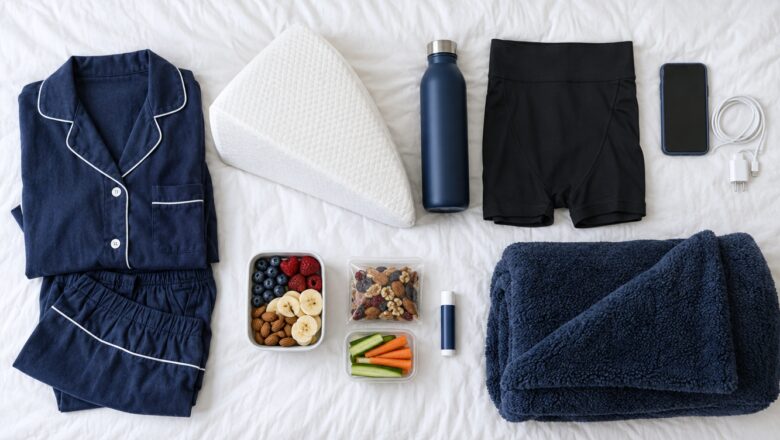
Plan time off, arrange help at home and get your recovery space ready before your operation. Our plastic surgery recovery tips include a printable recovery kit checklist.
It took me years and years and many consultations later to finally find the perfect place, and CFS was definitely that place for me. From my initial enquiry I felt completely comfortable. My patient coordinator Carla is one in a million.
GeriGoogle review · March 2026
“
I liked that my consultation was at the operating clinic and that I knew where I would be going for surgery, it took some of the fear away. […] I liked that my follow ups were with the same nurses that looked after me on the day of my procedure […]
Charlie G.Rhinoplasty · Google review · May 2024
“
When I had more questions later on, I was able to book another consultation without any issues, which gave me even more confidence that I was in the best hands.
Kat S.Google review · June 2026
“
The aftercare nurse that was working looked after me very well and made sure I wasn’t [in] any discomfort. They made sure my wife was ok upstairs as well, which was very important to me.
Jimi S.Gynecomastia surgery · Google review · February 2026
“
The nursing team at the Centre for Surgery provides an outstanding standard of care. From the pre-assessment to the post-operative follow-ups, they demonstrated absolute professionalism, clinical expertise, and deep knowledge.
Tiffany F.Google review · July 2026
“
Nikesh, the Senior Patient Coordinator, was approachable, knowledgeable and never made me feel pressured. […] Since then, the aftercare has been outstanding. The nursing team checked in with me every couple of days during my first week of recovery to see how I was healing, answer any questions and ensure everything was progressing as expected.
Delcina Y.Google review · July 2026
“
Ida carefully explained beforehand what the treatment would involve, the time it would take me to heal and what I could expect during my recovery. I appreciated the follow up from her to check on my progress.
David W.Laser skin treatment · Google review · June 2025
“
The nursing team, Patricia, Sowmya and Alejandra were very attentive and warm throughout my entire stay. I’ve had follow-up phone calls and I’ve also contacted them on a few occasions; I’m always treated to a high standard, and everything gets sorted promptly.
Deb S.Google review · May 2026
“
Having now experienced both the original procedure and the follow-up care, what has impressed me most is the standard of care throughout the entire process rather than just on the day of surgery.
Selected Google reviews, quoted word for word; […] marks where a review has been shortened. Individual experiences — results vary.
Patient Library
Planning and safety, explained
53 articles on choosing a clinic, anaesthesia and safety, written for patients and medically reviewed by Dr Spyridon Vlachos, Specialist Plastic Surgeon.
Signs of a blood clot after surgery, how long DVT and PE risk lasts, who is at higher risk after cosmetic surgery, and how to prevent clots in recovery.