



In this guide17 sections
- What Are Love Handles?
- What Causes Love Handles?
- Love Handles vs Muffin Top vs Back Fat vs Hip Fat: Which Is It?
- How to Get Rid of Love Handles: Every Option Compared
- Is It Fat, Loose Skin, or Both?
- Can I Have Love Handle Liposuction?
- Love Handles Liposuction for Men and Women
- Love Handles Liposuction Techniques (Flank Liposuction / Waist Lipo)
- Non-Surgical Love Handle Removal and Surgical Skin Tightening Options
- Combining Love Handle Liposuction with Other Areas
- How Is Love Handle Liposuction Performed?
- Recovery After Love Handle Liposuction
- How Much Does Love Handle Treatment Cost?
- Are the Results of Love Handles Liposuction Permanent?
- Why Choose Centre for Surgery for Love Handles Surgery?
- Frequently Asked Questions
- Learn More
Love handles — the pockets of fat that sit at the sides of the waist, above the hips — can be treated with liposuction, BodyTite or Argo Plasma where skin tightening is also needed, or a tummy tuck where skin laxity is significant. This guide covers exactly how to get rid of love handles — what actually causes them, every treatment option available at Centre for Surgery from lifestyle measures through to love handles liposuction and surgical love handle removal, how to choose between them, and honest, specific answers on cost, recovery and results.
Whether you’re weighing up love handles liposuction against non-surgical alternatives, wondering whether love handles surgery is genuinely worth it for your specific concern, or simply trying to understand why this area is so stubborn in the first place, this guide walks through every route honestly, rather than pushing you toward whichever treatment happens to be easiest to sell.
What Are Love Handles?
Love handles are the pockets of fat that sit at the sides of the waist, directly above the hips, becoming visible as a bulge above the waistband of trousers or jeans. Clinically, this area is known as the flanks — which is why you’ll sometimes see the same treatment referred to as flank liposuction rather than love handles liposuction; the two terms describe exactly the same anatomical area and the same procedure. They’re one of the most common areas people bring to a liposuction consultation, precisely because the area is so visible in everyday clothing and so resistant to change through diet and exercise alone.
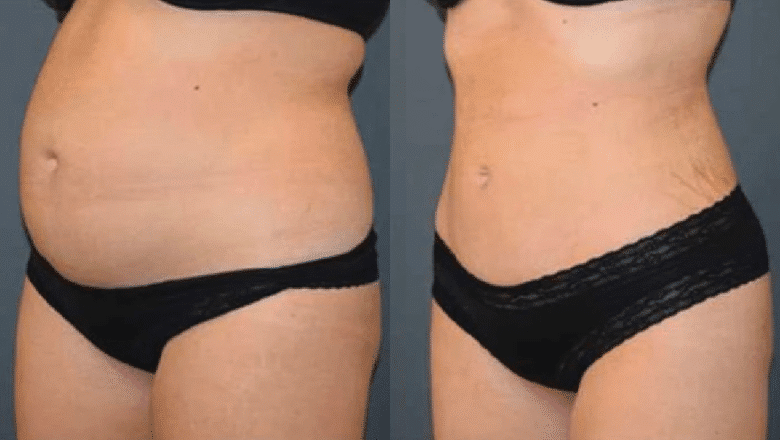
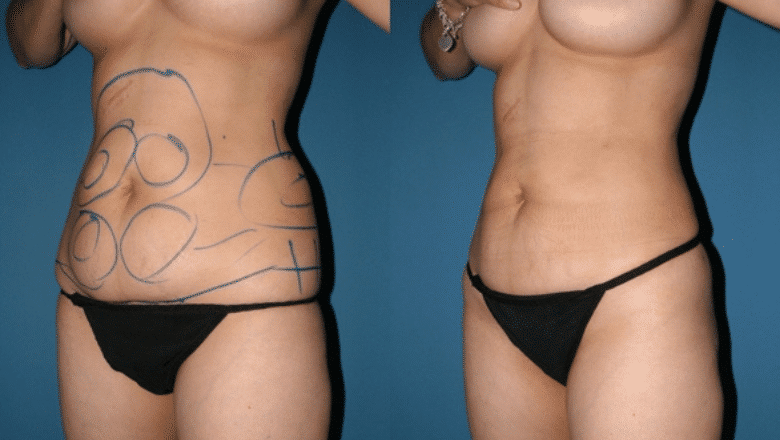
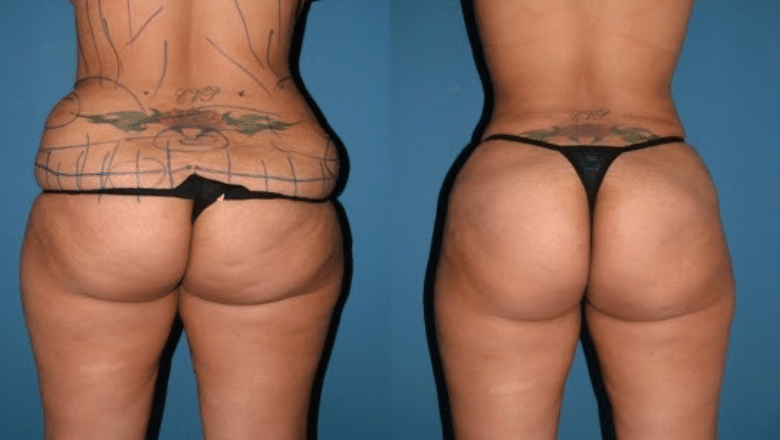
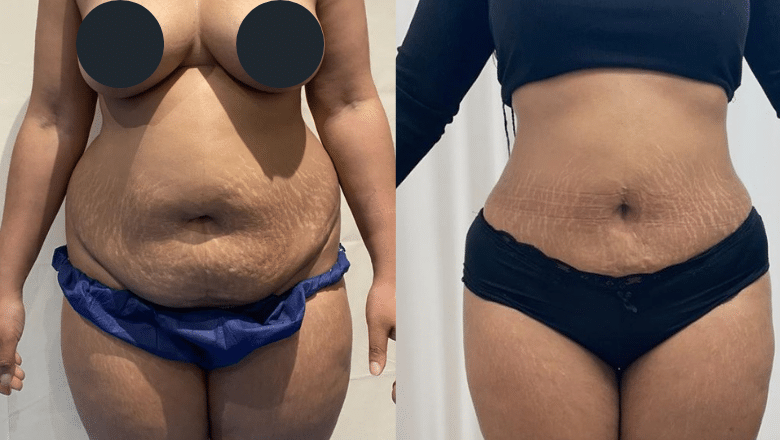
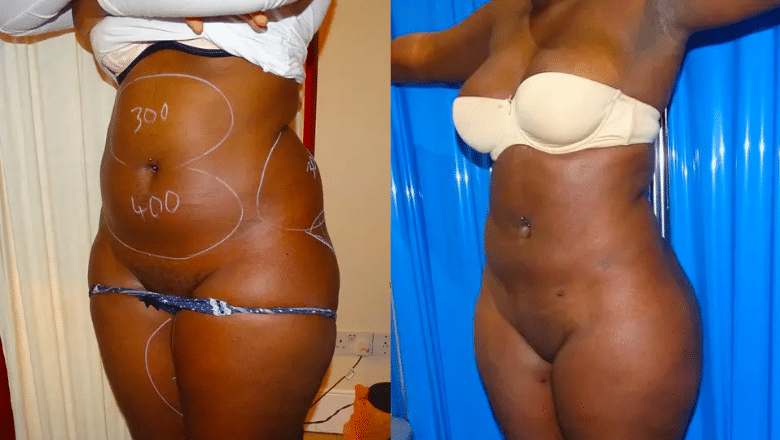
Love handles aren’t necessarily a sign of being significantly overweight — people at a healthy weight can still have prominent love handles, since fat distribution in this area is influenced heavily by genetics and hormones rather than overall body composition alone.
What Causes Love Handles?
- Genetics: where your body preferentially stores fat is substantially inherited — some people store proportionally more fat around the waist and hips than others, regardless of overall weight or fitness level.
- Diet and lifestyle: a diet high in calories combined with insufficient physical activity contributes to fat accumulation throughout the body, which in genetically predisposed people concentrates disproportionately at the waist.
- Hormones: hormonal changes — including those linked to menopause and pregnancy — can shift fat storage toward the waist and hips even without any change in diet or activity level.
- Ageing: basal metabolism declines with age, making it progressively easier to develop and retain fat in this area over time.
As with most localised fat deposits, love handles are notoriously resistant to diet and exercise — spot-reduction isn’t physiologically possible anywhere on the body, and the waist is a particularly stubborn example of this for many people.
Love Handles vs Muffin Top vs Back Fat vs Hip Fat: Which Is It?
Patients use these terms fairly interchangeably, but they describe different areas with different treatment approaches. Getting the terminology right at consultation helps your surgeon plan the correct treatment zone from the start.
| Concern | Where it sits | Usual treatment focus |
|---|---|---|
| Love handles | Sides of the waist, above the hips | Flank liposuction (this page) |
| Back fat / bra bulge | Across and above the bra line, upper-mid back | Back liposuction, sometimes combined with flanks |
| Hip fat / hip dips | Outer hip, below the waist and above the thigh | Hip liposuction or, where the concern is a visible inward curve rather than excess fat, hip dip filler or fat transfer |
| Abdominal fat | Front of the torso, above and below the navel | Abdominal liposuction, often combined with the flanks as part of 360 liposuction |
These areas frequently overlap in the same patient, which is exactly why 360 liposuction — treating the abdomen, flanks and back as one circumferential zone — is one of our most commonly combined approaches. Your surgeon examines all of the relevant areas at consultation rather than treating whichever one you happen to name first.
How to Get Rid of Love Handles: Every Option Compared
Since this is genuinely the question most people start with, it’s worth answering directly before diving into specific procedures. There are three broad routes to getting rid of love handles, and they’re not interchangeable — each addresses a different underlying scenario, and choosing the wrong one for your specific concern is the most common reason people end up disappointed.
Lifestyle measures (diet and exercise) can help reduce overall body fat, which may include some reduction at the waist as part of a broader change — but you cannot spot-reduce fat from one specific area of the body through exercise alone, however targeted the workout. Ab exercises, side planks, and oblique twists will strengthen and tone the underlying muscle, which can improve the appearance of the area, but they won’t meaningfully shrink a genetically stubborn fat pad sitting above that muscle. For many people, particularly those with a strong genetic predisposition to store fat at the waist, love handles persist even at a healthy weight and with a consistent exercise routine — this isn’t a failure of effort, it’s simply how fat distribution works physiologically.
Non-surgical love handle removal — energy-based treatments such as BodyTite and Argo Plasma, covered in full detail below — can reduce fat and tighten skin simultaneously through very small incisions, with less downtime than a formal surgical lift. These sit between lifestyle measures and full surgery: more effective than diet and exercise alone for a stubborn, well-defined fat pocket, but with more modest fat-reduction capacity than dedicated liposuction.
Surgical love handle removal — love handles liposuction, or where significant skin laxity is present, a tummy tuck — remains the most direct, most effective, and fastest route to a visible, lasting change, and is genuinely the only reliable option for people with a stubborn, well-defined fat deposit that hasn’t responded to sustained lifestyle effort. The sections below cover exactly how each surgical and non-surgical option works, who it suits, and what it costs.
Is It Fat, Loose Skin, or Both?

This question matters more than any specific technology or brand name, because fat and loose skin need genuinely different solutions. Liposuction removes fat; it doesn’t remove or meaningfully tighten skin. If your love handles are mainly fat with good skin elasticity, liposuction alone is often all you need. If skin laxity is also present — common with age or after weight loss — a treatment that addresses the skin as well, ranging from energy-based skin tightening through to surgical excision depending on severity, is more appropriate. Your surgeon assesses this properly at consultation; it isn’t something you can reliably judge yourself.
Can I Have Love Handle Liposuction?
You may be a suitable candidate for love handle liposuction if you:
- Have a stubborn layer of fat at the waist and hips that hasn’t responded to diet and exercise
- Are 18 years or older
- Have a BMI under 30 — above this threshold, surgical risk increases and weight loss is recommended first
- Are at a stable weight
- Are a non-smoker, or willing to stop smoking at least two weeks before surgery and throughout recovery
- Have realistic expectations — liposuction reshapes and contours the area; it isn’t a weight-loss method
A face-to-face consultation with one of our surgeons at our 95–97 Baker Street clinic will confirm whether you’re an appropriate candidate for love handles liposuction and, if so, which technique best suits your anatomy.
Who May Not Be a Good Candidate?
Love handle liposuction isn’t the right procedure for everyone who’s unhappy with this area, and an honest consultation should say so clearly where it applies. You may not be a good candidate if:
- Your main concern is loose, sagging skin rather than fat — liposuction won’t correct this, and a skin-tightening treatment or tummy tuck is more appropriate
- Your weight is still actively changing, up or down — surgery is best done once you’ve reached a stable weight
- You’re looking for a weight-loss method rather than body contouring — liposuction removes a defined volume of fat from a specific area and isn’t designed to produce significant overall weight loss
- You have a BMI over 30, unmanaged medical conditions, or other factors that raise surgical risk — your surgeon will discuss these individually
If any of the above applies to you, your surgeon will explain the more appropriate route at consultation rather than proceeding with a technique that won’t give you the result you’re looking for.
Love Handles Liposuction for Men and Women
Love handles affect both men and women, and the procedure itself doesn’t differ by gender — the reasons patients seek it, and sometimes the fat’s texture, can.
For women
Women most often seek love handle liposuction to improve waist definition and create a smoother transition between the waist and hips — a concern frequently raised alongside how clothing, particularly jeans, dresses and fitted tops, sits on the body.
For men
Men’s fat in this area tends to be denser and more fibrous than women’s, which is one reason VASER liposuction is frequently recommended for male flank treatment — the ultrasonic energy handles fibrous tissue more effectively than standard technique alone. Male patients often combine flank treatment with abdominal liposuction for a more defined waist-to-shoulder taper. The waist is one half of the shoulder-to-waist ratio, so flank liposuction is frequently the single change that produces a visible V-taper in men who have already trained — our guide to the V-taper body sets out what the ratio is, what sets its limits, and where surgery genuinely helps.
Love Handles Liposuction Techniques (Flank Liposuction / Waist Lipo)

Love handles are known clinically as the flanks, so you may also see this procedure referred to as flank liposuction rather than love handles liposuction — it’s the same treatment, addressing the same anatomical area, just a different name you might encounter depending on which clinic or surgeon you’re researching.
Liposuction
Liposuction is the most effective, most direct route to removing love handle fat where skin elasticity is good. Small incisions allow a fine cannula to remove fat with precise contouring, redistributing what remains for a smooth result. At Centre for Surgery, this is performed as a three-stage technique combining power-assisted liposuction (PAL), tumescent preparation and fat equalisation, which avoids the tell-tale rippling associated with older liposuction methods. Treating the flanks alone sits at the lower end of our liposuction pricing; combining with adjoining areas increases the total but is more cost-effective than staging separate procedures.
VASER Liposuction
VASER liposuction uses ultrasonic energy to emulsify fat before it’s removed, often preferred where the fat is denser or more fibrous — common at the waist and flanks. It can also produce a modest additional skin-tightening effect alongside fat removal. VASER is priced identically to standard liposuction for the same treatment area; your surgeon recommends the technique based on your tissue quality, not cost.
360 Liposuction
Where love handles are part of a wider pattern — fat extending around the full circumference of the torso rather than confined to the sides of the waist — 360 liposuction treats the abdomen, flanks and back in a single session. This produces a more complete, proportionate result for patients whose concern wraps around the body, and is one of our most commonly combined liposuction approaches. It covers several areas at once, so it costs more than treating the flanks alone, though considerably less than having each area done separately. Pricing depends on exactly which areas are combined and is confirmed at consultation.
Non-Surgical Love Handle Removal and Surgical Skin Tightening Options

Where fat removal alone won’t give you the result you want — because skin laxity is part of the picture — these options bridge the gap between straightforward love handles liposuction and full surgical love handle removal via a tummy tuck.
BodyTite
For patients with mild to moderate skin laxity alongside fat — where liposuction alone might leave the skin looser rather than tighter — BodyTite removes fat and tightens skin simultaneously through the same small incisions using radiofrequency energy. It fills the gap between standard liposuction, which doesn’t address skin quality, and a formal surgical lift, which involves a longer incision and longer recovery. Pricing depends on the size of the area treated — a small isolated area costs less than a large zone such as the abdomen and flanks together.
Argo Plasma Skin Tightening
Argo Plasma combines cold plasma energy with radiofrequency to tighten skin through small incisions, frequently combined with liposuction in the same session — fat is removed first, then Argo Plasma tightens the skin over the new contour. Like BodyTite, it’s a genuinely useful middle option for mild to moderate laxity, but isn’t a substitute for surgical skin removal where laxity is significant. It is typically the least expensive of the treatments covered on this page when performed alone.
Tummy Tuck
Where skin laxity is significant — most often following major weight loss or multiple pregnancies — a tummy tuck (abdominoplasty) surgically removes the excess skin that energy-based treatments won’t fully resolve. Often liposuction alone leaves residual skin laxity in this scenario; effective skin tightening combined with fat reduction can only be reliably achieved with a tummy tuck. A mini tummy tuck addresses more limited lower-abdominal skin excess through a shorter incision and faster recovery, and costs less than a full abdominoplasty. A full tummy tuck addresses the whole abdomen and flanks where laxity is more extensive, repairs separated abdominal muscles where present, and includes liposuction of the abdomen and flanks where your surgeon recommends it. See also: liposuction vs tummy tuck — what’s the difference? and can I combine liposuction with a tummy tuck?
Combining Love Handle Liposuction with Other Areas
Treating the flanks in isolation can leave a waistline that looks incomplete — which is why combining love handle liposuction with adjoining areas is genuinely common rather than an upsell. Frequent combinations include:
- Abdomen and flanks — treating the front and sides together for full waist definition, rather than leaving an untreated abdomen alongside newly contoured flanks
- Flanks and lower back — addresses the waistline from behind as well as the sides, avoiding an uneven result when viewed from different angles
- 360 liposuction — abdomen, flanks and back treated as a single circumferential zone in one session, our most complete option for a fully proportionate result
- Flanks and a Brazilian Butt Lift — fat harvested from the flanks during liposuction can be processed and transferred to the buttocks rather than discarded, achieving two goals from one procedure
Combining areas in one session means one anaesthetic and one recovery period, which most patients find considerably more manageable than staging separate procedures — though your surgeon will only recommend combining where it’s genuinely appropriate for your anatomy and health.
How Is Love Handle Liposuction Performed?
Love handle liposuction can be performed under local anaesthetic, meaning you’re awake throughout without pain or discomfort, or under TIVA for patients who prefer to be asleep — TIVA is delivered entirely intravenously without inhaled anaesthetic gases, allowing a faster, smoother recovery than a traditional general anaesthetic. Either way, it’s performed as a day case at our CQC-regulated Baker Street facility, and you go home the same day once the anaesthetic has worn off.
The treatment area is first infiltrated with a tumescent solution combining local anaesthetic and a vasoconstrictor, which firms the tissue, reduces bleeding, and minimises bruising and swelling. Small incisions then allow a fine cannula to remove fat with precise contouring, preserving the surrounding stromal network and blood vessels to avoid rippling or asymmetry, before the remaining fat is redistributed for a smooth, natural-looking result. Where BodyTite or Argo Plasma is combined, the same incisions allow a probe to deliver energy that tightens the skin above the treated area.
Recovery After Love Handle Liposuction
Some bruising, swelling and mild discomfort are normal following liposuction, managed with standard pain relief where needed. A compression garment is worn around the waist to support healing, reduce swelling, and help the skin settle evenly over the new contour. Strenuous exercise, including heavy lifting, should be avoided for at least four weeks; most patients can resume light activity well before this point. Recovery from BodyTite or Argo Plasma alone is typically quicker than liposuction combined with a surgical lift; a tummy tuck involves a longer recovery given the more extensive nature of the surgery. Your surgeon will confirm a specific timeline for your procedure at your follow-up review.
How Much Does Love Handle Treatment Cost?
The cost of treating love handles depends entirely on which route is clinically appropriate for you, and that isn’t something that can be determined without an examination. The main variables are:
- Which treatment: energy-based skin tightening alone sits at the lower end, liposuction of a single area in the middle, and surgical skin removal via a tummy tuck at the upper end
- How many areas: treating the flanks alone costs considerably less than 360 liposuction covering the abdomen, flanks and back — though combining is more economical than staging each area separately
- Whether skin tightening is combined: adding BodyTite or Argo Plasma alongside liposuction increases the total
- Extent of the tummy tuck, where indicated: a mini tummy tuck addressing limited lower-abdominal laxity costs less than a full abdominoplasty with muscle repair
For indicative price ranges across every liposuction area and technique, see our full liposuction cost guide, or call 020 7993 4849 to talk it through with a patient coordinator.
All packages include your surgeon’s fee, anaesthesia, theatre time at our CQC-regulated Baker Street facility, dissolvable sutures, your surgeon’s direct number for the first 24 hours, a wound check, and your follow-up review. A compression garment is purchased separately ahead of your surgery date. Finance is available through Chrysalis Finance, subject to status. Your initial consultation is £100, redeemable against the cost of your procedure if you proceed. Love handle treatment is a cosmetic procedure and isn’t available on the NHS or covered by private medical insurance.
Are the Results of Love Handles Liposuction Permanent?
Surgical fat removal — liposuction or the fat-removal component of BodyTite — is effectively permanent provided your weight remains stable afterwards; fat cells removed don’t return. Natural ageing continues, and significant future weight gain can still add new fat to the area or elsewhere on the body. Skin removed during a tummy tuck doesn’t grow back, though ageing continues to affect skin quality over time. Argo Plasma’s tightening effect is more gradual and, while long-lasting, isn’t equivalent to surgical skin removal where laxity is significant. As with all body-contouring procedures, the best long-term results are achieved when treatment is combined with a stable, healthy lifestyle afterwards.
Why Choose Centre for Surgery for Love Handles Surgery?
Whichever technique is right for your anatomy, it’s performed by a GMC-registered plastic surgeon at our purpose-built, CQC-regulated private hospital on Baker Street, rated Good overall. We offer the full range of relevant techniques — liposuction, VASER, 360 liposuction, BodyTite, Argo Plasma and tummy tuck — so your surgeon recommends the approach that genuinely fits your anatomy and goals, rather than defaulting to a single default procedure.
Every package includes unlimited pre-operative consultations, a recommended two-week cooling-off period, full pre-operative medical assessment, a dedicated patient coordinator throughout, and full aftercare through your follow-up reviews.
Verified Patient Reviews
We invite you to read what our patients say on independent, verified review platforms — Google Reviews, or on our own patient reviews page, which brings together verified reviews from Google and Trustpilot.
Book Your Consultation
Phone: 020 7993 4849
Email: contact@centreforsurgery.com
Address: 95–97 Baker Street, Marylebone, London W1U 6RN
Contact us to schedule your consultation
Your initial in-person consultation is £100, redeemable against the cost of surgery if you proceed.
Frequently Asked Questions
How do you get rid of love handles?
Lifestyle measures (diet and exercise) can support overall fat loss but can’t spot-reduce this specific area. Non-surgical options like BodyTite and Argo Plasma offer a middle route for mild concerns. For a stubborn, well-defined fat deposit, love handles liposuction is the most direct and effective solution, with a tummy tuck reserved for cases where skin laxity is also significant.
What causes love handles?
Genetics, diet, hormones and ageing are the main drivers. Fat distribution around the waist is largely outside your direct control, which is why the area is notoriously resistant to diet and exercise even for people at a healthy weight.
Are love handles the same as a muffin top, back fat or hip fat?
No — love handles sit at the sides of the waist, back fat sits across and above the bra line, and hip fat sits lower, over the outer hip. Treatment of this area is also described as flank lipo or waist lipo — both refer to the same procedure. A muffin top is closely related but slightly different again: it describes the roll that spills over the waistband of clothing, usually involving the front and sides of the waist rather than the flanks alone, and often with a loose skin component as well as fat. They’re often treated together, but your surgeon assesses each area separately since the right technique can differ.
Is liposuction or a tummy tuck better for love handles?
It depends on whether your love handles are mainly fat or involve significant loose skin. Liposuction alone suits fat with good skin elasticity. Where skin laxity is significant — often after major weight loss — a tummy tuck is the more effective route, since liposuction alone typically leaves residual skin laxity in that scenario.
What’s the fastest way to get rid of love handles?
Lifestyle changes can take months or years to meaningfully reduce love handles, and may not fully resolve genetically stubborn fat even then. Surgical liposuction is the fastest way to achieve a visible, lasting change, with results apparent once swelling has settled.
Can exercise get rid of love handles?
Exercise supports overall fitness and can tone the underlying muscle, but it can’t spot-reduce fat from one area of the body. Diet and exercise are worth pursuing for overall health, but persistent love handles despite genuine effort are a common, legitimate reason to consider treatment.
Is love handles surgery worth it?
For patients with a genetically stubborn fat deposit that hasn’t responded to sustained diet and exercise, love handles surgery is genuinely the most reliable route to a lasting, visible change — a single procedure rather than an ongoing, often disappointing effort with non-surgical methods alone. Whether it’s “worth it” for you specifically depends on your goals and expectations, which your surgeon will discuss honestly at consultation.
How much does love handle liposuction cost?
Pricing depends on whether the flanks are treated alone or combined with adjoining areas, and whether skin tightening is added alongside fat removal. Our liposuction cost guide sets out indicative ranges across all areas and techniques, and you’ll receive an itemised written quote after your consultation with no obligation to proceed.
What’s the difference between love handles liposuction and flank liposuction?
Nothing clinically — they’re the same procedure. “Flanks” is the medical term for the area commonly called love handles, so you’ll see both terms used interchangeably by different clinics and surgeons for identical treatment.
Is love handle liposuction painful?
No — the procedure is performed under local anaesthetic or TIVA, so you won’t feel anything during surgery. Post-operative discomfort is generally mild and managed with standard pain relief.
Will liposuction leave loose skin?
Liposuction removes fat, not skin. Where skin elasticity is good, the skin retracts naturally over the new contour. Where skin laxity is already significant, liposuction alone may leave loose skin behind — your surgeon will advise honestly at consultation whether BodyTite, Argo Plasma, or a tummy tuck would serve you better.
Learn More
- Liposuction
- How Much Does Liposuction Cost in London?
- Liposuction Before & After Photos
- Liposuction Recovery and Aftercare
- VASER liposuction
- BodyTite
- Argo Plasma skin tightening
- Tummy tuck
- Mini tummy tuck
- Liposuction vs tummy tuck
- Can I combine liposuction with a tummy tuck?
- Common liposuction areas
- How to get rid of hip dips
- Liposuction FAQs







